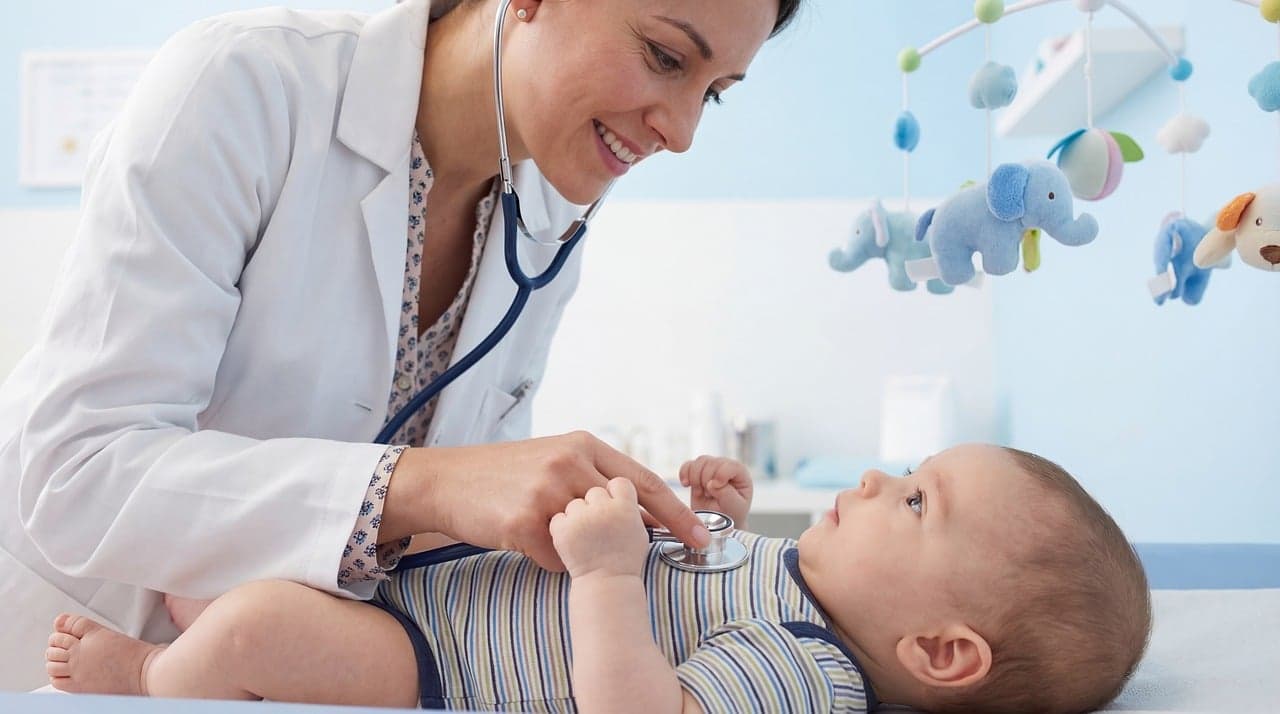
US-backed hepatitis B vaccine trial in African newborns halted after Guinea-Bissau withholds approval
WORLD · SECURITY

US-backed hepatitis B vaccine trial in African newborns halted after Guinea-Bissau withholds approval

A US-backed hepatitis B vaccine trial in newborns has been halted, with lead researcher Frederik Schaltz-Buchholzer saying the study will not move forward in Guinea-Bissau because the team received no governmental approval.

By LiveDigestPublished Wednesday, October 21, 2026 · 19:11 GMT | 4 min read

US-backed hepatitis B vaccine trial in African newborns halted after Guinea-Bissau withholds approval

01 / SECURITY

Approval denied, vaccines seized

The US-backed hepatitis B vaccine trial in newborns drew global backlash and has now been halted, its lead researcher said on Wednesday. Frederik Schaltz-Buchholzer, a Danish researcher, wrote on LinkedIn that the study will not move forward in Guinea-Bissau because the team was not given governmental approval.

The government's opposition was not new. Health minister Quinhin Nantote had previously denied the project would go ahead, telling the Guardian in Portuguese last week: "This is not even remotely true."

The escalation went further than words. On Monday, authorities searched the offices of the Bandim Health Project and apprehended the researchers' vaccines, taking control of them.

02 / SECURITY

Funding and research design

The study was to be funded with $1.6 million from the US Centers for Disease Control and Prevention (CDC), along with another $1.6 million from private partners including the Pershing Square Foundation, backed by Bill Ackman, and the Bluebell Foundation.

The Danish team, led by Schaltz-Buchholzer together with Christine Stabell Benn and Peter Aaby, worked from a specific hypothesis:

  • Live vaccines such as BCG may lower overall mortality in children.
  • Adding the hepatitis B vaccine alongside such a vaccine could dampen that effect.
  • The trial would also have examined side-effects such as skin conditions and neurodevelopmental conditions; dozens of studies have shown no link between vaccination and autism.
03 / SECURITY

Ethics and scientific criticism

Paul Offit, a vaccines expert at the Children's Hospital of Philadelphia, sharply criticized the study as unethical. "The solution is clear here: take the money and vaccinate as many kids as you can," he said. He called the hypothesis fanciful, because the hepatitis B vaccine is a single protein among billions the immune system encounters daily. "There's no evidence for that, and it doesn't make biological sense," he continued.

Offit also stressed the very clear benefit of giving the vaccine to babies as soon as possible, given high hepatitis B rates in Guinea-Bissau and the risk of lifelong illness and death. Noting that the vaccine has been given as a birth dose, or not, to hundreds of millions of children worldwide, he argued the study implied something worth studying for which there is no evidence. "We eliminated hepatitis B in the United States in children virtually within years of starting that program," he said.

Informed consent was a separate concern. Experts say true consent was impossible because mothers who declined the trial would have had no chance of receiving the vaccine at all. Danish researcher Henrik Støvring, who has co-published work questioning earlier Bandim research, put the arithmetic bluntly: a mother who joins gets a 50% chance of the vaccine, but 0% if she stays out - which he said makes consent coercive.

04 / SECURITY

Researcher response and next steps

Schaltz-Buchholzer defended the work in his written response. He said the proposed trial led to distrust among Bissau-Guineans, who wondered whether the vaccine was being tested on Africans because it was dangerous; he maintained that neither birth schedule is dangerous to anyone. He cast doubt on the birth dose's safety and effectiveness, saying the study was canceled because it challenges "prevailing medical assumptions, such as that HBV0 does not have non-specific effects".

WHO, meanwhile, restated its own position through spokesperson Tarik Jašarević: "WHO recommends that all infants receive a first dose of the hepatitis B vaccine as soon as possible after birth," preferably within 24 hours, followed by at least two more doses. Jašarević said WHO remains committed to working with national authorities, researchers and partners so that all newborns, in Guinea-Bissau and worldwide, receive timely evidence-based protection.

Questions remain open. The Danish researchers and the CDC did not respond by press time to questions about the study, or about whether the funding would be redirected to rolling out the vaccine to all newborns. Guinea-Bissau currently plans to offer the universal birth dose in 2028.

Continue reading

More from World.

US-backed hepatitis B vaccine trial in African newborns halted after Guinea-Bissau withholds approval
WORLD · SECURITY

US-backed hepatitis B vaccine trial in African newborns halted after Guinea-Bissau withholds approval

A US-backed hepatitis B vaccine trial in newborns has been halted, with lead researcher Frederik Schaltz-Buchholzer saying the study will not move forward in Guinea-Bissau because the team received no governmental approval.

By LiveDigestPublished Wednesday, October 21, 2026 · 19:11 GMT | 4 min read

US-backed hepatitis B vaccine trial in African newborns halted after Guinea-Bissau withholds approval

01 / SECURITY

Approval denied, vaccines seized

The US-backed hepatitis B vaccine trial in newborns drew global backlash and has now been halted, its lead researcher said on Wednesday. Frederik Schaltz-Buchholzer, a Danish researcher, wrote on LinkedIn that the study will not move forward in Guinea-Bissau because the team was not given governmental approval.

The government's opposition was not new. Health minister Quinhin Nantote had previously denied the project would go ahead, telling the Guardian in Portuguese last week: "This is not even remotely true."

The escalation went further than words. On Monday, authorities searched the offices of the Bandim Health Project and apprehended the researchers' vaccines, taking control of them.

02 / SECURITY

Funding and research design

The study was to be funded with $1.6 million from the US Centers for Disease Control and Prevention (CDC), along with another $1.6 million from private partners including the Pershing Square Foundation, backed by Bill Ackman, and the Bluebell Foundation.

The Danish team, led by Schaltz-Buchholzer together with Christine Stabell Benn and Peter Aaby, worked from a specific hypothesis:

  • Live vaccines such as BCG may lower overall mortality in children.
  • Adding the hepatitis B vaccine alongside such a vaccine could dampen that effect.
  • The trial would also have examined side-effects such as skin conditions and neurodevelopmental conditions; dozens of studies have shown no link between vaccination and autism.
03 / SECURITY

Ethics and scientific criticism

Paul Offit, a vaccines expert at the Children's Hospital of Philadelphia, sharply criticized the study as unethical. "The solution is clear here: take the money and vaccinate as many kids as you can," he said. He called the hypothesis fanciful, because the hepatitis B vaccine is a single protein among billions the immune system encounters daily. "There's no evidence for that, and it doesn't make biological sense," he continued.

Offit also stressed the very clear benefit of giving the vaccine to babies as soon as possible, given high hepatitis B rates in Guinea-Bissau and the risk of lifelong illness and death. Noting that the vaccine has been given as a birth dose, or not, to hundreds of millions of children worldwide, he argued the study implied something worth studying for which there is no evidence. "We eliminated hepatitis B in the United States in children virtually within years of starting that program," he said.

Informed consent was a separate concern. Experts say true consent was impossible because mothers who declined the trial would have had no chance of receiving the vaccine at all. Danish researcher Henrik Støvring, who has co-published work questioning earlier Bandim research, put the arithmetic bluntly: a mother who joins gets a 50% chance of the vaccine, but 0% if she stays out - which he said makes consent coercive.

04 / SECURITY

Researcher response and next steps

Schaltz-Buchholzer defended the work in his written response. He said the proposed trial led to distrust among Bissau-Guineans, who wondered whether the vaccine was being tested on Africans because it was dangerous; he maintained that neither birth schedule is dangerous to anyone. He cast doubt on the birth dose's safety and effectiveness, saying the study was canceled because it challenges "prevailing medical assumptions, such as that HBV0 does not have non-specific effects".

WHO, meanwhile, restated its own position through spokesperson Tarik Jašarević: "WHO recommends that all infants receive a first dose of the hepatitis B vaccine as soon as possible after birth," preferably within 24 hours, followed by at least two more doses. Jašarević said WHO remains committed to working with national authorities, researchers and partners so that all newborns, in Guinea-Bissau and worldwide, receive timely evidence-based protection.

Questions remain open. The Danish researchers and the CDC did not respond by press time to questions about the study, or about whether the funding would be redirected to rolling out the vaccine to all newborns. Guinea-Bissau currently plans to offer the universal birth dose in 2028.

Continue reading

More from World.

US-backed hepatitis B vaccine trial in African newborns halted after Guinea-Bissau withholds approval
WORLD · SECURITY

US-backed hepatitis B vaccine trial in African newborns halted after Guinea-Bissau withholds approval

By LiveDigest

US-backed hepatitis B vaccine trial in African newborns halted after Guinea-Bissau withholds approval

01 / SECURITY

Approval denied, vaccines seized

The US-backed hepatitis B vaccine trial in newborns drew global backlash and has now been halted, its lead researcher said on Wednesday. Frederik Schaltz-Buchholzer, a Danish researcher, wrote on LinkedIn that the study will not move forward in Guinea-Bissau because the team was not given governmental approval.

The government's opposition was not new. Health minister Quinhin Nantote had previously denied the project would go ahead, telling the Guardian in Portuguese last week: "This is not even remotely true."

The escalation went further than words. On Monday, authorities searched the offices of the Bandim Health Project and apprehended the researchers' vaccines, taking control of them.

02 / SECURITY

Funding and research design

The study was to be funded with $1.6 million from the US Centers for Disease Control and Prevention (CDC), along with another $1.6 million from private partners including the Pershing Square Foundation, backed by Bill Ackman, and the Bluebell Foundation.

The Danish team, led by Schaltz-Buchholzer together with Christine Stabell Benn and Peter Aaby, worked from a specific hypothesis:

  • Live vaccines such as BCG may lower overall mortality in children.
  • Adding the hepatitis B vaccine alongside such a vaccine could dampen that effect.
  • The trial would also have examined side-effects such as skin conditions and neurodevelopmental conditions; dozens of studies have shown no link between vaccination and autism.
03 / SECURITY

Ethics and scientific criticism

Paul Offit, a vaccines expert at the Children's Hospital of Philadelphia, sharply criticized the study as unethical. "The solution is clear here: take the money and vaccinate as many kids as you can," he said. He called the hypothesis fanciful, because the hepatitis B vaccine is a single protein among billions the immune system encounters daily. "There's no evidence for that, and it doesn't make biological sense," he continued.

Offit also stressed the very clear benefit of giving the vaccine to babies as soon as possible, given high hepatitis B rates in Guinea-Bissau and the risk of lifelong illness and death. Noting that the vaccine has been given as a birth dose, or not, to hundreds of millions of children worldwide, he argued the study implied something worth studying for which there is no evidence. "We eliminated hepatitis B in the United States in children virtually within years of starting that program," he said.

Informed consent was a separate concern. Experts say true consent was impossible because mothers who declined the trial would have had no chance of receiving the vaccine at all. Danish researcher Henrik Støvring, who has co-published work questioning earlier Bandim research, put the arithmetic bluntly: a mother who joins gets a 50% chance of the vaccine, but 0% if she stays out - which he said makes consent coercive.

04 / SECURITY

Researcher response and next steps

Schaltz-Buchholzer defended the work in his written response. He said the proposed trial led to distrust among Bissau-Guineans, who wondered whether the vaccine was being tested on Africans because it was dangerous; he maintained that neither birth schedule is dangerous to anyone. He cast doubt on the birth dose's safety and effectiveness, saying the study was canceled because it challenges "prevailing medical assumptions, such as that HBV0 does not have non-specific effects".

WHO, meanwhile, restated its own position through spokesperson Tarik Jašarević: "WHO recommends that all infants receive a first dose of the hepatitis B vaccine as soon as possible after birth," preferably within 24 hours, followed by at least two more doses. Jašarević said WHO remains committed to working with national authorities, researchers and partners so that all newborns, in Guinea-Bissau and worldwide, receive timely evidence-based protection.

Questions remain open. The Danish researchers and the CDC did not respond by press time to questions about the study, or about whether the funding would be redirected to rolling out the vaccine to all newborns. Guinea-Bissau currently plans to offer the universal birth dose in 2028.

Continue reading

More from World.