Guinea-Bissau vaccine raid: police seize hepatitis B doses at Bandim Health Project offices
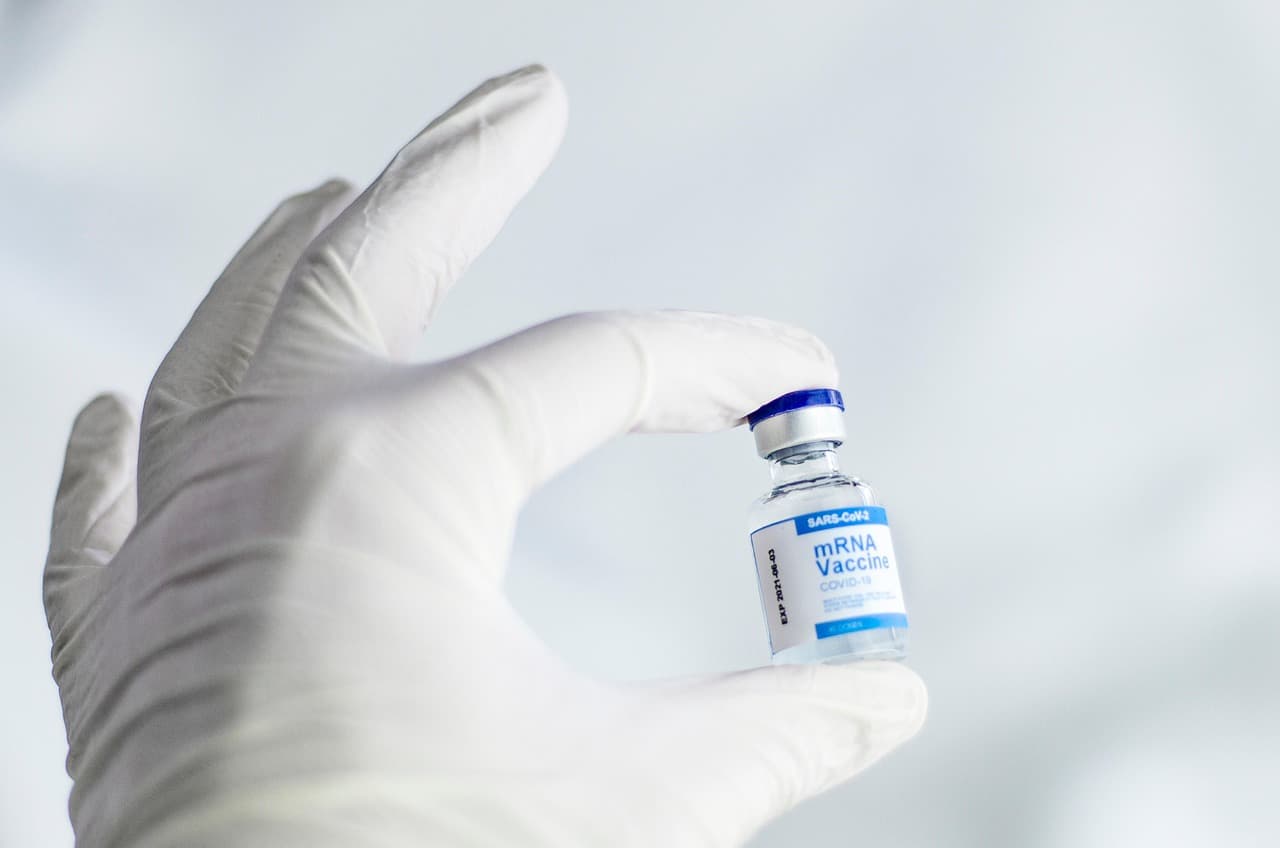
Judicial police in Guinea-Bissau raided the offices of the Bandim Health Project vaccine researchers and seized doses of hepatitis B vaccines, officials announced on Facebook. The Bandim researchers have been praised by US health secretary Robert F Kennedy Jr.
Guinea-Bissau vaccine raid: police seize hepatitis B doses at Bandim Health Project offices
What the police search covered
Judicial police in Guinea-Bissau raided the offices of the Bandim Health Project and seized doses of hepatitis B vaccines, officials announced on Facebook. The search took place on Monday and, according to the post, written in Portuguese, involved investigative procedures meant to clarify the circumstances surrounding the vaccine batch. The announcement added that seizing the doses should not be read as a sign of any irregularity in the vaccines' quality, safety or effectiveness.
The raid lands in the middle of a dispute over studies on African newborns, research supported by $1.6m from the CDC and matched by the Pershing Square Foundation and the Bluebell Foundation, for a total of $3.2m.
The trial behind the dispute
At issue is a redesigned hepatitis B newborn vaccine trial that would still deny the vaccine to 7,000 newborns in the first six weeks of life. The Bandim Health Project posted an approval letter for the trial from Guinea-Bissau's national ethics committee at the ministry of public health, dated 14 July and signed by the committee's president, Mouhammed Djicó Ould Ahmed. Earlier in October, a Danish research ethics committee also cleared the study, after changing its own rules so that it could consider this kind of clinical trial.
Quinhin Nantote, health minister of Guinea-Bissau's transitional government, told the Guardian on Thursday that reports the trial would go ahead were untrue. Asked about claims that the study was proceeding, she dismissed them in Portuguese as not remotely true.
Kennedy's praise of the researchers
Anthropologist Peter Aaby founded the Bandim Health Project in 1978, and it is now co-led by his wife, the epidemiologist Christine Stabell Benn.
Robert F Kennedy Jr has called Aaby and colleagues "the deities of vaccine research" at a recent anti-vaccine conference. In 2023, on Joe Rogan's podcast, he described Aaby as a "very famous" researcher and cited the group's DTP study, which the researchers later repeated with completely different results. Kennedy also cited Aaby's research when he halted US funding to Gavi, the Vaccine Alliance.
Stabell Benn sat on the ACIP hepatitis B working group and presented evidence to the US committee that voted to end the universal birth dose recommendation, before a federal judge stayed those vaccine decisions. She also hosted a podcast with Tracy Beth Høeg, a former top FDA official who said she wanted to end "unnecessary" vaccines.
Aaby, Stabell Benn and lead researcher Frederik Schaltz-Buchholzer did not respond to questions about the trial and the police search.
Criticism and the ministry's denial
The World Health Organization has objected to the study's design. WHO spokesperson Tarik Jašarević said a study denying participants the vaccine is "unethical and exposes newborns to serious and potentially irreversible harm". Jašarević called hepatitis B vaccination at birth an essential public health intervention, and said the WHO country office has been advising Guinea-Bissau's health ministry on introducing the vaccine.
The stakes are high: about one in five adults in Guinea-Bissau have hepatitis B. The virus kills 15% to 25% of people with chronic infections, causing cancer and liver failure, while vaccination within 24 hours of birth is safe and highly effective.
- The non-profit Stand Up for Science (SUFS) reported that Bandim has done little to improve Guinea-Bissau's health and research capacities in five decades of operation.
- SUFS is fundraising to roll out birth-dose vaccines to all newborns.
SUFS founder Colette Delawalla said her investigator found significant public distrust of Bandim, though the group is often the only option for medical care given the lack of infrastructure. Delawalla said the raid underlines that Guinea-Bissau is a "fragile" nation that experienced a military coup less than a year ago and lacks the stability needed for clinical trials. She said the country is "trying to protect their youth, their future, from exploitation by two powerful western nations" with the leverage it has.
Guinea-Bissau's health minister maintains the trial will not move forward, and the researchers did not answer questions about the search.