Honeybees Barge Aside Wild Pollinators in Fight for Nectar and Pollen, Study Finds
WORLD

Honeybees Barge Aside Wild Pollinators in Fight for Nectar and Pollen, Study Finds

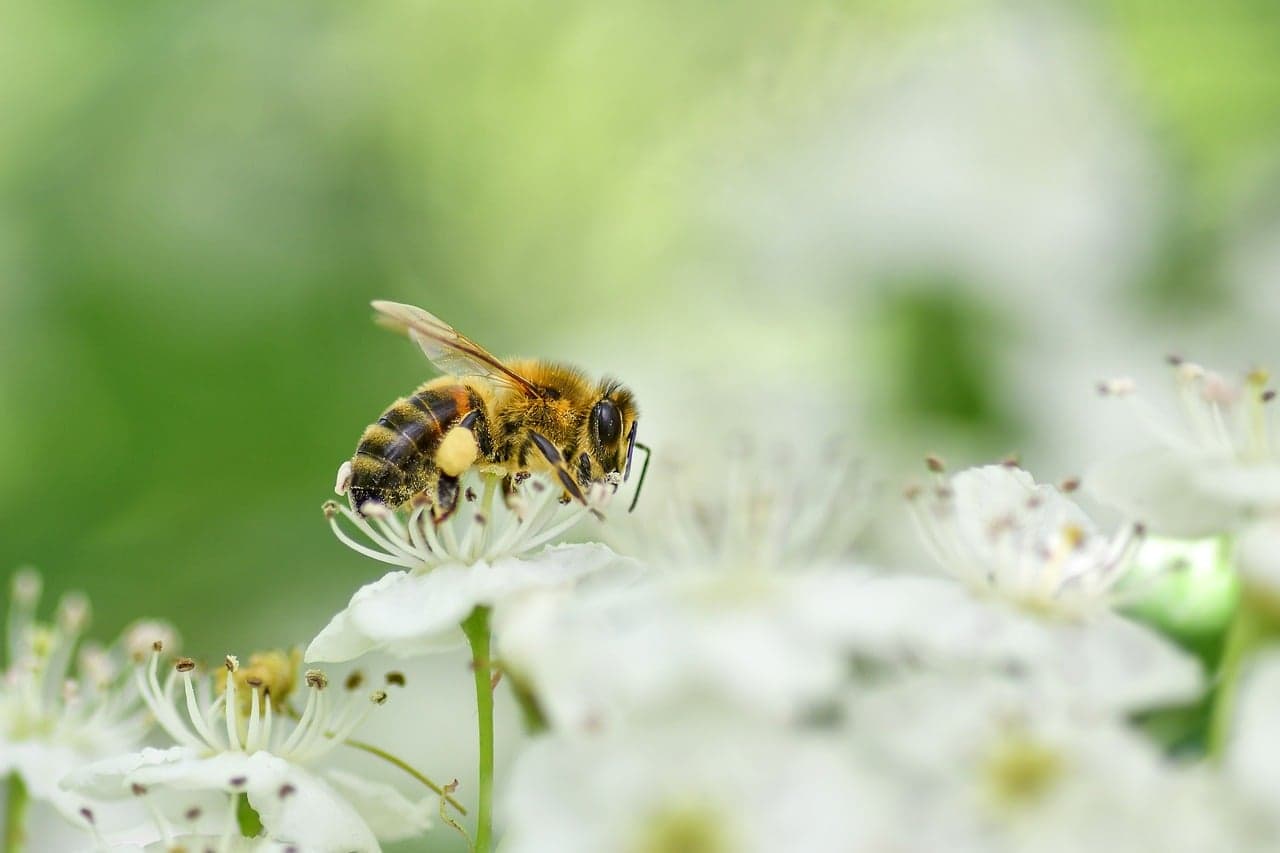
Honeybees are outcompeting wild pollinators by bumping into rivals and chasing them off flowers, according to a two-year Anglia Ruskin University study of pollinators foraging in Cambridgeshire.

By LiveDigestPublished Wednesday, October 21, 2026 · 18:07 GMT | 3 min read

Honeybees Barge Aside Wild Pollinators in Fight for Nectar and Pollen, Study Finds

Researchers watching flowers in Cambridgeshire have documented honeybees shoving wild pollinators off bramble and ivy - direct evidence that managed hives compete with other insects not just for food, but face to face.

01 / WORLD

How the study was run

The Anglia Ruskin University team spent two years observing pollinators foraging on bramble and ivy near honeybee colonies in Cambridgeshire. Their starting point was a familiar worry: areas with more honeybees tend to have fewer bumblebees, solitary bees and hoverflies, and there are growing concerns that managed hives harm wild insects through competition for food and the spread of disease.

The study recorded the outcomes of 300 interactions between flower visitors from five groups:

  • honeybees
  • bumblebees
  • solitary bees
  • hoverflies
  • an "other" group covering flower-visiting and pollinating flies, butterflies, beetles and wasps

Each interaction was scored as won, lost or shared.

02 / WORLD

What the numbers show

Honeybees won the majority of encounters on both plant species and were the most likely to start competitive interactions in the first place, pushing rivals aside to gather more nectar and pollen. When a honeybee did win, it displaced or chased the other visitor away in roughly 20% of cases.

The insects also stayed out of the way before contact was even made. Other flower visitors actively avoided honeybees in 28.4% of interactions on bramble and 35.6% on ivy.

03 / WORLD

Direct competition, not just indirect

Earlier research had shown indirect competition between honeybees and wild insects. The new study goes further, documenting what scientists call "interference competition", where one species attacks or chases another away.

Victoria Buckle, the lead author and a PhD researcher at Anglia Ruskin University, said wild pollinators are now facing a challenge from both types of competition from honeybees.

With the honeybees, the aggression was more overt. You could tell that they're specifically trying to move the other one off the flower.

Bumblebees were also seen displacing other pollinators, but Buckle believes those collisions were probably accidental. Honeybee aggression, she suggested, likely reflects how their social groups are organised: some castes act as guard bees, giving them the capacity to show threat and aggression.

04 / WORLD

Rising beekeeping and a warming UK

The findings land as beekeeping expands. The number of registered beekeepers in the UK more than doubled, from 19,000 in 2010 to 47,000 in 2025, according to the National Bee Unit.

Weather sharpened the competition too. Higher temperatures led to an increased number of competitive interactions, probably because nectar was drying up and plants were under heat stress. Buckle noted that mean summer temperatures in the UK are predicted to rise by up to 4C by 2080, making such competition likely to become more frequent.

One wild insect held its own: the ivy bee, first recorded in the UK in 2001, which feeds mainly on the nectar of ivy flowers and was seen displacing and chasing honeybees back.

Buckle said more research is needed to examine how wild pollinators can be better protected. The research, she said, is important because it helps guide planning and best practices for conservation, noting that many beekeepers are environmentally minded.

Honeybees Barge Aside Wild Pollinators in Fight for Nectar and Pollen, Study Finds
WORLD

Honeybees Barge Aside Wild Pollinators in Fight for Nectar and Pollen, Study Finds

Honeybees are outcompeting wild pollinators by bumping into rivals and chasing them off flowers, according to a two-year Anglia Ruskin University study of pollinators foraging in Cambridgeshire.

By LiveDigestPublished Wednesday, October 21, 2026 · 18:07 GMT | 3 min read

Honeybees Barge Aside Wild Pollinators in Fight for Nectar and Pollen, Study Finds

Researchers watching flowers in Cambridgeshire have documented honeybees shoving wild pollinators off bramble and ivy - direct evidence that managed hives compete with other insects not just for food, but face to face.

01 / WORLD

How the study was run

The Anglia Ruskin University team spent two years observing pollinators foraging on bramble and ivy near honeybee colonies in Cambridgeshire. Their starting point was a familiar worry: areas with more honeybees tend to have fewer bumblebees, solitary bees and hoverflies, and there are growing concerns that managed hives harm wild insects through competition for food and the spread of disease.

The study recorded the outcomes of 300 interactions between flower visitors from five groups:

  • honeybees
  • bumblebees
  • solitary bees
  • hoverflies
  • an "other" group covering flower-visiting and pollinating flies, butterflies, beetles and wasps

Each interaction was scored as won, lost or shared.

02 / WORLD

What the numbers show

Honeybees won the majority of encounters on both plant species and were the most likely to start competitive interactions in the first place, pushing rivals aside to gather more nectar and pollen. When a honeybee did win, it displaced or chased the other visitor away in roughly 20% of cases.

The insects also stayed out of the way before contact was even made. Other flower visitors actively avoided honeybees in 28.4% of interactions on bramble and 35.6% on ivy.

03 / WORLD

Direct competition, not just indirect

Earlier research had shown indirect competition between honeybees and wild insects. The new study goes further, documenting what scientists call "interference competition", where one species attacks or chases another away.

Victoria Buckle, the lead author and a PhD researcher at Anglia Ruskin University, said wild pollinators are now facing a challenge from both types of competition from honeybees.

Bumblebees were also seen displacing other pollinators, but Buckle believes those collisions were probably accidental. Honeybee aggression, she suggested, likely reflects how their social groups are organised: some castes act as guard bees, giving them the capacity to show threat and aggression.

With the honeybees, the aggression was more overt. You could tell that they're specifically trying to move the other one off the flower.
04 / WORLD

Rising beekeeping and a warming UK

The findings land as beekeeping expands. The number of registered beekeepers in the UK more than doubled, from 19,000 in 2010 to 47,000 in 2025, according to the National Bee Unit.

Weather sharpened the competition too. Higher temperatures led to an increased number of competitive interactions, probably because nectar was drying up and plants were under heat stress. Buckle noted that mean summer temperatures in the UK are predicted to rise by up to 4C by 2080, making such competition likely to become more frequent.

One wild insect held its own: the ivy bee, first recorded in the UK in 2001, which feeds mainly on the nectar of ivy flowers and was seen displacing and chasing honeybees back.

Buckle said more research is needed to examine how wild pollinators can be better protected. The research, she said, is important because it helps guide planning and best practices for conservation, noting that many beekeepers are environmentally minded.

Honeybees Barge Aside Wild Pollinators in Fight for Nectar and Pollen, Study Finds
WORLD

Honeybees Barge Aside Wild Pollinators in Fight for Nectar and Pollen, Study Finds

By LiveDigest

Honeybees Barge Aside Wild Pollinators in Fight for Nectar and Pollen, Study Finds

Researchers watching flowers in Cambridgeshire have documented honeybees shoving wild pollinators off bramble and ivy - direct evidence that managed hives compete with other insects not just for food, but face to face.

01 / WORLD

How the study was run

The Anglia Ruskin University team spent two years observing pollinators foraging on bramble and ivy near honeybee colonies in Cambridgeshire. Their starting point was a familiar worry: areas with more honeybees tend to have fewer bumblebees, solitary bees and hoverflies, and there are growing concerns that managed hives harm wild insects through competition for food and the spread of disease.

The study recorded the outcomes of 300 interactions between flower visitors from five groups:

  • honeybees
  • bumblebees
  • solitary bees
  • hoverflies
  • an "other" group covering flower-visiting and pollinating flies, butterflies, beetles and wasps

Each interaction was scored as won, lost or shared.

02 / WORLD

What the numbers show

Honeybees won the majority of encounters on both plant species and were the most likely to start competitive interactions in the first place, pushing rivals aside to gather more nectar and pollen. When a honeybee did win, it displaced or chased the other visitor away in roughly 20% of cases.

The insects also stayed out of the way before contact was even made. Other flower visitors actively avoided honeybees in 28.4% of interactions on bramble and 35.6% on ivy.

03 / WORLD

Direct competition, not just indirect

Earlier research had shown indirect competition between honeybees and wild insects. The new study goes further, documenting what scientists call "interference competition", where one species attacks or chases another away.

Victoria Buckle, the lead author and a PhD researcher at Anglia Ruskin University, said wild pollinators are now facing a challenge from both types of competition from honeybees.

Bumblebees were also seen displacing other pollinators, but Buckle believes those collisions were probably accidental. Honeybee aggression, she suggested, likely reflects how their social groups are organised: some castes act as guard bees, giving them the capacity to show threat and aggression.

With the honeybees, the aggression was more overt. You could tell that they're specifically trying to move the other one off the flower.
04 / WORLD

Rising beekeeping and a warming UK

The findings land as beekeeping expands. The number of registered beekeepers in the UK more than doubled, from 19,000 in 2010 to 47,000 in 2025, according to the National Bee Unit.

Weather sharpened the competition too. Higher temperatures led to an increased number of competitive interactions, probably because nectar was drying up and plants were under heat stress. Buckle noted that mean summer temperatures in the UK are predicted to rise by up to 4C by 2080, making such competition likely to become more frequent.

One wild insect held its own: the ivy bee, first recorded in the UK in 2001, which feeds mainly on the nectar of ivy flowers and was seen displacing and chasing honeybees back.

Buckle said more research is needed to examine how wild pollinators can be better protected. The research, she said, is important because it helps guide planning and best practices for conservation, noting that many beekeepers are environmentally minded.