Heidi Levine settler attack: Palestinian youths' slingshot rescue, in her words
Washington Post photojournalist Heidi Levine, seriously injured in an Israeli settler attack during an olive harvest in the West Bank village of Abu Falah on Friday, says young Palestinians armed with slingshots drove the settlers back and saved her life.
Heidi Levine settler attack: Palestinian youths' slingshot rescue, in her words
Charge under teargas
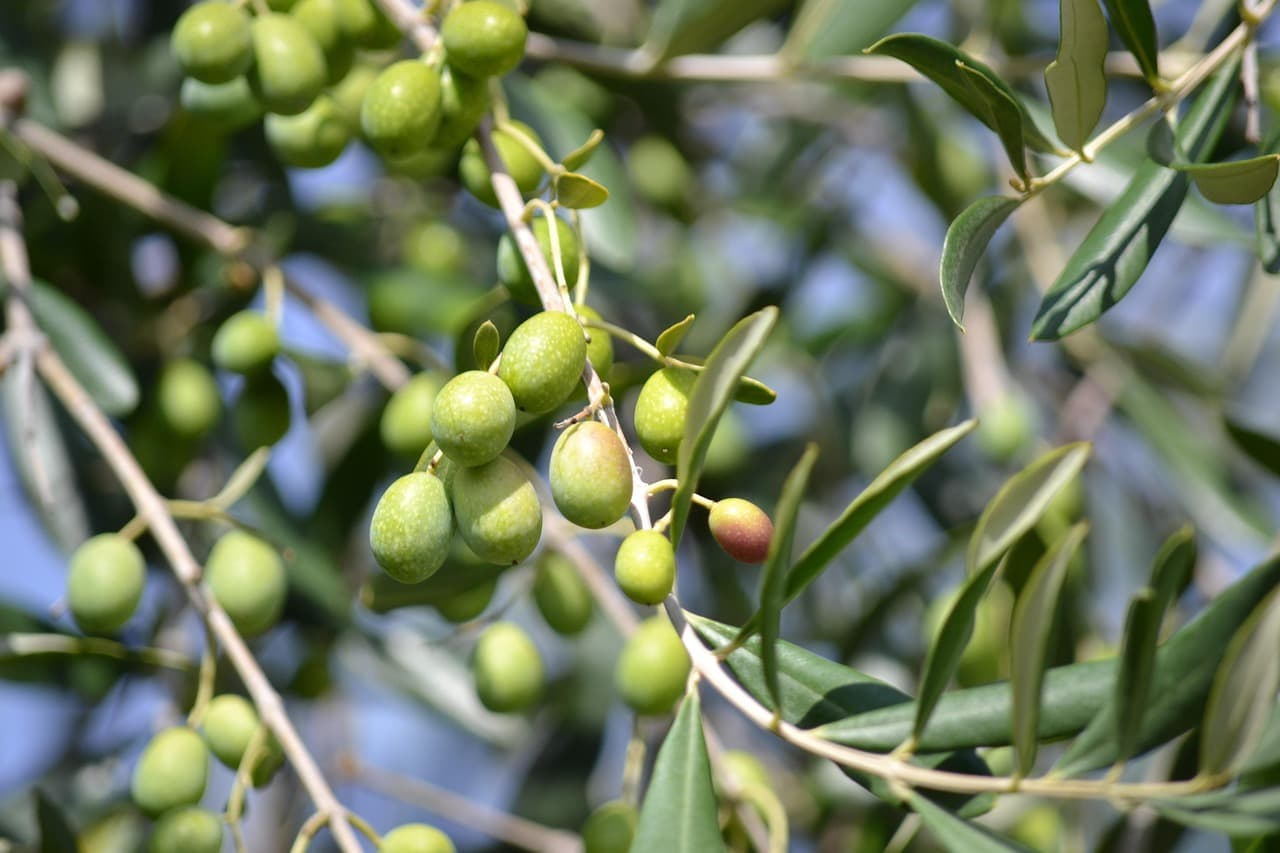
The olive harvesting at Abu Falah, north of Ramallah, began peacefully. According to Levine's account, a group of young masked settlers appeared on a nearby hilltop and watched from a distance. The attack, she said, began only after the Israeli army arrived on the scene.
Levine, 64, had covered multiple wars and had just returned from an assignment in Ukraine before travelling to the village for the harvest. What she described next was a burst of machine-gun fire and teargas, and then the settlers moving toward her.
"I see a dozen of them and they started charging at me," she said. She was knocked to the ground and repeatedly beaten by the masked settlers while covering the harvest.
Playing dead under more than a hundred blows
She was kicked and beaten with sticks, and could not count the blows. "They started kicking me and beating me with sticks. I can't even count how many times, probably more than a hundred times," she said.
"I probably would have been dead, because for sure it doesn't take much to kill a person with blows to the head."
That was her assessment of what her body armour and helmet did for her: without them, she said, she would most likely have been killed. Even so, the injuries were serious - four fractured vertebrae, two broken ribs and four puncture wounds. It remains unclear what caused the puncture wounds; a witness saw nails sticking out of some of the wooden clubs.
The slingshots that turned the settlers back
The beating stopped, witnesses said, when young Palestinian men used slingshots to aim stones at the settlers, forcing them back. That allowed another American journalist, Jasper Nathaniel, to reach Levine and, with other reporters, help her to safety.
Levine credited the young men directly. "The shabab [Palestinian youth] put themselves in front and were trying to keep them [the settlers] away, keep a protective shield, which was amazing. It was like a biblical battle," she said.
Nathaniel, in his own account, wrote that the young Palestinians were armed only with stones and risked their lives to save her. "Had the shabab not stepped up to protect her, she might well be dead," he wrote.
What followed for those who helped
According to Nathaniel, the army pursued the young Palestinians in the wake of the incident, rather than the settlers. Palestinians who try to resist attacks risk being shot by settlers or the soldiers, and can face long detention without charge.
Levine herself was discharged from hospital on Wednesday in the Israeli city of Petah Tikva. She has lived in Israel for four decades, and said she would go back to reporting on the West Bank once recovered. Her resolve, she said, was intact: "They have bruised me, broken some bones, but they haven't cracked my spirit."