Shamonda virus: first known human case detected in France
A man in France has become the first person known to have contracted Shamonda virus, a midge-borne bunyavirus, and investigators are examining whether it contributed to his death this month.
Shamonda virus: first known human case detected in France
A first human infection
A man in France is the first human known to have contracted Shamonda virus, according to the European Centre for Disease Prevention and Control (ECDC), which said the patient was the first recognised human infection. Investigators are also examining whether the virus contributed to his death. The patient had already been seriously ill and had a compromised immune system, so it remains unclear whether the virus played a role in his death this month.
What the virus does
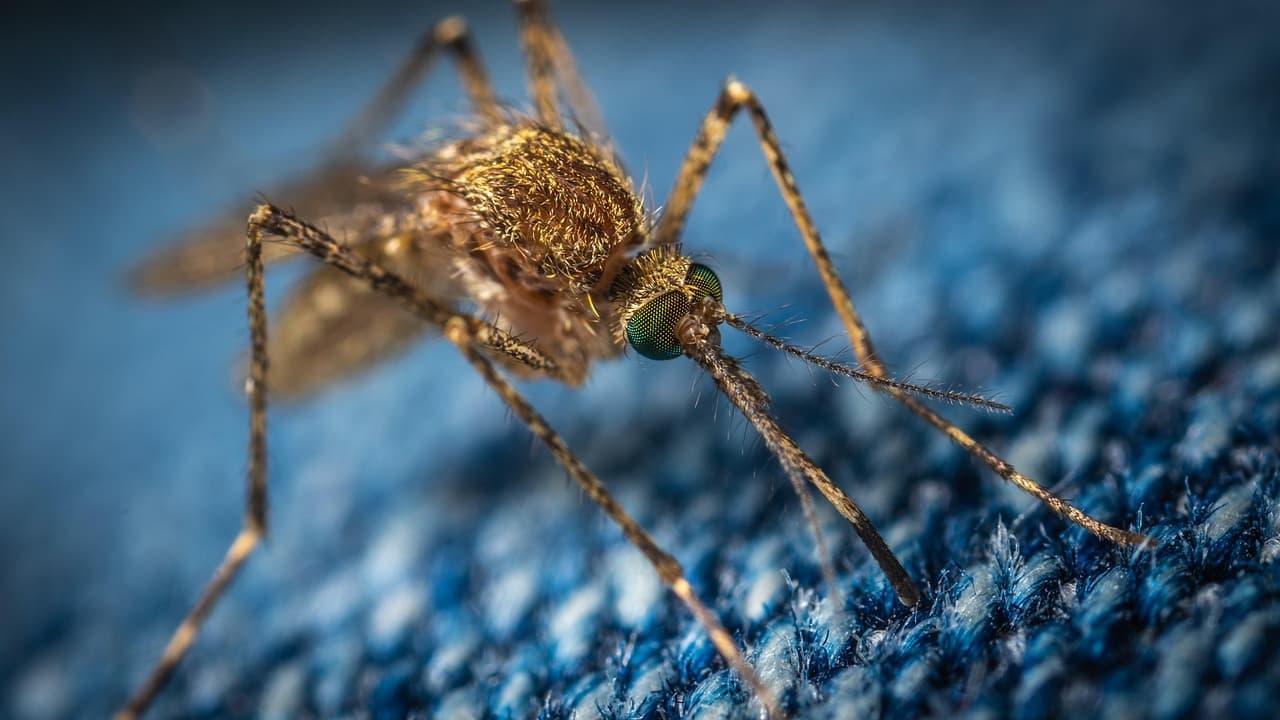
Shamonda virus is a type of bunyavirus and is spread by bites from infected midges. The Austrian Agency for Health and Food Safety has described its effects mainly in livestock.
- In cattle, sheep and goats, it can cause diarrhoea, lack of appetite and a decline in milk yield.
- It can also cause abortions and congenital abnormalities in newborn calves, lambs and kids, the agency states.
- Genetic material from the virus has been reported in the brains of horses that died of neurological symptoms in Switzerland and Germany.
The virus had previously been found in farm animals outside Europe and was first detected in European livestock in the summer.
What experts say about risk
Prof Tom Solomon, director of the pandemic institute at the University of Liverpool, said the risk to the general public appeared very low. He noted that the virus has circulated for many years in cattle, sheep, goats, horses and alpacas, and that the first recognised human infection suggests transmission to humans is extremely unusual.
"This suggests that transmission to humans is extremely unusual"
Solomon said it is unknown whether healthy people can become infected without developing symptoms, what symptoms the virus normally causes, or how often it causes serious disease. He said French authorities believe the patient's neurological complications were very likely linked to the infection, although investigations continue, and that one exceptional case does not necessarily mean the virus poses a significant threat to the wider population.
Dr Ben Brennan of the MRC-University of Glasgow centre for virus research said there is currently no evidence of sustained transmission between humans. While the discovery warrants investigation and surveillance, he said it does not currently suggest a significant new public health threat to the UK. For most people, he said, there is no reason to change normal activities or take additional precautions.
Ongoing investigations
The ECDC said investigations into whether the virus caused or contributed to the patient's death and how the infection was acquired are ongoing. French authorities continue to examine the link between the infection and the patient's neurological complications.