Reform UK donor Iran links: Hossein Ghandehari's venture with sanctioned foundation revealed
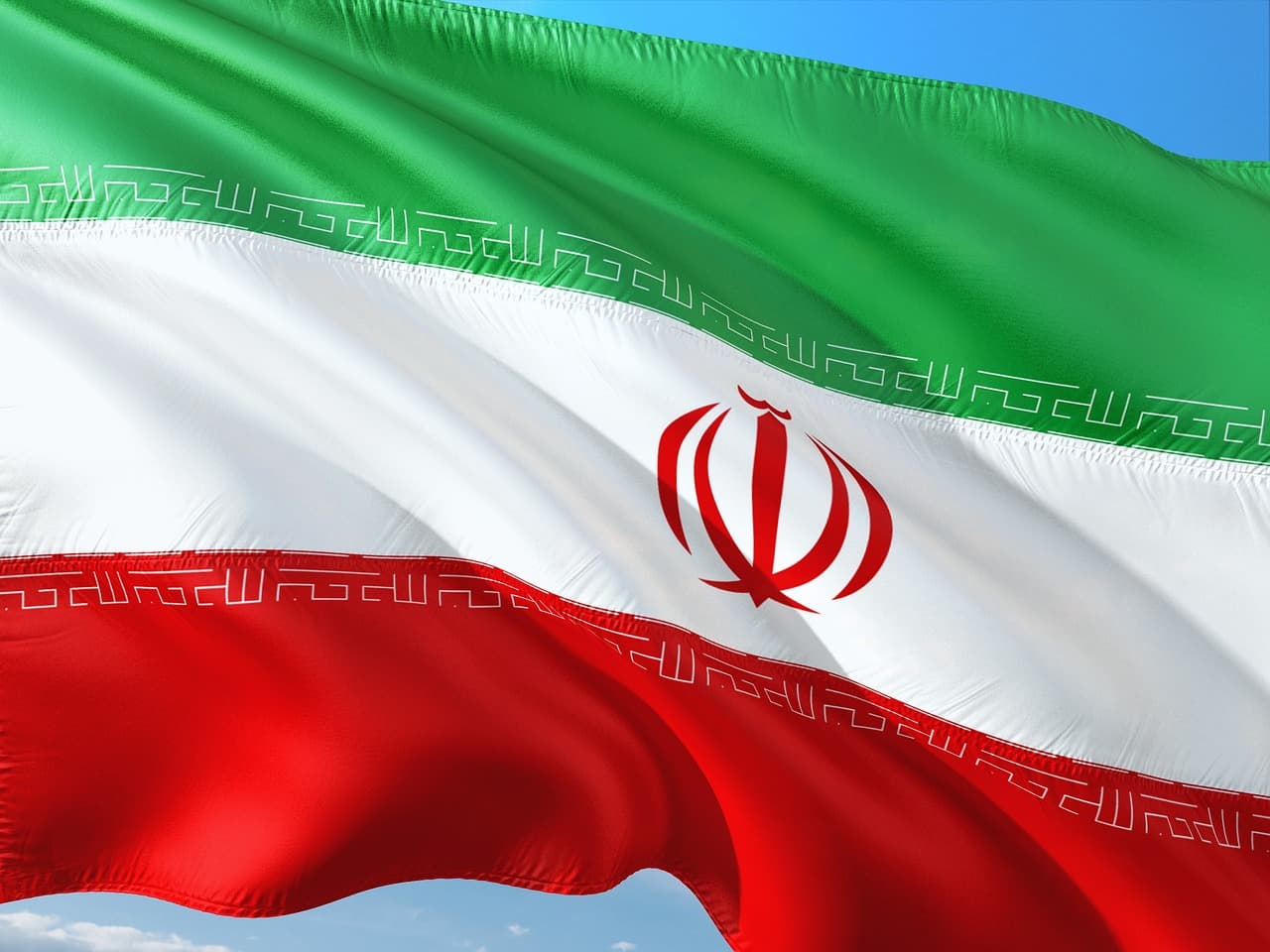
Reform UK donor Iran links have come to light: billionaire Hossein Ghandehari, who pledged millions to Nigel Farage's party, was in business between 2013 and 2016 with Astan Quds Razavi, an Iranian religious foundation later sanctioned by the US, French arbitration documents show.
Reform UK donor Iran links: Hossein Ghandehari's venture with sanctioned foundation revealed
The Reform UK donations
The Reform UK donor Iran links centre on Hossein Ghandehari, also known as Sasan, an Iranian-born British businessman who pledged to give millions to Reform UK in the summer and separately donated £50,000 to Nigel Farage to cover the cost of two passes for the Davos World Economic Forum.
- The 61-year-old says he runs a $10bn (£7bn) fund called HP Trust, which owns assets in Europe and North America.
- He said he is moving his tax residency from Switzerland to the UK to make "regular payments" of more than "one or two million" to Reform UK.
- Farage in March accused Iran of being a bigger danger to the UK than Vladimir Putin, and last week warned about Iranian agents entering the UK via small boats across the Channel.
A French arbitration decision revealed his dealings with Iranian state-linked entities between 2013 and 2016.
The Iranian joint venture
Ghandehari was the major investor behind a deal to supply and build a fibre-optic cable to carry telecoms traffic across Iran, in a joint venture with a state-linked partner. His HP Trust was the ultimate owner of Ori Group, which took a 49% stake in the venture, called Omran Razavi International Co, in 2015. The other 51% was owned by Astan Quds Razavi (AQR), a multibillion-pound religious foundation in Mashhad, Iran's second city.
The context around the partner was squarely state-linked:
- The original contract was awarded to the Omran consortium in 2012 by Iran's state-owned Telecommunication Infrastructure Company.
- Iranian corporate filings show Omran Razavi International Co owned stakes in two majority state-owned banks, Bank Mellat and Bank Tejerat, in 2013, both then sanctioned over Iran's nuclear programme.
- AQR's leader at the time was ayatollah Abbas Vaez Tabasi, appointed custodian of the foundation by the first supreme leader, Ruhollah Khomeini, who served from the 1979 revolution until his death in 2016.
- According to the BBC, state media reported in 2009 that Vaez Tabasi said those behind "sedition" were "enemies of god" who deserved execution under sharia law.
- The US sanctioned AQR in 2021, saying it controlled "large swaths of the Iranian economy" for the benefit of supreme leader Ali Khamenei and senior officials, describing it as a bonyad.
Until 2016, HP Trust also owned Orico General Trading LLC, contracted to supply telecoms equipment from France's Alcatel-Lucent and transport it from Dubai to Iran.
The collapse and its aftermath
The joint venture ended around 2016, with the Ghandehari-backed entities being pushed out of the deal as a hardliner was appointed to lead AQR. That year AQR took over the whole joint venture, and around the same time the project's chair, Mohammed Reza Noory, ended up in Iran's infamous Evin prison, serving an 18-year sentence.
Orico was transferred after 2016 to John Richard Simpson, a Reform UK donor from Potters Bar, who was responsible for winding down Orico's operations and taking hundreds of staff out of the region. Simpson's design firm, Interior Architecture Landscape, counts the Ghandehari family as a client and gave £200,000 to Reform UK last year.
Ghandehari and Noory are named on leaked judicial papers published by the hacktivist group Edaalat Ali as being under investigation in Iran after the deal collapsed.
The defence of the dealings
Ghandehari's lawyers said it would be misleading to call him "working with Iran", noting that after 2016 Iran's supreme national security council targeted him with the false allegation that he worked with hostile western powers.
They said his involvement aimed to promote political change through greater access to information, which he believed was why US and French authorities authorised the project. The lawyers also said AQR was independent and respected, the only viable joint-venture choice, and that he had never met Vaez Tabasi. As for the bank stakes, they said Omran Razavi disposed of them before Ori Group signed its agreement for a 49% stake in December 2014, and that the deal was fully approved by authorities in France and the US.
Simpson said he acquired Orico after Iranian extremists took over AQR, when the project's assets were seized and those involved faced political persecution on national security grounds.
Ghandehari's lawyers said he first became aware of the "bogus allegations" during French court proceedings and that intelligence services gave him no further details. His representatives added that fabricating financial and social cases against its targets to discredit them is part of the Iranian regime's playbook, recognised by western governments, human rights organisations and journalists.
Tom Keatinge, director of the Centre for Finance and Security at Rusi, said dealing with Iran "has always been a risky business", because of blurred lines between the state and the private sector. He added that it would be "pretty difficult to operate in an industry like telecoms" in Iran without acceptance of the core leadership.
His lawyers say Ghandehari has not been to Iran for 30 years and that his wealth had no connection to the country, his ancestral property and assets having been confiscated in 2016. He and Noory, meanwhile, remain named on the leaked judicial papers as under investigation in Iran.