Neso investigation finds cultural issues at GB power grid operator after whistleblower claims
An independent Neso investigation by law firm Evershed Sutherlands, published on Monday, found significant cultural, governance and control issues at Great Britain's grid operator, though it upheld none of the whistleblower cover-up allegations.
Neso investigation finds cultural issues at GB power grid operator after whistleblower claims
An independent review of Great Britain's power grid operator has confirmed cultural problems at the company, while clearing it of the most serious accusations made by its own staff.
What the Evershed Sutherlands review found
The three-month Neso investigation was carried out by the law firm Evershed Sutherlands after whistleblowers accused the National Energy System Operator of covering up a growing risk of blackouts and claimed the grid was becoming increasingly unmanageable. Neso dropped plans for an internal inquiry in favour of the independent review, whose findings were published on Monday.
The law firm's conclusions cut both ways:
- No evidence was found of inappropriate influence over operational decisions.
- Investigators also found no proof that engineers were warned against leaving a paper trail.
- The review did identify cultural, governance and control issues, which it called significant findings in their own right.
The whistleblower allegations and June heatwave
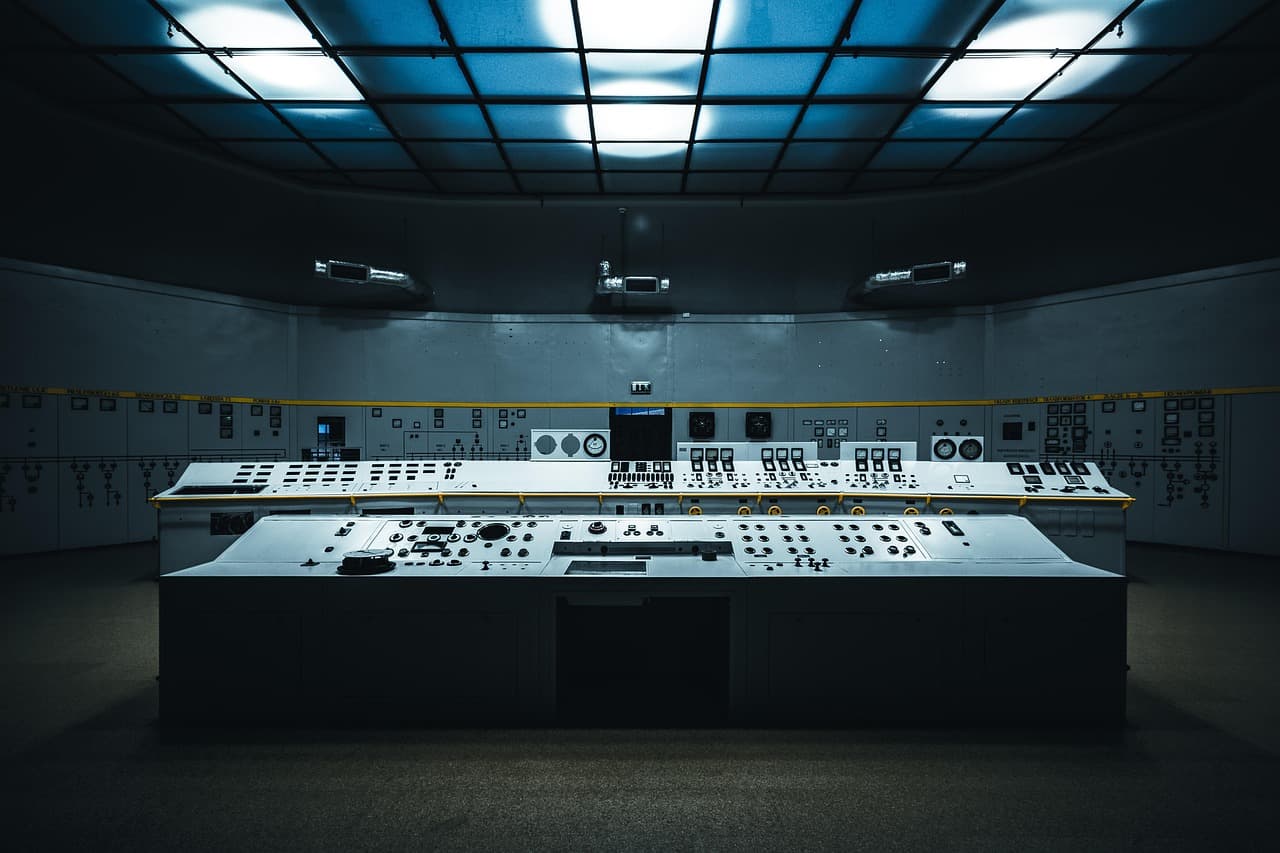
The whistleblower allegations centred on claims that control room decisions faced interference from Neso's corporate affairs team, intended to protect the reputation of the government-owned operator. Staff also complained about how high levels of stress among control room engineers were handled.
The revolt inside the control room included multiple internal complaints, the leak of internal documents to the press and accusations of whistleblower intimidation.
The claims surfaced after the June heatwave pushed grid frequency below normal operating limits on several occasions, forcing the operator to call on emergency assistance from neighbouring countries to keep the lights on. Near-record temperatures drove up air-conditioning demand, while a high pressure heat dome slowed wind turbines and triggered unplanned outages at gas and nuclear plants across Europe.
Stress in the control room
The review found high levels of stress and concern among control room staff responsible for balancing the power system as renewables replace fossil fuel plants under net zero ambitions. Senior Neso executives, the report said, were seen as not fully appreciating the pressures faced by the engineers keeping the lights on on the frontline.
Staff felt their concerns and complaints went largely unheard, because of the need to keep external stakeholders, including the government and regulators, satisfied.
Tim Jarvis, chief executive of the regulator Ofgem, said the investigation did not uphold the whistleblower's specific allegations but raised important and concerning issues about working culture and practices at Neso.
"I want all colleagues at Neso to feel heard."
Those are the words of Fintan Slye, Neso's chief executive, who said the company would act on the report's recommendations with trade unions and described the review as constructive in identifying where the operator could improve how staff raise concerns and how those concerns are answered.
What happens next
Ofgem is running a separate, ongoing investigation into whether the cultural issues played a role in operational decision-making, system security or raising energy costs for consumers. Jarvis said the regulator's job would be to establish the facts, identify the lessons and ensure action is taken.
Michael Shanks, the minister for energy, said the government expected significant action without delay and would keep progress under close review.
Ofgem's findings will be published no later than 31 March 2027. If the regulator concludes Neso has not complied with its obligations under market rules, the case could escalate into an enforcement investigation.