Grid balancing costs hit nearly £50m a day as windfarms are paid to switch off
BUSINESS · ENERGY

Grid balancing costs hit nearly £50m a day as windfarms are paid to switch off

Great Britain's grid operator paid £47.9m on Wednesday to balance the electricity system - some of the highest grid balancing costs since 2022 - after transmission bottlenecks forced windfarms to switch off while gas plants were turned on.

By LiveDigestPublished Friday, October 16, 2026 · 03:07 GMT | 3 min read

Grid balancing costs hit nearly £50m a day as windfarms are paid to switch off

01 / ENERGY

What Wednesday's balancing payments covered

The body that runs Great Britain's electricity grid spent £47.9m on Wednesday paying windfarms to switch off in areas with too much power and turning gas plants on where supplies ran tight - among the highest daily grid balancing costs recorded since the early months of the Ukraine crisis in 2022.

The spending, which lands on household energy bills, even included a single payment of £1.6m covering one half-hour period.

  • Windfarms and hydropower plants totalling roughly 9 gigawatts of capacity were paid not to generate, according to LCP Delta - enough to power more than 8m typical households.
  • In their place, the operator paid a string of gas and biomass plants to fire up.
  • It also bought more electricity from Europe through high-voltage subsea cables.
02 / ENERGY

Record monthly costs and the infrastructure gap

The scale of the problem is growing. Balancing costs hit £505m in September alone, the highest monthly figure ever recorded, and are expected to reach £3.2bn over the coming year.

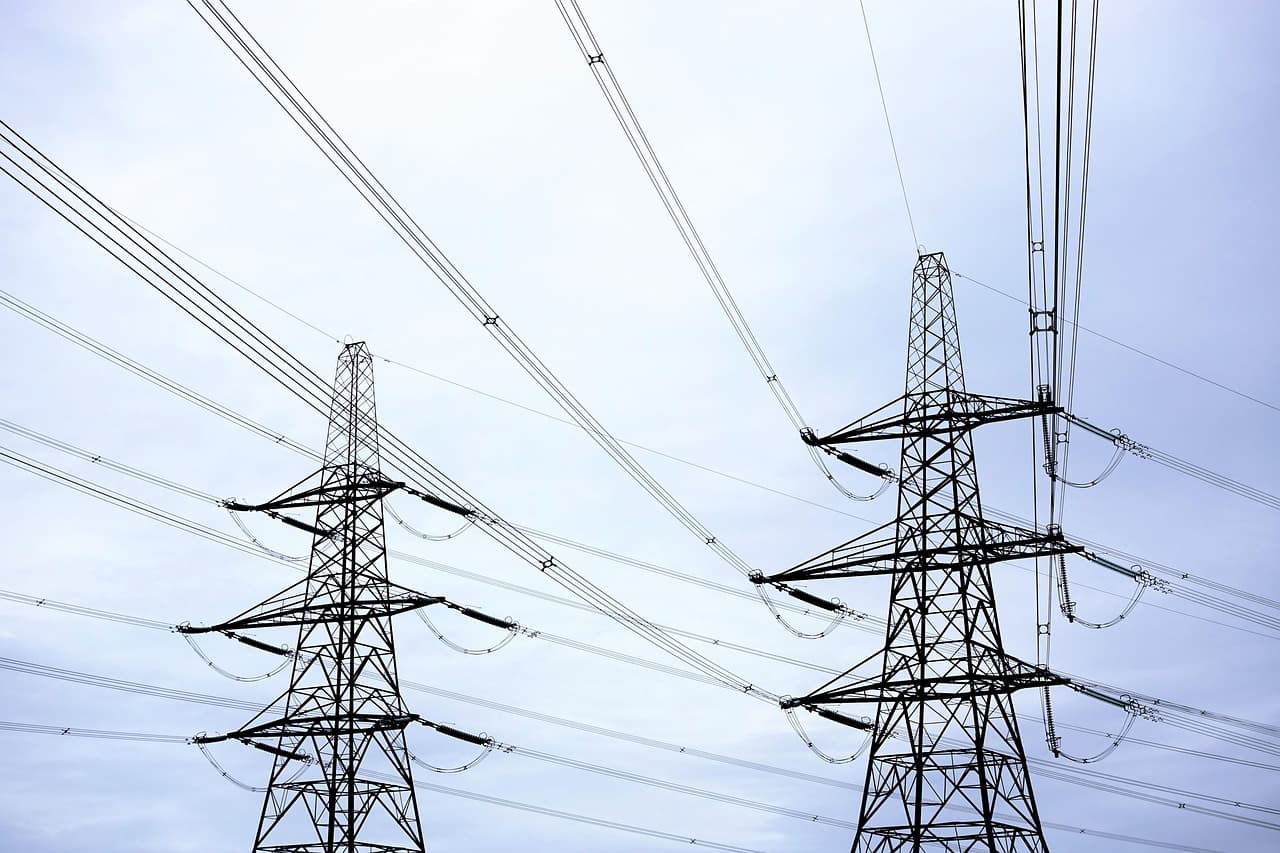
The underlying cause, per the report, is a mismatch between where power is made and where it is used. A £150bn upgrade of the power networks is failing to keep pace with the renewable projects connecting to the grid. Shivam Malhotra, head of power trading at LCP Delta, said windfarms in Scotland are routinely paid to turn off because there is not enough high-voltage cabling to carry their electricity to demand centres further south.

03 / ENERGY

Emergency help from France

Days before Wednesday's spend, the National Energy System Operator (Neso) made a "last resort" call for emergency assistance to its counterpart in France, which sent last-minute power supplies to the UK on Monday and again on Friday of the previous week.

Malhotra stressed that the country was not short of electricity overall.

"The system overall wasn't tight in terms of power supplies," said Shivam Malhotra, the head of power trading at LCP Delta.

He added: "To resolve the energy needs in the south of the country Neso had to use one of their last resorts."

04 / ENERGY

Near-blackout claims and Neso's response

The emergency calls came during a testing summer. A high-pressure heat dome cut renewable output and pushed up electricity demand for air conditioning and refrigeration, creating severe challenges for Neso. Independent investigators were brought in after whistleblower claims that staff covered up a near-blackout during record high temperatures in late June. The accusations were raised in parliament last week by shadow energy secretary Claire Coutinho, who claimed senior Neso bosses were "risking blackouts to protect Neso's reputation".

Neso chief executive Fintan Slye, speaking at an industry conference on Wednesday, said the regulator Ofgem's review of the period would produce "lessons to be learned". He defended his teams: "Through that period, no customers were disconnected [and] frequencies stayed within statutory limits."

A Neso spokesperson said energy supplies were "secure" during both calls for emergency assistance, and that the separate incidents were not signs of a wider problem.

Neso added that if transmission owners deliver new infrastructure on time, balancing costs could be halved by the end of the decade - the single biggest opportunity to reduce them.

Continue reading

More from Business.

Grid balancing costs hit nearly £50m a day as windfarms are paid to switch off
BUSINESS · ENERGY

Grid balancing costs hit nearly £50m a day as windfarms are paid to switch off

Great Britain's grid operator paid £47.9m on Wednesday to balance the electricity system - some of the highest grid balancing costs since 2022 - after transmission bottlenecks forced windfarms to switch off while gas plants were turned on.

By LiveDigestPublished Friday, October 16, 2026 · 03:07 GMT | 3 min read

Grid balancing costs hit nearly £50m a day as windfarms are paid to switch off

01 / ENERGY

What Wednesday's balancing payments covered

The body that runs Great Britain's electricity grid spent £47.9m on Wednesday paying windfarms to switch off in areas with too much power and turning gas plants on where supplies ran tight - among the highest daily grid balancing costs recorded since the early months of the Ukraine crisis in 2022.

The spending, which lands on household energy bills, even included a single payment of £1.6m covering one half-hour period.

  • Windfarms and hydropower plants totalling roughly 9 gigawatts of capacity were paid not to generate, according to LCP Delta - enough to power more than 8m typical households.
  • In their place, the operator paid a string of gas and biomass plants to fire up.
  • It also bought more electricity from Europe through high-voltage subsea cables.
02 / ENERGY

Record monthly costs and the infrastructure gap

The scale of the problem is growing. Balancing costs hit £505m in September alone, the highest monthly figure ever recorded, and are expected to reach £3.2bn over the coming year.

The underlying cause, per the report, is a mismatch between where power is made and where it is used. A £150bn upgrade of the power networks is failing to keep pace with the renewable projects connecting to the grid. Shivam Malhotra, head of power trading at LCP Delta, said windfarms in Scotland are routinely paid to turn off because there is not enough high-voltage cabling to carry their electricity to demand centres further south.

03 / ENERGY

Emergency help from France

Days before Wednesday's spend, the National Energy System Operator (Neso) made a "last resort" call for emergency assistance to its counterpart in France, which sent last-minute power supplies to the UK on Monday and again on Friday of the previous week.

Malhotra stressed that the country was not short of electricity overall.

He added: "To resolve the energy needs in the south of the country Neso had to use one of their last resorts."

"The system overall wasn't tight in terms of power supplies," said Shivam Malhotra, the head of power trading at LCP Delta.
04 / ENERGY

Near-blackout claims and Neso's response

The emergency calls came during a testing summer. A high-pressure heat dome cut renewable output and pushed up electricity demand for air conditioning and refrigeration, creating severe challenges for Neso. Independent investigators were brought in after whistleblower claims that staff covered up a near-blackout during record high temperatures in late June. The accusations were raised in parliament last week by shadow energy secretary Claire Coutinho, who claimed senior Neso bosses were "risking blackouts to protect Neso's reputation".

Neso chief executive Fintan Slye, speaking at an industry conference on Wednesday, said the regulator Ofgem's review of the period would produce "lessons to be learned". He defended his teams: "Through that period, no customers were disconnected [and] frequencies stayed within statutory limits."

A Neso spokesperson said energy supplies were "secure" during both calls for emergency assistance, and that the separate incidents were not signs of a wider problem.

Neso added that if transmission owners deliver new infrastructure on time, balancing costs could be halved by the end of the decade - the single biggest opportunity to reduce them.

Continue reading

More from Business.

Grid balancing costs hit nearly £50m a day as windfarms are paid to switch off
BUSINESS · ENERGY

Grid balancing costs hit nearly £50m a day as windfarms are paid to switch off

By LiveDigest

Grid balancing costs hit nearly £50m a day as windfarms are paid to switch off

01 / ENERGY

What Wednesday's balancing payments covered

The body that runs Great Britain's electricity grid spent £47.9m on Wednesday paying windfarms to switch off in areas with too much power and turning gas plants on where supplies ran tight - among the highest daily grid balancing costs recorded since the early months of the Ukraine crisis in 2022.

The spending, which lands on household energy bills, even included a single payment of £1.6m covering one half-hour period.

  • Windfarms and hydropower plants totalling roughly 9 gigawatts of capacity were paid not to generate, according to LCP Delta - enough to power more than 8m typical households.
  • In their place, the operator paid a string of gas and biomass plants to fire up.
  • It also bought more electricity from Europe through high-voltage subsea cables.
02 / ENERGY

Record monthly costs and the infrastructure gap

The scale of the problem is growing. Balancing costs hit £505m in September alone, the highest monthly figure ever recorded, and are expected to reach £3.2bn over the coming year.

The underlying cause, per the report, is a mismatch between where power is made and where it is used. A £150bn upgrade of the power networks is failing to keep pace with the renewable projects connecting to the grid. Shivam Malhotra, head of power trading at LCP Delta, said windfarms in Scotland are routinely paid to turn off because there is not enough high-voltage cabling to carry their electricity to demand centres further south.

03 / ENERGY

Emergency help from France

Days before Wednesday's spend, the National Energy System Operator (Neso) made a "last resort" call for emergency assistance to its counterpart in France, which sent last-minute power supplies to the UK on Monday and again on Friday of the previous week.

Malhotra stressed that the country was not short of electricity overall.

He added: "To resolve the energy needs in the south of the country Neso had to use one of their last resorts."

"The system overall wasn't tight in terms of power supplies," said Shivam Malhotra, the head of power trading at LCP Delta.
04 / ENERGY

Near-blackout claims and Neso's response

The emergency calls came during a testing summer. A high-pressure heat dome cut renewable output and pushed up electricity demand for air conditioning and refrigeration, creating severe challenges for Neso. Independent investigators were brought in after whistleblower claims that staff covered up a near-blackout during record high temperatures in late June. The accusations were raised in parliament last week by shadow energy secretary Claire Coutinho, who claimed senior Neso bosses were "risking blackouts to protect Neso's reputation".

Neso chief executive Fintan Slye, speaking at an industry conference on Wednesday, said the regulator Ofgem's review of the period would produce "lessons to be learned". He defended his teams: "Through that period, no customers were disconnected [and] frequencies stayed within statutory limits."

A Neso spokesperson said energy supplies were "secure" during both calls for emergency assistance, and that the separate incidents were not signs of a wider problem.

Neso added that if transmission owners deliver new infrastructure on time, balancing costs could be halved by the end of the decade - the single biggest opportunity to reduce them.

Continue reading

More from Business.