China's young adults turn to raising bricks for 'zero-energy companionship'
WORLD · ENVIRONMENT

China's young adults turn to raising bricks for 'zero-energy companionship'

Young adults in China have taken up raising moss-covered bricks - 'brick babies' - as a low-cost, low-maintenance alternative to pets or children, with a related Weibo hashtag drawing more than 5 million views.

By LiveDigestPublished Monday, October 26, 2026 · 13:56 GMT | 2 min read

China's young adults turn to raising bricks for 'zero-energy companionship'

01 / ENVIRONMENT

How a brick becomes a 'baby'

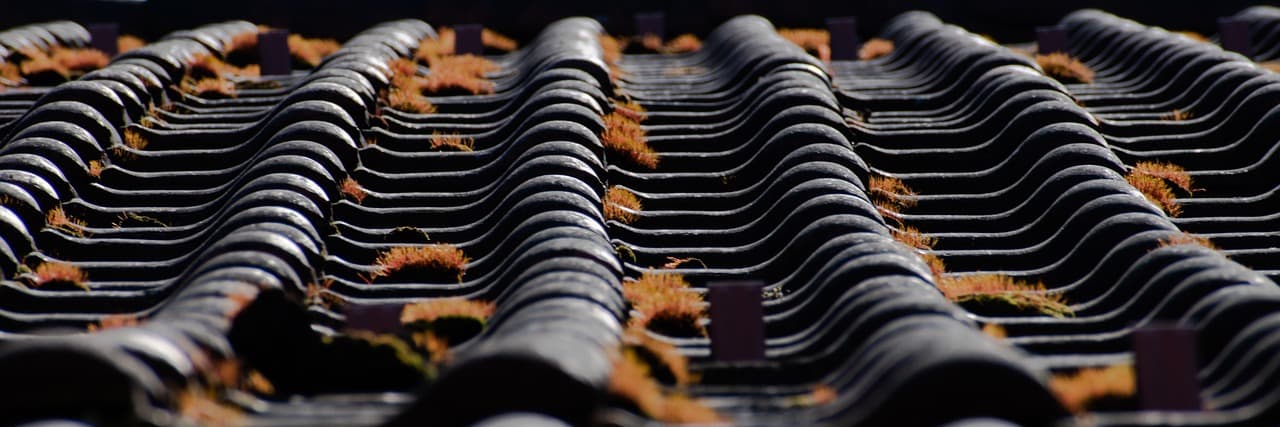
The care routine is minimal: spray the brick with water a few times a day, then let airborne moss spores settle on it and grow. Chinese media have described the bricks as 'practically immortal'.

  • Watering a few times a day is the whole task
  • Forgotten watering is not fatal: the moss goes dormant and revives once watering resumes
02 / ENVIRONMENT

What brick parents say

'No cats, no dating, I started raising a brick,' one brick parent wrote on social media. Another told Chinese media the hobby brings 'a sense of accomplishment no less than completing a long-term project'. One Xiaohongshu owner of a rusty-coloured brick described its appeal as something demanding nothing back: no work, no targets, no coaxing it to flower, and no weighing its progress against anyone else's. A second user recounted that friends had questioned whether they had gone mad, to which they replied they had simply begun raising a brick.

A brick gives me a sense of certainty that feels way more grounded than a lot of relationships. Psychologists call this 'zero-energy emotional companionship.'

That reflection on zero-energy companionship came from a separate user, who said a brick fulfils the need for company without requiring love in return.

03 / ENVIRONMENT

The backdrop: stress and low expectations

The trend is being framed against wider pressures on young Chinese, with commentators linking it to a search for low-effort routes to meaning in life.

  • Nearly one in five 16- to 24-year-olds, excluding students, are unemployed according to official statistics, with some estimates much higher
  • China's birthrate fell to a record low last year
  • After intensely competitive studying and a sluggish job market, many young people are opting for 'lying flat', a low-effort, low-stress lifestyle
04 / ENVIRONMENT

Health warnings from experts

The fad has a downside: Chinese media reports describe mould taking hold on some bricks, and owners complaining of runny noses and irritated, itchy eyes. Xuedong Li, a retired professor of moss from Beijing's Capital Normal University, advised that bricks be kept in an enclosed environment. He also recommended disposable gloves and a mask while handling them, to cut down on inhaling spores and skin contact.


China's young adults turn to raising bricks for 'zero-energy companionship'
WORLD · ENVIRONMENT

China's young adults turn to raising bricks for 'zero-energy companionship'

Young adults in China have taken up raising moss-covered bricks - 'brick babies' - as a low-cost, low-maintenance alternative to pets or children, with a related Weibo hashtag drawing more than 5 million views.

By LiveDigestPublished Monday, October 26, 2026 · 13:56 GMT | 2 min read

China's young adults turn to raising bricks for 'zero-energy companionship'

01 / ENVIRONMENT

How a brick becomes a 'baby'

The care routine is minimal: spray the brick with water a few times a day, then let airborne moss spores settle on it and grow. Chinese media have described the bricks as 'practically immortal'.

  • Watering a few times a day is the whole task
  • Forgotten watering is not fatal: the moss goes dormant and revives once watering resumes
02 / ENVIRONMENT

What brick parents say

'No cats, no dating, I started raising a brick,' one brick parent wrote on social media. Another told Chinese media the hobby brings 'a sense of accomplishment no less than completing a long-term project'. One Xiaohongshu owner of a rusty-coloured brick described its appeal as something demanding nothing back: no work, no targets, no coaxing it to flower, and no weighing its progress against anyone else's. A second user recounted that friends had questioned whether they had gone mad, to which they replied they had simply begun raising a brick.

That reflection on zero-energy companionship came from a separate user, who said a brick fulfils the need for company without requiring love in return.

A brick gives me a sense of certainty that feels way more grounded than a lot of relationships. Psychologists call this 'zero-energy emotional companionship.'
03 / ENVIRONMENT

The backdrop: stress and low expectations

The trend is being framed against wider pressures on young Chinese, with commentators linking it to a search for low-effort routes to meaning in life.

  • Nearly one in five 16- to 24-year-olds, excluding students, are unemployed according to official statistics, with some estimates much higher
  • China's birthrate fell to a record low last year
  • After intensely competitive studying and a sluggish job market, many young people are opting for 'lying flat', a low-effort, low-stress lifestyle
04 / ENVIRONMENT

Health warnings from experts

The fad has a downside: Chinese media reports describe mould taking hold on some bricks, and owners complaining of runny noses and irritated, itchy eyes. Xuedong Li, a retired professor of moss from Beijing's Capital Normal University, advised that bricks be kept in an enclosed environment. He also recommended disposable gloves and a mask while handling them, to cut down on inhaling spores and skin contact.

China's young adults turn to raising bricks for 'zero-energy companionship'
WORLD · ENVIRONMENT

China's young adults turn to raising bricks for 'zero-energy companionship'

By LiveDigest

China's young adults turn to raising bricks for 'zero-energy companionship'

01 / ENVIRONMENT

How a brick becomes a 'baby'

The care routine is minimal: spray the brick with water a few times a day, then let airborne moss spores settle on it and grow. Chinese media have described the bricks as 'practically immortal'.

  • Watering a few times a day is the whole task
  • Forgotten watering is not fatal: the moss goes dormant and revives once watering resumes
02 / ENVIRONMENT

What brick parents say

'No cats, no dating, I started raising a brick,' one brick parent wrote on social media. Another told Chinese media the hobby brings 'a sense of accomplishment no less than completing a long-term project'. One Xiaohongshu owner of a rusty-coloured brick described its appeal as something demanding nothing back: no work, no targets, no coaxing it to flower, and no weighing its progress against anyone else's. A second user recounted that friends had questioned whether they had gone mad, to which they replied they had simply begun raising a brick.

That reflection on zero-energy companionship came from a separate user, who said a brick fulfils the need for company without requiring love in return.

A brick gives me a sense of certainty that feels way more grounded than a lot of relationships. Psychologists call this 'zero-energy emotional companionship.'
03 / ENVIRONMENT

The backdrop: stress and low expectations

The trend is being framed against wider pressures on young Chinese, with commentators linking it to a search for low-effort routes to meaning in life.

  • Nearly one in five 16- to 24-year-olds, excluding students, are unemployed according to official statistics, with some estimates much higher
  • China's birthrate fell to a record low last year
  • After intensely competitive studying and a sluggish job market, many young people are opting for 'lying flat', a low-effort, low-stress lifestyle
04 / ENVIRONMENT

Health warnings from experts

The fad has a downside: Chinese media reports describe mould taking hold on some bricks, and owners complaining of runny noses and irritated, itchy eyes. Xuedong Li, a retired professor of moss from Beijing's Capital Normal University, advised that bricks be kept in an enclosed environment. He also recommended disposable gloves and a mask while handling them, to cut down on inhaling spores and skin contact.