Somalia El Niño floods: Jilib residents say US airstrikes trap civilians by the Juba
Residents of Jilib in southern Somalia say repeated US-linked airstrikes are pushing civilians toward the flooding River Juba as a strengthening El Niño rainy season approaches, while Africom denies targeting civilians or using flooding as a method of warfare.
Somalia El Niño floods: Jilib residents say US airstrikes trap civilians by the Juba
As Somalia braces for a new El Niño rainy season, residents of Jilib say US-linked airstrikes are pushing them toward the swelling River Juba rather than away from it. The town sits in territory held by al-Shabaab, the Islamist militants who control 30% of Somalia, and its roughly 100,000 residents face both falling bombs and rising water. Africom, the US military's Africa command, says it does not target civilians and does not use weather or flooding as a method of warfare.
Strikes push people toward the river, residents say
People in Jilib and the villages around it describe a campaign of drones that never stops, and a population that has nowhere to flee except toward the floodplain. Among them is Asho Omar, from the village of Malenda near Jilib:
The airstrikes are everywhere; it is difficult to move. So many people have been killed.
- Residents of Jilib say the airstrikes are forcing people to go close to the river as El Niño approaches.
- An anonymous source monitoring the Juba floodplain accused the military of exploiting El Niño as a weapon of war to push the population into flood-prone areas.
- Cayni Ali, a 27-year-old mother of six in Jilib, said drones pass overhead without pause and that they kill animals and civilians.
- Farhan Ahmed, 35, who fled Jilib last month, said there were airstrikes every day, and that one strike flattened five homes in his neighbourhood.
- Fadumo Abdi claimed the attacks are mostly killing civilians, and that some of the dead were buried while some were not.
- Yusuf Siidi, 27, from Araare near Jamame, said he witnessed three teenagers killed in one strike.
- Maryan Salah said a drone sent a 20cm shard of burning metal into her back yard near Jamame in mid-March, landing next to her two-year-old daughter. "It was so close. I am very angry. I'm not part of the conflict," she said.
What the US military says
Africom denies the residents' characterisation of the campaign. It says it does not target civilians, does not conduct operations for the purpose of displacing civilian populations, and does not use weather or flooding as a method of warfare, adding that it targets lawful military objectives and works to mitigate civilian harm.
The command declined to share operational security details of what it describes as a seemingly accelerating campaign, or to address potential covert strikes. What it does confirm is far fewer strikes than eyewitness accounts suggest:
- The US admits one drone strike near Jamame on 19 March and has provided no other data for that incident.
- Official records confirm one airstrike in Jilib in August and six the following month, a total of 11 strikes since the start of August.
- The US says it publicises all airstrikes under its authority in Somalia and, in its own words, does not maintain an undisclosed or unannounced strike count.
Analysts note that gaps in attribution leave room for doubt. David Sterman of New America said the possibility of covert US strikes always looms large when there are strikes without clear attribution. Turkey also uses drones against al-Shabaab alongside Africom and rarely divulges any details of its strikes or military operations in Somalia.
Why Jilib is exposed to flooding
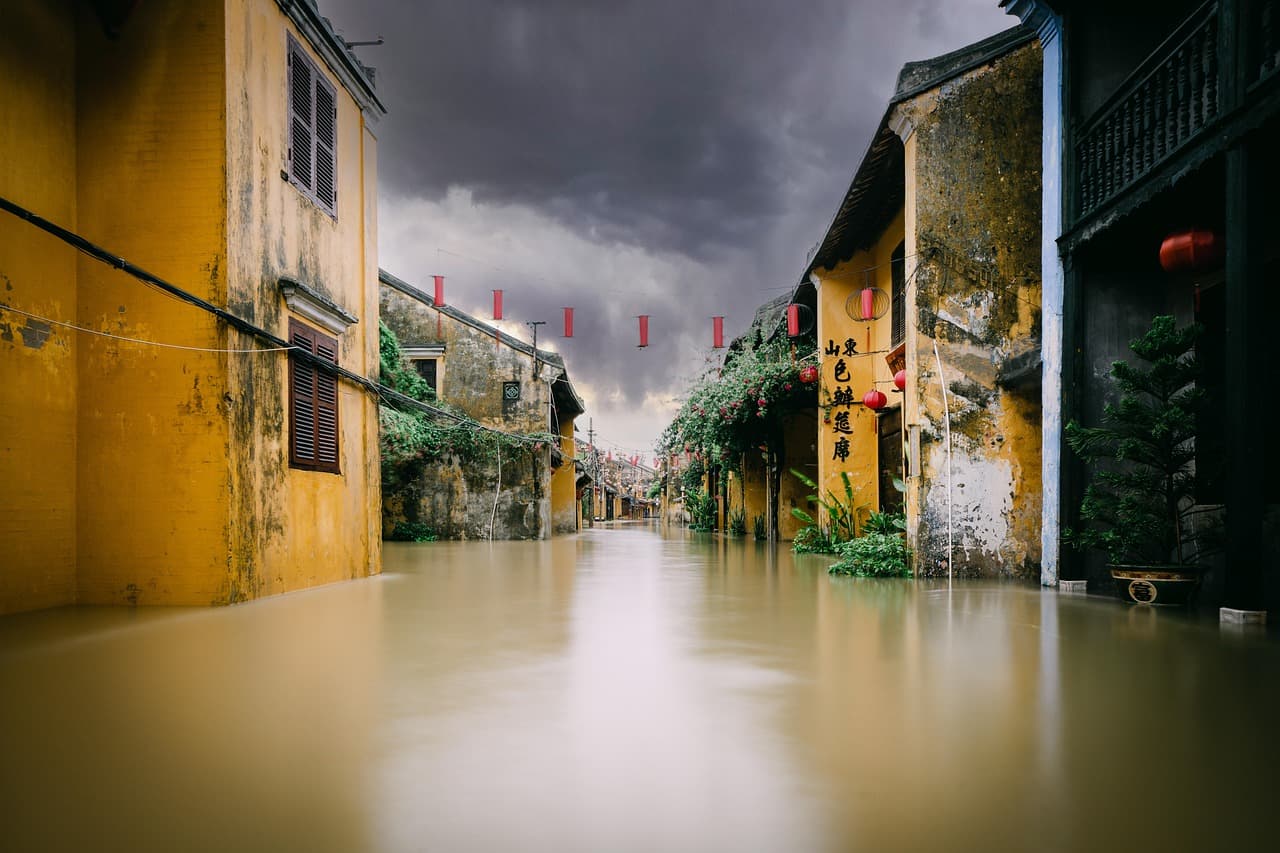
Jilib is al-Shabaab's de facto capital, a town of about 100,000 people that airstrikes cannot overrun. When El Niño last struck Somalia in 2023, it caused the worst floods seen in the country for a century, displacing more than 1.2 million people. Halimo Abdikadir, from Kamsuuma about 10km from the river, remembers the water arriving quickly at night and leaving everything mud, with many animals drowned.
- Arbey Famu, a 70-year-old from Ahmed Yare village, said her maize and sorghum crops are already underwater and that this El Niño will be worse than 2023.
- UN agencies call the Juba River basin an area of particular concern, and the ICRC foresees severe flooding.
- Ali Adan Ali, commissioner for displaced people in Jubaland, identified 327 flood-prone regions, but by October El Niño warnings had only reached half of them.
- Ali says a lack of boats leaves thousands in al-Shabaab territory trapped on the east side of the Juba, unable to reach help in Kismayo. During the 2023 El Niño, 19,000 people were stranded for a week without food, according to Ali.
- Cayni Ali said no sandbags or flood defences have been deployed in Jilib, and that the earth walls built along the river are not big enough.
The strikes compound the exposure. Jethro Norman of the Danish Institute for International Studies said a weaponisation of El Niño would be a reversal of process - using humanitarian remote sensing to inflict casualties rather than to mitigate harm. Analysts have questioned the ethics of the US military allegedly using mapping data from flood-prone areas, conceived to mitigate civilian casualties, to inflict harm.
A widening humanitarian crisis
The floods will arrive on top of severe hunger and displacement. Somalia's aid budget fell from $2.2bn in 2023 to about $300,000 now. A UN-backed famine-monitoring body warns El Niño will deepen Somalia's hunger levels.
- Asho Omar's family of 13 survives on one fish a day, less than 30cm long.
- Habiba Ali, 55, from Jamame, said her family shares one daily meal of maize.
- Shukri Ahmed, 32, president of Galbeed refugee camp, estimates 6,000 people may have died in Kismayo's network of displacement sites since the Trump administration abruptly shut USAID.
- Child malnutrition cases at Kismayo's ICRC-supported hospital have risen 40% this year, according to head nurse Zakaria Mohammed.
- Xaawo Nacdoor fled Jamame at night carrying her 14-month-old daughter Faadumo, who arrived at the hospital weighing 4.1kg and survived, reaching 4.4kg three days later.
- The ICRC treated 205 patients with weapon-related injuries in Kismayo this year, a 43% increase on last year.
A senior al-Shabaab commander was killed in an airstrike on 1 October, a sign the campaign continues. The latest flood advisory for the River Juba urges communities to reinforce weak riverbanks as El Niño strengthens.