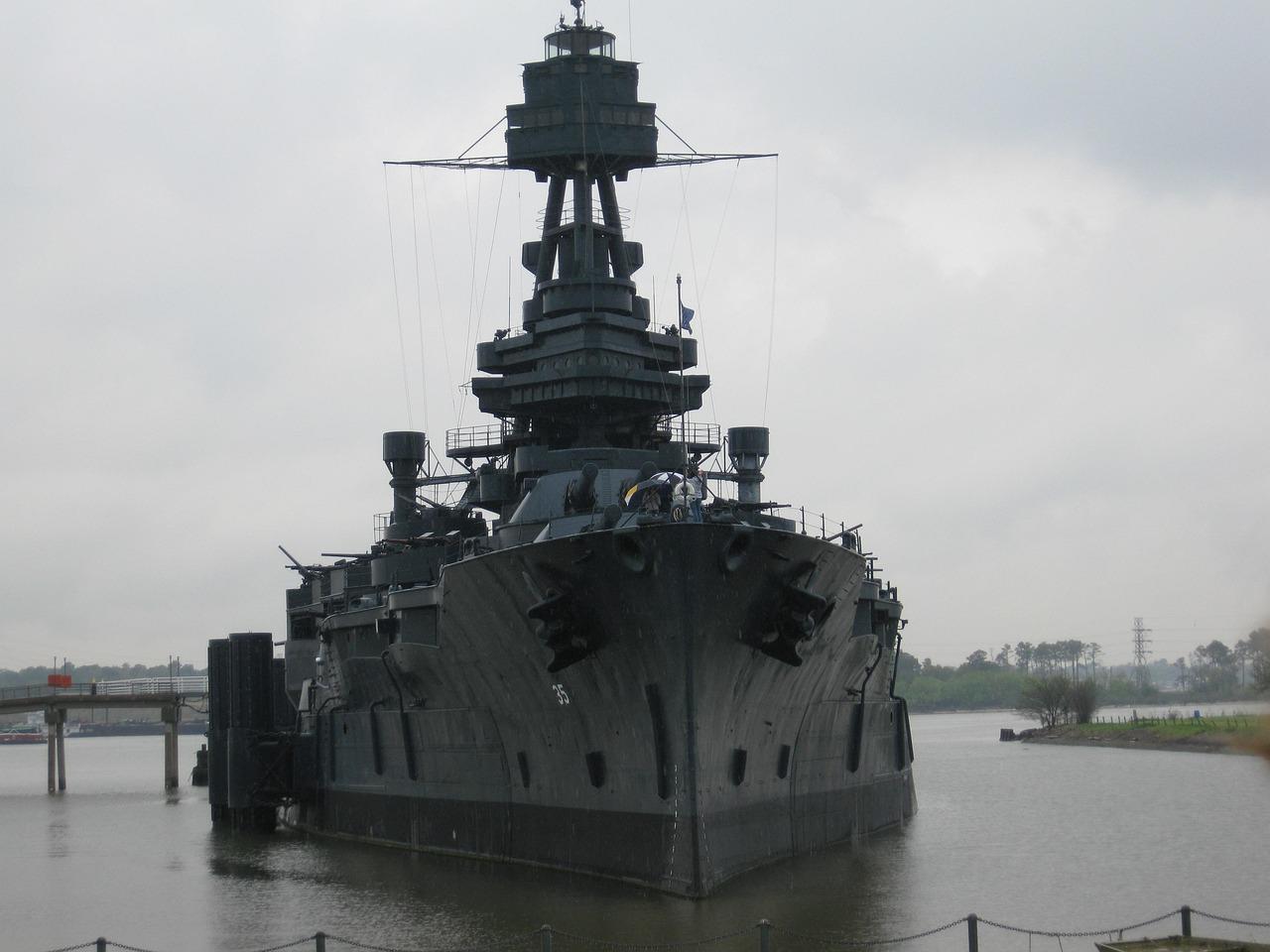
Trump-class battleships drive billions in extra US navy shipbuilding costs, CBO finds
WORLD · SECURITY

Trump-class battleships drive billions in extra US navy shipbuilding costs, CBO finds

The Congressional Budget Office says the US navy's plan to buy 15 Trump-class battleships has pushed shipbuilding costs billions above the navy's own projections, in an analysis of the 2027 shipbuilding plan released to Congress.

By LiveDigestPublished Saturday, November 21, 2026 · 19:07 GMT | 4 min read

Trump-class battleships drive billions in extra US navy shipbuilding costs, CBO finds

01 / SECURITY

Why the plan costs more than the navy projected

An analysis of the navy's 2027 shipbuilding plan by the Congressional Budget Office has put the price of the service's expansion well above what the navy itself projected. The CBO found total shipbuilding costs would average $54bn annually in 2026 dollars over the next 30 years, about 18% more than the navy's own estimates.

The gap, according to the CBO, has two causes: some ship designs proved more complicated to build than first assumed, and earlier estimates were too optimistic - in the office's words, "estimated costs of some ships were unrealistically low in earlier shipbuilding plans".

The plan sits within a much larger ambition. The navy wants to grow its fleet from 286 battle force ships to 381 over the next 30 years.

02 / SECURITY

The battleship decision behind the bill

In the CBO's view, the navy's choice to buy 15 large, heavily armed battleships accounts for much of the extra cost written into the 2027 plan. The office noted that this concentrates firepower in a small number of ships, at odds with the navy's stated goal of distributing capability across the fleet.

President Trump has said the Trump-class battleships will be 100-times more powerful than any previous US warship and will inspire fear in America's enemies worldwide.

The findings and the wider context behind the purchase:

  • Much of the additional cost in the 2027 plan stems from the decision to buy 15 battleships, per the CBO
  • The design concentrates firepower in a few hulls, running against the distribution goal the navy has stated
  • Total shipbuilding costs come in about 18% above navy estimates, averaging $54bn a year in 2026 dollars
  • US naval intelligence puts China's shipbuilding capacity at roughly 232 times America's, and the World Defense Shipbuilding report counted Chinese yards delivering over double the US naval tonnage across 2024 and 2025
03 / SECURITY

Congress pushes back on funding

The finding lands as the programme faces resistance in the Senate. Senate appropriators this week proposed cutting to zero the $1bn the navy sought in advanced procurement this fiscal year for the Trump-class ships.

At the same hearing cycle, acting navy secretary Hung Cao conceded before a Senate confirmation hearing on Wednesday that the Iran war was stretching the fleet's capacity, telling senators the war was a strain on the navy.

Democratic senator Richard Blumenthal pushed back: "the navy has been stretched beyond sustainable limits under your watch, and the fleet is in worse condition".

04 / SECURITY

A fleet stretched by the Iran war

The strain Cao described runs through the wider picture presented to the committee. Deployments that once ran the standard seven months have reached 10 to 11 months since the war began, and sailors have been told such extended tours will stay the norm for years. Ships have also regularly stayed at sea beyond 300 days, with maintenance and repair deferred to keep them deployed.

The Pacific has felt the sharpest gap. Between August and November, for only the second time in two decades, no US carrier group sailed there. That changed on Wednesday when the USS George Washington came back from the Middle East, closing out an unusual three-month stretch in which no American carrier was anywhere in the Pacific; the ship has since resumed routine operations in the Asia-Pacific region under US Pacific fleet control.

The commercial cost of the war is also mounting. Cao told the Senate that a year ago it cost $54,000 to insure a commercial ship for a single Strait of Hormuz crossing - a figure he put at $64m today. Traffic through the strait has yet to recover: the latest UK Maritime Trade Operations weekly report puts it about 65% under what it was before American and Israeli strikes on Iran began on 28 February.

Other measures presented at the hearing and in surrounding reporting:

  • The USS Abraham Lincoln went 265 days at sea, the longest a navy ship has gone without visiting a port
  • Naval planners follow a 'rule of threes': three platforms are needed to keep one permanently deployed - one on station, one training, one in maintenance

The navy can just about manage its commitments under Aukus, in the Indo-Pacific, Nato and the Middle East, but there is zero spare capacity, according to Kevin Rowlands of the Royal United Services Institute. Rowlands said the overstretch is critical but manageable for now, and that the real problems will arise further down the line if the war continues, as every long deployment will have a knock-on effect on future maintenance and personnel.

The immediate next step sits with Congress, where Senate appropriators have proposed cutting to zero the $1bn the navy sought this fiscal year in advanced procurement for the Trump-class ships.


Trump-class battleships drive billions in extra US navy shipbuilding costs, CBO finds
WORLD · SECURITY

Trump-class battleships drive billions in extra US navy shipbuilding costs, CBO finds

The Congressional Budget Office says the US navy's plan to buy 15 Trump-class battleships has pushed shipbuilding costs billions above the navy's own projections, in an analysis of the 2027 shipbuilding plan released to Congress.

By LiveDigestPublished Saturday, November 21, 2026 · 19:07 GMT | 4 min read

Trump-class battleships drive billions in extra US navy shipbuilding costs, CBO finds

01 / SECURITY

Why the plan costs more than the navy projected

An analysis of the navy's 2027 shipbuilding plan by the Congressional Budget Office has put the price of the service's expansion well above what the navy itself projected. The CBO found total shipbuilding costs would average $54bn annually in 2026 dollars over the next 30 years, about 18% more than the navy's own estimates.

The gap, according to the CBO, has two causes: some ship designs proved more complicated to build than first assumed, and earlier estimates were too optimistic - in the office's words, "estimated costs of some ships were unrealistically low in earlier shipbuilding plans".

The plan sits within a much larger ambition. The navy wants to grow its fleet from 286 battle force ships to 381 over the next 30 years.

02 / SECURITY

The battleship decision behind the bill

In the CBO's view, the navy's choice to buy 15 large, heavily armed battleships accounts for much of the extra cost written into the 2027 plan. The office noted that this concentrates firepower in a small number of ships, at odds with the navy's stated goal of distributing capability across the fleet.

President Trump has said the Trump-class battleships will be 100-times more powerful than any previous US warship and will inspire fear in America's enemies worldwide.

The findings and the wider context behind the purchase:

  • Much of the additional cost in the 2027 plan stems from the decision to buy 15 battleships, per the CBO
  • The design concentrates firepower in a few hulls, running against the distribution goal the navy has stated
  • Total shipbuilding costs come in about 18% above navy estimates, averaging $54bn a year in 2026 dollars
  • US naval intelligence puts China's shipbuilding capacity at roughly 232 times America's, and the World Defense Shipbuilding report counted Chinese yards delivering over double the US naval tonnage across 2024 and 2025
03 / SECURITY

Congress pushes back on funding

The finding lands as the programme faces resistance in the Senate. Senate appropriators this week proposed cutting to zero the $1bn the navy sought in advanced procurement this fiscal year for the Trump-class ships.

At the same hearing cycle, acting navy secretary Hung Cao conceded before a Senate confirmation hearing on Wednesday that the Iran war was stretching the fleet's capacity, telling senators the war was a strain on the navy.

Democratic senator Richard Blumenthal pushed back: "the navy has been stretched beyond sustainable limits under your watch, and the fleet is in worse condition".

04 / SECURITY

A fleet stretched by the Iran war

The strain Cao described runs through the wider picture presented to the committee. Deployments that once ran the standard seven months have reached 10 to 11 months since the war began, and sailors have been told such extended tours will stay the norm for years. Ships have also regularly stayed at sea beyond 300 days, with maintenance and repair deferred to keep them deployed.

The Pacific has felt the sharpest gap. Between August and November, for only the second time in two decades, no US carrier group sailed there. That changed on Wednesday when the USS George Washington came back from the Middle East, closing out an unusual three-month stretch in which no American carrier was anywhere in the Pacific; the ship has since resumed routine operations in the Asia-Pacific region under US Pacific fleet control.

The commercial cost of the war is also mounting. Cao told the Senate that a year ago it cost $54,000 to insure a commercial ship for a single Strait of Hormuz crossing - a figure he put at $64m today. Traffic through the strait has yet to recover: the latest UK Maritime Trade Operations weekly report puts it about 65% under what it was before American and Israeli strikes on Iran began on 28 February.

Other measures presented at the hearing and in surrounding reporting:

  • The USS Abraham Lincoln went 265 days at sea, the longest a navy ship has gone without visiting a port
  • Naval planners follow a 'rule of threes': three platforms are needed to keep one permanently deployed - one on station, one training, one in maintenance

The navy can just about manage its commitments under Aukus, in the Indo-Pacific, Nato and the Middle East, but there is zero spare capacity, according to Kevin Rowlands of the Royal United Services Institute. Rowlands said the overstretch is critical but manageable for now, and that the real problems will arise further down the line if the war continues, as every long deployment will have a knock-on effect on future maintenance and personnel.

The immediate next step sits with Congress, where Senate appropriators have proposed cutting to zero the $1bn the navy sought this fiscal year in advanced procurement for the Trump-class ships.
Trump-class battleships drive billions in extra US navy shipbuilding costs, CBO finds
WORLD · SECURITY

Trump-class battleships drive billions in extra US navy shipbuilding costs, CBO finds

By LiveDigest

Trump-class battleships drive billions in extra US navy shipbuilding costs, CBO finds

01 / SECURITY

Why the plan costs more than the navy projected

An analysis of the navy's 2027 shipbuilding plan by the Congressional Budget Office has put the price of the service's expansion well above what the navy itself projected. The CBO found total shipbuilding costs would average $54bn annually in 2026 dollars over the next 30 years, about 18% more than the navy's own estimates.

The gap, according to the CBO, has two causes: some ship designs proved more complicated to build than first assumed, and earlier estimates were too optimistic - in the office's words, "estimated costs of some ships were unrealistically low in earlier shipbuilding plans".

The plan sits within a much larger ambition. The navy wants to grow its fleet from 286 battle force ships to 381 over the next 30 years.

02 / SECURITY

The battleship decision behind the bill

In the CBO's view, the navy's choice to buy 15 large, heavily armed battleships accounts for much of the extra cost written into the 2027 plan. The office noted that this concentrates firepower in a small number of ships, at odds with the navy's stated goal of distributing capability across the fleet.

President Trump has said the Trump-class battleships will be 100-times more powerful than any previous US warship and will inspire fear in America's enemies worldwide.

The findings and the wider context behind the purchase:

  • Much of the additional cost in the 2027 plan stems from the decision to buy 15 battleships, per the CBO
  • The design concentrates firepower in a few hulls, running against the distribution goal the navy has stated
  • Total shipbuilding costs come in about 18% above navy estimates, averaging $54bn a year in 2026 dollars
  • US naval intelligence puts China's shipbuilding capacity at roughly 232 times America's, and the World Defense Shipbuilding report counted Chinese yards delivering over double the US naval tonnage across 2024 and 2025
03 / SECURITY

Congress pushes back on funding

The finding lands as the programme faces resistance in the Senate. Senate appropriators this week proposed cutting to zero the $1bn the navy sought in advanced procurement this fiscal year for the Trump-class ships.

At the same hearing cycle, acting navy secretary Hung Cao conceded before a Senate confirmation hearing on Wednesday that the Iran war was stretching the fleet's capacity, telling senators the war was a strain on the navy.

Democratic senator Richard Blumenthal pushed back: "the navy has been stretched beyond sustainable limits under your watch, and the fleet is in worse condition".

04 / SECURITY

A fleet stretched by the Iran war

The strain Cao described runs through the wider picture presented to the committee. Deployments that once ran the standard seven months have reached 10 to 11 months since the war began, and sailors have been told such extended tours will stay the norm for years. Ships have also regularly stayed at sea beyond 300 days, with maintenance and repair deferred to keep them deployed.

The Pacific has felt the sharpest gap. Between August and November, for only the second time in two decades, no US carrier group sailed there. That changed on Wednesday when the USS George Washington came back from the Middle East, closing out an unusual three-month stretch in which no American carrier was anywhere in the Pacific; the ship has since resumed routine operations in the Asia-Pacific region under US Pacific fleet control.

The commercial cost of the war is also mounting. Cao told the Senate that a year ago it cost $54,000 to insure a commercial ship for a single Strait of Hormuz crossing - a figure he put at $64m today. Traffic through the strait has yet to recover: the latest UK Maritime Trade Operations weekly report puts it about 65% under what it was before American and Israeli strikes on Iran began on 28 February.

Other measures presented at the hearing and in surrounding reporting:

  • The USS Abraham Lincoln went 265 days at sea, the longest a navy ship has gone without visiting a port
  • Naval planners follow a 'rule of threes': three platforms are needed to keep one permanently deployed - one on station, one training, one in maintenance

The navy can just about manage its commitments under Aukus, in the Indo-Pacific, Nato and the Middle East, but there is zero spare capacity, according to Kevin Rowlands of the Royal United Services Institute. Rowlands said the overstretch is critical but manageable for now, and that the real problems will arise further down the line if the war continues, as every long deployment will have a knock-on effect on future maintenance and personnel.

The immediate next step sits with Congress, where Senate appropriators have proposed cutting to zero the $1bn the navy sought this fiscal year in advanced procurement for the Trump-class ships.