Saudi Arabia Yemen Houthis: allies lash out after Bab al-Mandab withdrawal and commander sacked
WORLD · SECURITY

Saudi Arabia Yemen Houthis: allies lash out after Bab al-Mandab withdrawal and commander sacked

Saudi Arabia's handling of the war against the Houthis in Yemen drew accusations from its own allies after government forces abandoned the Bab al-Mandab strait and parts of Marib, and Riyadh replaced its coalition commander.

By LiveDigestPublished Monday, November 16, 2026 · 19:52 GMT | 4 min read

Saudi Arabia Yemen Houthis: allies lash out after Bab al-Mandab withdrawal and commander sacked

Saudi Arabia's Yemeni allies have accused Riyadh of incompetence in its war against the Houthis after troops loyal to the Saudi-backed government pulled out of the strategic Bab al-Mandab strait and retreated from parts of Marib, ceding ground in Yemen. The setback prompted a change at the top of the coalition command, while the exiled leadership of Yemen's southern secessionist movement demanded political concessions in exchange for reconciliation.

01 / SECURITY

Withdrawal from Bab al-Mandab

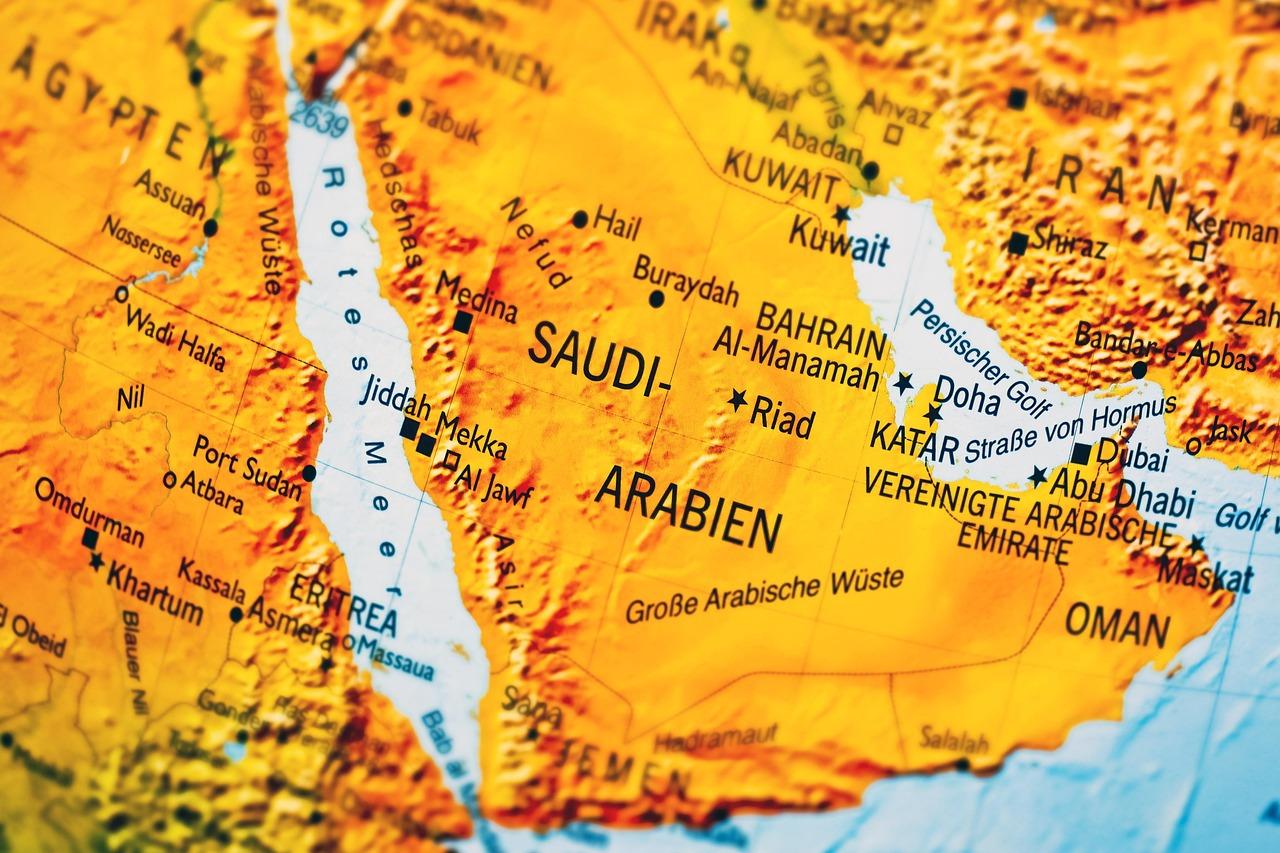
The Houthi advance towards Bab al-Mandab, the strait on Yemen's west coast that links the Red Sea with the Indian Ocean, culminated on Sunday with a formal withdrawal of Yemeni government forces. Among the units pulling out were members of the Southern Giants Brigades, some of whom were reluctant to defend territory outside the borders of the old southern Yemen.

The forces redeploying on Sunday moved along the coast to al-Suqyah, a position 95 miles west of Aden and inside the old Southern Yemen.

  • The withdrawal was formal, completed on Sunday
  • It covered the Bab al-Mandab strait area on Yemen's west coast
  • Repositioned troops relocated to al-Suqyah, 95 miles west of Aden
02 / SECURITY

Why the front lines moved

The Saudi-backed government defended the repositioning, saying its strategic priority was to break the attritional siege on Taiz, Yemen's third city, and to protect Aden, where the UN-recognised government is based. The retreat, however, came despite a fresh military campaign launched 42 days ago to drive the Houthis from Yemen, an effort that has so far backfired.

The cost has fallen heavily on civilians: more than 300,000 Yemenis have been displaced.

03 / SECURITY

Southern divisions behind the retreat

The inclusion of Southern Giants Brigades units in the withdrawal underlined the fractures among the forces backing the Aden-based government. Many blame the Houthi advance on the absence of a consolidated military command and control among these disparate factions.

The secessionist undercurrent runs deep: Yemen was divided in two until 1990, and many in the south want to return to a separated state. The Southern Transitional Council, which champions that cause, is backed by the United Arab Emirates and opposed by Saudi Arabia, and the breadth of its support remains disputed. The movement suffered a near-fatal setback in January, and since then some of the Giants Brigades have switched to backing Riyadh.

04 / SECURITY

Saudi response and allied criticism

Riyadh's answer to the losses was to remove Lt Gen Fahd bin Abdulaziz al-Salman from his post at the head of the Yemen coalition and hand the job to Gen Fayyad bin Hamed bin Ruqad al-Ruwaili, previously chief of staff.

The sharpest criticism came from Amr al-Bidh, special representative of exiled Southern Transitional Council leader Aidarous al-Zubaidi, who accused the Saudis of incompetence and warned that Riyadh would lack cohesive forces to stop the Houthis becoming a permanent security threat unless it became more open to a southern state.

"The STC will defend the south to the last man but we are fighting with one hand behind our backs since January"

Al-Bidh said the Southern Transitional Council had been fighting constrained by Saudi attacks on it since January. He insisted the movement retains credible capability on the ground but needs practical and political support from the region, including full recognition of a pathway towards southern independence in any negotiated settlement.

His demands for reconciliation were specific: Riyadh would need to acknowledge al-Zubaidi's January political declaration setting out a timetable for a southern state, and al-Zubaidi's return from exile would boost morale and help unify southern military factions. Saudi Arabia is currently keeping as many as 10 STC leaders in Riyadh and has refused to let al-Zubaidi return from exile in Abu Dhabi.

Al-Bidh also argued that the military priority should be defensive - avoiding counteroffensives that backfire, improving command and control, and widening the coalition - and dismissed a recent Yemeni government cabinet reshuffle, including a new information minister, as designed mainly to draw southerners into fighting the Houthis rather than to change policy towards the south.

Looking beyond Riyadh, al-Bidh urged the UK to use its diplomacy to bring in other actors rather than simply backing Saudi Arabia. A group of southern Yemenis has written to foreign secretary Ed Miliband seeking a review of UK policy, arguing that every British call for Yemen's unity asks southerners to fight for a political outcome in which they do not believe.


Saudi Arabia Yemen Houthis: allies lash out after Bab al-Mandab withdrawal and commander sacked
WORLD · SECURITY

Saudi Arabia Yemen Houthis: allies lash out after Bab al-Mandab withdrawal and commander sacked

Saudi Arabia's handling of the war against the Houthis in Yemen drew accusations from its own allies after government forces abandoned the Bab al-Mandab strait and parts of Marib, and Riyadh replaced its coalition commander.

By LiveDigestPublished Monday, November 16, 2026 · 19:52 GMT | 4 min read

Saudi Arabia Yemen Houthis: allies lash out after Bab al-Mandab withdrawal and commander sacked

Saudi Arabia's Yemeni allies have accused Riyadh of incompetence in its war against the Houthis after troops loyal to the Saudi-backed government pulled out of the strategic Bab al-Mandab strait and retreated from parts of Marib, ceding ground in Yemen. The setback prompted a change at the top of the coalition command, while the exiled leadership of Yemen's southern secessionist movement demanded political concessions in exchange for reconciliation.

01 / SECURITY

Withdrawal from Bab al-Mandab

The Houthi advance towards Bab al-Mandab, the strait on Yemen's west coast that links the Red Sea with the Indian Ocean, culminated on Sunday with a formal withdrawal of Yemeni government forces. Among the units pulling out were members of the Southern Giants Brigades, some of whom were reluctant to defend territory outside the borders of the old southern Yemen.

The forces redeploying on Sunday moved along the coast to al-Suqyah, a position 95 miles west of Aden and inside the old Southern Yemen.

  • The withdrawal was formal, completed on Sunday
  • It covered the Bab al-Mandab strait area on Yemen's west coast
  • Repositioned troops relocated to al-Suqyah, 95 miles west of Aden
02 / SECURITY

Why the front lines moved

The Saudi-backed government defended the repositioning, saying its strategic priority was to break the attritional siege on Taiz, Yemen's third city, and to protect Aden, where the UN-recognised government is based. The retreat, however, came despite a fresh military campaign launched 42 days ago to drive the Houthis from Yemen, an effort that has so far backfired.

The cost has fallen heavily on civilians: more than 300,000 Yemenis have been displaced.

03 / SECURITY

Southern divisions behind the retreat

The inclusion of Southern Giants Brigades units in the withdrawal underlined the fractures among the forces backing the Aden-based government. Many blame the Houthi advance on the absence of a consolidated military command and control among these disparate factions.

The secessionist undercurrent runs deep: Yemen was divided in two until 1990, and many in the south want to return to a separated state. The Southern Transitional Council, which champions that cause, is backed by the United Arab Emirates and opposed by Saudi Arabia, and the breadth of its support remains disputed. The movement suffered a near-fatal setback in January, and since then some of the Giants Brigades have switched to backing Riyadh.

04 / SECURITY

Saudi response and allied criticism

Riyadh's answer to the losses was to remove Lt Gen Fahd bin Abdulaziz al-Salman from his post at the head of the Yemen coalition and hand the job to Gen Fayyad bin Hamed bin Ruqad al-Ruwaili, previously chief of staff.

The sharpest criticism came from Amr al-Bidh, special representative of exiled Southern Transitional Council leader Aidarous al-Zubaidi, who accused the Saudis of incompetence and warned that Riyadh would lack cohesive forces to stop the Houthis becoming a permanent security threat unless it became more open to a southern state.

Al-Bidh said the Southern Transitional Council had been fighting constrained by Saudi attacks on it since January. He insisted the movement retains credible capability on the ground but needs practical and political support from the region, including full recognition of a pathway towards southern independence in any negotiated settlement.

His demands for reconciliation were specific: Riyadh would need to acknowledge al-Zubaidi's January political declaration setting out a timetable for a southern state, and al-Zubaidi's return from exile would boost morale and help unify southern military factions. Saudi Arabia is currently keeping as many as 10 STC leaders in Riyadh and has refused to let al-Zubaidi return from exile in Abu Dhabi.

Al-Bidh also argued that the military priority should be defensive - avoiding counteroffensives that backfire, improving command and control, and widening the coalition - and dismissed a recent Yemeni government cabinet reshuffle, including a new information minister, as designed mainly to draw southerners into fighting the Houthis rather than to change policy towards the south.

Looking beyond Riyadh, al-Bidh urged the UK to use its diplomacy to bring in other actors rather than simply backing Saudi Arabia. A group of southern Yemenis has written to foreign secretary Ed Miliband seeking a review of UK policy, arguing that every British call for Yemen's unity asks southerners to fight for a political outcome in which they do not believe.

"The STC will defend the south to the last man but we are fighting with one hand behind our backs since January"
Saudi Arabia Yemen Houthis: allies lash out after Bab al-Mandab withdrawal and commander sacked
WORLD · SECURITY

Saudi Arabia Yemen Houthis: allies lash out after Bab al-Mandab withdrawal and commander sacked

By LiveDigest

Saudi Arabia Yemen Houthis: allies lash out after Bab al-Mandab withdrawal and commander sacked

Saudi Arabia's Yemeni allies have accused Riyadh of incompetence in its war against the Houthis after troops loyal to the Saudi-backed government pulled out of the strategic Bab al-Mandab strait and retreated from parts of Marib, ceding ground in Yemen. The setback prompted a change at the top of the coalition command, while the exiled leadership of Yemen's southern secessionist movement demanded political concessions in exchange for reconciliation.

01 / SECURITY

Withdrawal from Bab al-Mandab

The Houthi advance towards Bab al-Mandab, the strait on Yemen's west coast that links the Red Sea with the Indian Ocean, culminated on Sunday with a formal withdrawal of Yemeni government forces. Among the units pulling out were members of the Southern Giants Brigades, some of whom were reluctant to defend territory outside the borders of the old southern Yemen.

The forces redeploying on Sunday moved along the coast to al-Suqyah, a position 95 miles west of Aden and inside the old Southern Yemen.

  • The withdrawal was formal, completed on Sunday
  • It covered the Bab al-Mandab strait area on Yemen's west coast
  • Repositioned troops relocated to al-Suqyah, 95 miles west of Aden
02 / SECURITY

Why the front lines moved

The Saudi-backed government defended the repositioning, saying its strategic priority was to break the attritional siege on Taiz, Yemen's third city, and to protect Aden, where the UN-recognised government is based. The retreat, however, came despite a fresh military campaign launched 42 days ago to drive the Houthis from Yemen, an effort that has so far backfired.

The cost has fallen heavily on civilians: more than 300,000 Yemenis have been displaced.

03 / SECURITY

Southern divisions behind the retreat

The inclusion of Southern Giants Brigades units in the withdrawal underlined the fractures among the forces backing the Aden-based government. Many blame the Houthi advance on the absence of a consolidated military command and control among these disparate factions.

The secessionist undercurrent runs deep: Yemen was divided in two until 1990, and many in the south want to return to a separated state. The Southern Transitional Council, which champions that cause, is backed by the United Arab Emirates and opposed by Saudi Arabia, and the breadth of its support remains disputed. The movement suffered a near-fatal setback in January, and since then some of the Giants Brigades have switched to backing Riyadh.

04 / SECURITY

Saudi response and allied criticism

Riyadh's answer to the losses was to remove Lt Gen Fahd bin Abdulaziz al-Salman from his post at the head of the Yemen coalition and hand the job to Gen Fayyad bin Hamed bin Ruqad al-Ruwaili, previously chief of staff.

The sharpest criticism came from Amr al-Bidh, special representative of exiled Southern Transitional Council leader Aidarous al-Zubaidi, who accused the Saudis of incompetence and warned that Riyadh would lack cohesive forces to stop the Houthis becoming a permanent security threat unless it became more open to a southern state.

Al-Bidh said the Southern Transitional Council had been fighting constrained by Saudi attacks on it since January. He insisted the movement retains credible capability on the ground but needs practical and political support from the region, including full recognition of a pathway towards southern independence in any negotiated settlement.

His demands for reconciliation were specific: Riyadh would need to acknowledge al-Zubaidi's January political declaration setting out a timetable for a southern state, and al-Zubaidi's return from exile would boost morale and help unify southern military factions. Saudi Arabia is currently keeping as many as 10 STC leaders in Riyadh and has refused to let al-Zubaidi return from exile in Abu Dhabi.

Al-Bidh also argued that the military priority should be defensive - avoiding counteroffensives that backfire, improving command and control, and widening the coalition - and dismissed a recent Yemeni government cabinet reshuffle, including a new information minister, as designed mainly to draw southerners into fighting the Houthis rather than to change policy towards the south.

Looking beyond Riyadh, al-Bidh urged the UK to use its diplomacy to bring in other actors rather than simply backing Saudi Arabia. A group of southern Yemenis has written to foreign secretary Ed Miliband seeking a review of UK policy, arguing that every British call for Yemen's unity asks southerners to fight for a political outcome in which they do not believe.

"The STC will defend the south to the last man but we are fighting with one hand behind our backs since January"