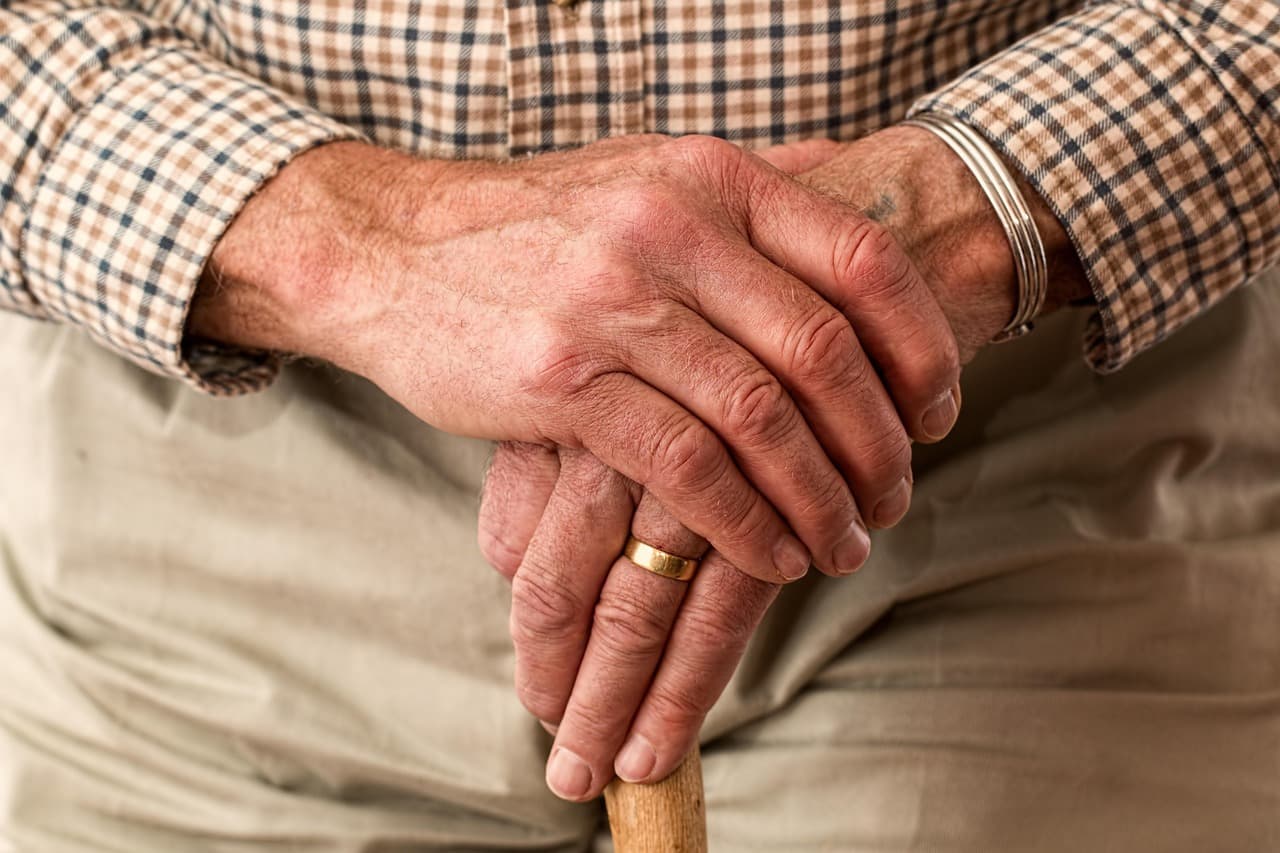
Elderly voters Brazil election: how older Brazilians powered Lula's runoff comeback
WORLD · ELECTIONS

Elderly voters Brazil election: how older Brazilians powered Lula's runoff comeback

More than 1 million elderly Brazilians who skipped the 4 October first round voted in the runoff, helping Luiz Inácio Lula da Silva become the first first-round loser since the return of democracy in the 1980s to win the presidency - his historic fourth term.

By LiveDigestPublished Thursday, November 5, 2026 · 12:07 GMT | 4 min read

Elderly voters Brazil election: how older Brazilians powered Lula's runoff comeback

01 / ELECTIONS

A 101-year-old climbs the stairs to vote

Celia de Oliveira Soares, a 101-year-old retired bank employee from Rio de Janeiro, had not voted in nearly a decade and had spent months without leaving her home. On 25 October that changed: relatives brought the great-grandmother by wheelchair to a school serving as a polling station, and, holding the banister, she climbed two flights of stairs to the booth alongside her granddaughter's husband, Marcio Marques. There she keyed the number 13 - the ballot number of Luiz Inácio Lula da Silva - into an electronic voting machine.

Soares explained her reasons simply.

"I like Lula. I really do!"

She added that she did not like Bolsonaro or his father, and that this was why she had gone out to cast her ballot.

02 / ELECTIONS

The numbers behind the comeback

Soares was one of more than 1 million elderly people who, having missed the election's 4 October first round - which Lula lost - decided to vote in the second round. What followed was without precedent in modern Brazil:

  • Lula took 10.3 million extra votes between the first and second rounds, and explanations being examined include increased welfare benefits, digital mobilisation and street protests.
  • Of the 3 million extra voters who took part in the second round after skipping the first, 1.4 million were over 70, and pre-election polls suggested they leaned toward Lula.
  • Never since the return of democracy in the 1980s had the first-round loser bounced back to win the runoff - Lula did just that, securing a historic fourth term.

The scale of the elderly vote extended beyond Rio. In Brazil's north-east, where Lula was born into rural poverty in the 1940s, a 114-year-old retiree named Josefa Pereira da Conceição went to vote wearing a red T-shirt emblazoned with Lula's face and the slogan "Strength of the people".

03 / ELECTIONS

Voices from the celebration

The images of elderly voters leaving home to vote moved Lula himself. Speaking at his 81st birthday party, he fought back tears as he thanked older Brazilians.

"I honestly think it was the most powerful and human image I've ever seen during an election," Lula said.

At the victory celebration, former minister Simone Tebet framed the result as a triumph across the generations.

"Young people hit the streets and golden-agers saved our democracy."
04 / ELECTIONS

Why they voted, and what analysts say

Voting is only mandatory in Brazil for those aged 18 to 69, so every voter over that age who turned out did so by choice. Soares's own memories stretch far back: she was 12 in 1937, and recalled that Jair Bolsonaro's father wanted a coup like Getúlio Vargas's - one that would let him stay on as president, as she put it - and she lived through eight years of dictatorial rule.

Her family says other motives played a part too. Marques, who is 51, said Soares criticised Bolsonaro's handling of vaccination during the Covid pandemic, which killed 700,000 Brazilians. And the switch ran through the family: Marques said his 85-year-old father, Helço Muniz, also voted for Lula - in his case for the first time.

Political journalist José Roberto de Toledo said there was concrete evidence of higher turnout among voters aged 60 to 79.

"It really happened – and it was a movement you can measure statistically."

Toledo, however, did not think age was the main explanation for the swing. In his view the shift to Lula was mostly explained by fear: a first-round protest vote became a safety or lower-risk vote in the second. He also believed Bolsonaro alienated voters with arrogant behaviour after winning the first round - particularly his vow to "re-democratise" a country that was already democratic, which stoked fears he aspired to be Brazil's emperor.

05 / ELECTIONS

Five days later

Five days after the election, Soares said she was excited about Lula's fourth and final term. The lathe operator turned president first took office in 2003, and Soares - who has lived through four coups, 16 presidential elections and four Lula wins - said she had been fond of him ever since he was poor.


Elderly voters Brazil election: how older Brazilians powered Lula's runoff comeback
WORLD · ELECTIONS

Elderly voters Brazil election: how older Brazilians powered Lula's runoff comeback

More than 1 million elderly Brazilians who skipped the 4 October first round voted in the runoff, helping Luiz Inácio Lula da Silva become the first first-round loser since the return of democracy in the 1980s to win the presidency - his historic fourth term.

By LiveDigestPublished Thursday, November 5, 2026 · 12:07 GMT | 4 min read

Elderly voters Brazil election: how older Brazilians powered Lula's runoff comeback

01 / ELECTIONS

A 101-year-old climbs the stairs to vote

Celia de Oliveira Soares, a 101-year-old retired bank employee from Rio de Janeiro, had not voted in nearly a decade and had spent months without leaving her home. On 25 October that changed: relatives brought the great-grandmother by wheelchair to a school serving as a polling station, and, holding the banister, she climbed two flights of stairs to the booth alongside her granddaughter's husband, Marcio Marques. There she keyed the number 13 - the ballot number of Luiz Inácio Lula da Silva - into an electronic voting machine.

Soares explained her reasons simply.

She added that she did not like Bolsonaro or his father, and that this was why she had gone out to cast her ballot.

"I like Lula. I really do!"
02 / ELECTIONS

The numbers behind the comeback

Soares was one of more than 1 million elderly people who, having missed the election's 4 October first round - which Lula lost - decided to vote in the second round. What followed was without precedent in modern Brazil:

  • Lula took 10.3 million extra votes between the first and second rounds, and explanations being examined include increased welfare benefits, digital mobilisation and street protests.
  • Of the 3 million extra voters who took part in the second round after skipping the first, 1.4 million were over 70, and pre-election polls suggested they leaned toward Lula.
  • Never since the return of democracy in the 1980s had the first-round loser bounced back to win the runoff - Lula did just that, securing a historic fourth term.

The scale of the elderly vote extended beyond Rio. In Brazil's north-east, where Lula was born into rural poverty in the 1940s, a 114-year-old retiree named Josefa Pereira da Conceição went to vote wearing a red T-shirt emblazoned with Lula's face and the slogan "Strength of the people".

03 / ELECTIONS

Voices from the celebration

The images of elderly voters leaving home to vote moved Lula himself. Speaking at his 81st birthday party, he fought back tears as he thanked older Brazilians.

At the victory celebration, former minister Simone Tebet framed the result as a triumph across the generations.

"I honestly think it was the most powerful and human image I've ever seen during an election," Lula said.
"Young people hit the streets and golden-agers saved our democracy."
04 / ELECTIONS

Why they voted, and what analysts say

Voting is only mandatory in Brazil for those aged 18 to 69, so every voter over that age who turned out did so by choice. Soares's own memories stretch far back: she was 12 in 1937, and recalled that Jair Bolsonaro's father wanted a coup like Getúlio Vargas's - one that would let him stay on as president, as she put it - and she lived through eight years of dictatorial rule.

Her family says other motives played a part too. Marques, who is 51, said Soares criticised Bolsonaro's handling of vaccination during the Covid pandemic, which killed 700,000 Brazilians. And the switch ran through the family: Marques said his 85-year-old father, Helço Muniz, also voted for Lula - in his case for the first time.

Political journalist José Roberto de Toledo said there was concrete evidence of higher turnout among voters aged 60 to 79.

Toledo, however, did not think age was the main explanation for the swing. In his view the shift to Lula was mostly explained by fear: a first-round protest vote became a safety or lower-risk vote in the second. He also believed Bolsonaro alienated voters with arrogant behaviour after winning the first round - particularly his vow to "re-democratise" a country that was already democratic, which stoked fears he aspired to be Brazil's emperor.

"It really happened – and it was a movement you can measure statistically."
05 / ELECTIONS

Five days later

Five days after the election, Soares said she was excited about Lula's fourth and final term. The lathe operator turned president first took office in 2003, and Soares - who has lived through four coups, 16 presidential elections and four Lula wins - said she had been fond of him ever since he was poor.

Elderly voters Brazil election: how older Brazilians powered Lula's runoff comeback
WORLD · ELECTIONS

Elderly voters Brazil election: how older Brazilians powered Lula's runoff comeback

By LiveDigest

Elderly voters Brazil election: how older Brazilians powered Lula's runoff comeback

01 / ELECTIONS

A 101-year-old climbs the stairs to vote

Celia de Oliveira Soares, a 101-year-old retired bank employee from Rio de Janeiro, had not voted in nearly a decade and had spent months without leaving her home. On 25 October that changed: relatives brought the great-grandmother by wheelchair to a school serving as a polling station, and, holding the banister, she climbed two flights of stairs to the booth alongside her granddaughter's husband, Marcio Marques. There she keyed the number 13 - the ballot number of Luiz Inácio Lula da Silva - into an electronic voting machine.

Soares explained her reasons simply.

She added that she did not like Bolsonaro or his father, and that this was why she had gone out to cast her ballot.

"I like Lula. I really do!"
02 / ELECTIONS

The numbers behind the comeback

Soares was one of more than 1 million elderly people who, having missed the election's 4 October first round - which Lula lost - decided to vote in the second round. What followed was without precedent in modern Brazil:

  • Lula took 10.3 million extra votes between the first and second rounds, and explanations being examined include increased welfare benefits, digital mobilisation and street protests.
  • Of the 3 million extra voters who took part in the second round after skipping the first, 1.4 million were over 70, and pre-election polls suggested they leaned toward Lula.
  • Never since the return of democracy in the 1980s had the first-round loser bounced back to win the runoff - Lula did just that, securing a historic fourth term.

The scale of the elderly vote extended beyond Rio. In Brazil's north-east, where Lula was born into rural poverty in the 1940s, a 114-year-old retiree named Josefa Pereira da Conceição went to vote wearing a red T-shirt emblazoned with Lula's face and the slogan "Strength of the people".

03 / ELECTIONS

Voices from the celebration

The images of elderly voters leaving home to vote moved Lula himself. Speaking at his 81st birthday party, he fought back tears as he thanked older Brazilians.

At the victory celebration, former minister Simone Tebet framed the result as a triumph across the generations.

"I honestly think it was the most powerful and human image I've ever seen during an election," Lula said.
"Young people hit the streets and golden-agers saved our democracy."
04 / ELECTIONS

Why they voted, and what analysts say

Voting is only mandatory in Brazil for those aged 18 to 69, so every voter over that age who turned out did so by choice. Soares's own memories stretch far back: she was 12 in 1937, and recalled that Jair Bolsonaro's father wanted a coup like Getúlio Vargas's - one that would let him stay on as president, as she put it - and she lived through eight years of dictatorial rule.

Her family says other motives played a part too. Marques, who is 51, said Soares criticised Bolsonaro's handling of vaccination during the Covid pandemic, which killed 700,000 Brazilians. And the switch ran through the family: Marques said his 85-year-old father, Helço Muniz, also voted for Lula - in his case for the first time.

Political journalist José Roberto de Toledo said there was concrete evidence of higher turnout among voters aged 60 to 79.

Toledo, however, did not think age was the main explanation for the swing. In his view the shift to Lula was mostly explained by fear: a first-round protest vote became a safety or lower-risk vote in the second. He also believed Bolsonaro alienated voters with arrogant behaviour after winning the first round - particularly his vow to "re-democratise" a country that was already democratic, which stoked fears he aspired to be Brazil's emperor.

"It really happened – and it was a movement you can measure statistically."
05 / ELECTIONS

Five days later

Five days after the election, Soares said she was excited about Lula's fourth and final term. The lathe operator turned president first took office in 2003, and Soares - who has lived through four coups, 16 presidential elections and four Lula wins - said she had been fond of him ever since he was poor.