Catfield Fen: Norfolk couple win third court ruling against Natural England over water pollution
Tim and Geli Harris, who farm 460 acres in the Norfolk Broads, won the latest round in the Catfield Fen Natural England court ruling this month, as Lady Justice Lieven found the watchdog failed its statutory duty to protect the fen from nitrate and phosphate pollution.
Catfield Fen: Norfolk couple win third court ruling against Natural England over water pollution
What the High Court found
Tim and Geli Harris, who farm 460 acres in the Norfolk Broads, have now won three landmark legal cases against environmental regulators, the latest decided in the High Court this month. Lady Justice Lieven ruled that Natural England failed in its statutory duty to protect Catfield Fen from pollution.
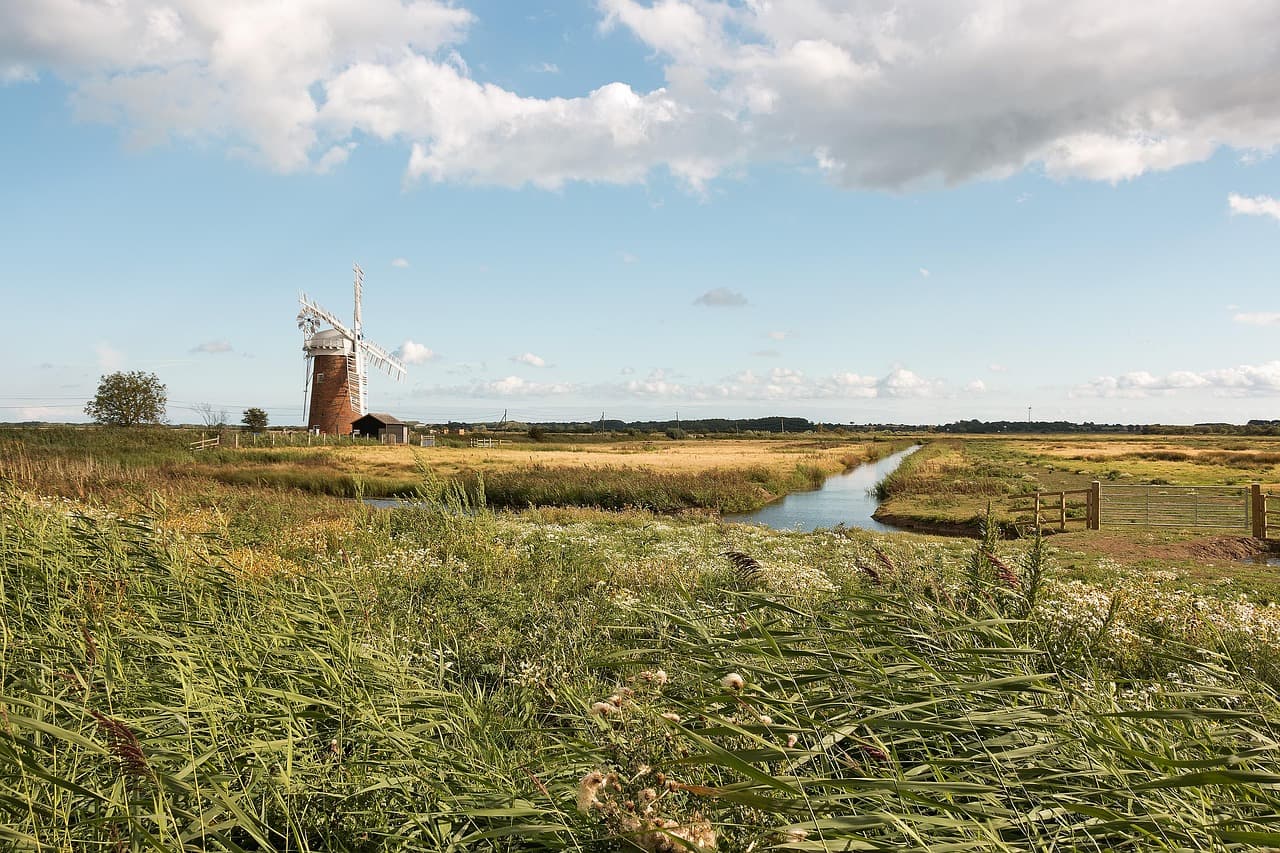
The court heard that nitrates and phosphates have been washing from arable fields into the fen, which the judge described as one of the finest examples of calcareous fen in western Europe. She criticised the watchdog's inaction since the Harrises first reported the pollution to it in 2021.
- Catfield Fen is part of a special area of conservation, an internationally important wetland protected by law, within the Broads national park.
- The site is home to 2,500 species, including rarities such as the fen orchid, crested buckler fern, breeding bittern and swallowtail butterflies.
Three wins, 15 years and £1.5m
The judgment is the couple's third victory in a campaign that has cost them 15 years and £1.5m of their own money taking action to hold government agencies to account over the fen.
- In 2016 they won a public inquiry that demonstrated too much groundwater was being taken from the valley by water companies and local farmers, drying out the fen.
- In 2022 they won a second case forcing the Environment Agency to limit water abstraction close to other nature-rich sites on the Norfolk Broads. Since then they have noticed an improvement in the water levels and biodiversity of the fen's dykes.
- The local branch of the National Farmers' Union rejected their application for membership, saying half its members would resign, as farmers were upset at restrictions on water abstraction for crops like potatoes.
The couple reject any suggestion they are against farming. "We're farmers, we're not anti-farmer," Tim says.
'They can't just do nothing'
"It's a landmark judgment because it says they can't just do nothing."
Tim Harris says this of the ruling. He argues that the cause of the pollution was "the most basic level of common sense" and required action by the government's conservation watchdog. He also warns that the stakes reach beyond one site: "This is bigger than a little ditch in Norfolk." He fears that "regulatory inertia" is preventing pollution being halted on waterways across the country.
The couple say they get on well with Natural England apart from suing them. For its part, the agency said it accepted the court's verdict that it had not done enough to protect Catfield Fen, but would not comment on ongoing legal proceedings.
What happens next
The judge is to make further rulings on what Natural England must do to stop the pollution of Catfield Fen. The couple, meanwhile, are considering another legal challenge to stop the Broads from being polluted.
The fen itself is under strain. Geli Harris describes the site as a refuge for nature in decline: "We are a Noah's ark until things get better and nature can spread outwards from here again."
Expert surveys this summer found insect numbers going down, according to Tim, and the couple are worried. For anyone hoping to protect nature and clean water, his advice is hard-won: "You need enormous persistence." Geli adds: "You need passion. Evil can happen when people do nothing."