
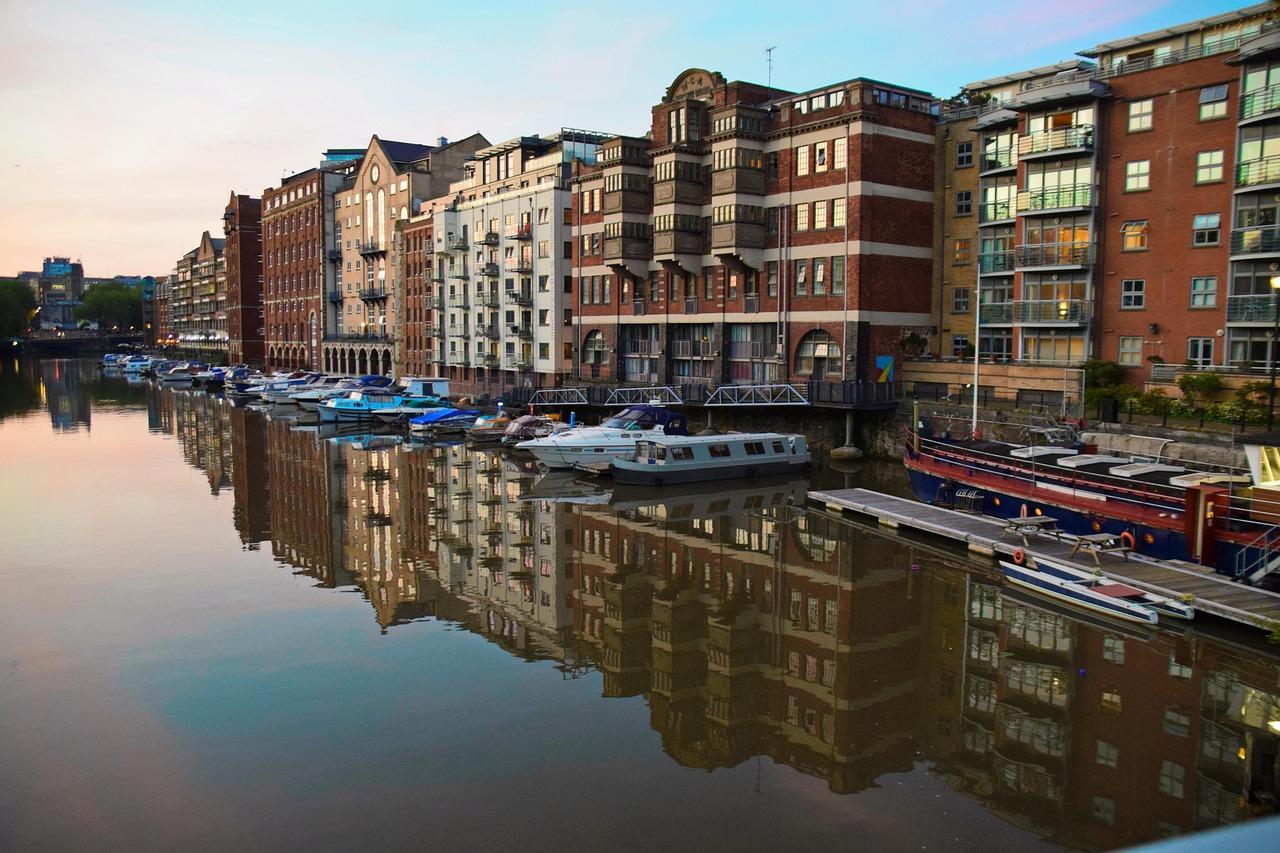
Bristol wetland city bid: charity launches five-year plan to become UK's first
Bristol could become the UK's first 'wetland city' under a five-year Wildfowl & Wetlands Trust programme of more than 200 projects to restore and create urban wetlands and cut flood risk.
Bristol wetland city bid: charity launches five-year plan to become UK's first
The Wildfowl & Wetlands Trust (WWT) has begun a push to make Bristol the UK's first accredited 'wetland city', a charity-led programme intended to build wildlife corridors that reduce flood risk and improve access to green and blue spaces.
More than 200 projects across the city
WWT is running the initiative over five years, with more than 200 projects to restore and create wetlands across the city. The work stretches from household scale to the river system, and includes:
- small household rainwater ponds
- street-level rain gardens
- restoring river habitats
- reconnecting rivers with their floodplains
- creating new wetlands
Floating wetlands in the harbour
The project started in September, when WWT installed floating wetlands at three sites in Bristol's city-centre harbour. These are buoyant modules covered in wetland plants.
Peter Lee, programmes lead at WWT, said wildlife responded almost immediately: "Within minutes, dragonflies and other wildlife were appearing. Nature was being drawn to it". He added that the installations caught the attention of passers-by: "It sparked a conversation – people were saying: 'Why can't it always be like this?'".
Flood risk and rainwater
Lee said wetlands absorb and store water more effectively than impermeable surfaces such as concrete, helping to reuse rainwater and prevent flooding during heavy rainfall. The aim, he said, is to manage rainwater where it lands rather than rushing it into drains and combined sewers, which overflow when it rains. He described rain falling on a roof as high-quality water that could be used as a resource instead of being channelled into combined sewers.
Ramsar accreditation and funding
The accreditation WWT is seeking comes from the Ramsar convention, the international treaty on wetland conservation, whose wetland city scheme honours cities that safeguard urban wetlands and put them to wise use. So far, 74 cities hold the accreditation across 27 countries, 22 of them in China.
Unlike most bids, this one is not coming from the state. Lee said wetland city bids elsewhere have usually been state-led, often driven by a city's mayor, whereas Bristol's project is charity-led.
- The programme is funded by the insurer Aviva, contributing £8.9m over the five years.
- Tony Dyer, leader of Bristol city council, said the programme shows how working with nature can tackle the city's biggest challenges.
- Dyer said creating and restoring wetlands across Bristol can reduce flood risk, support wildlife, improve health and wellbeing and build climate resilience.
According to Lee, a successful Bristol wetland city bid would show other UK towns and cities that wetlands can pay for themselves commercially, through returns such as increased mooring fees and greater footfall in the city centre. If that commercial case holds, he said, the philanthropic donation acts as seed funding for a much bigger programme.
WWT considered several cities before choosing Bristol, citing its maritime heritage and 100 miles of waterways within the city. Lee noted that Bristol's placenames are full of water references reflecting its relationship with water.


