Extreme weather 2026: death toll in high tens of thousands by November
WORLD · CLIMATE

Extreme weather 2026: death toll in high tens of thousands by November

Extreme weather killed an estimated high tens of thousands of people worldwide in the first 11 months of 2026, a conservative toll expected to rise. The year of heatwaves, floods, wildfires and storms followed the hottest summer since records began in 1850.

By LiveDigestPublished Saturday, November 14, 2026 · 14:31 GMT | 5 min read

Extreme weather 2026: death toll in high tens of thousands by November

01 / CLIMATE

A year of record heat

The global temperature record did not fall month after month through 2026, but the year stayed persistently hot: January, February and March were each fourth-hottest for their months, while April, May and June were each second-hottest. July was the joint-hottest July on record and August the hottest August ever measured.

September was the second-hottest September worldwide and Asia's hottest, with hundreds killed and millions evacuated across the continent. October was the hottest October on record, and in November global temperatures tied the all-time record of 2.04C above preindustrial levels, set in 2023.

Behind the record heat, the World Meteorological Organization revealed that more than 90% of Earth's excess energy is stored in the oceans, where warming has more than doubled over the past two decades compared with the previous 45-year average.

UN secretary general António Guterres said the global climate was in a state of emergency, with every key climate indicator flashing red.

The oceans themselves turned sharply warmer. Sea surface temperatures began to jag upwards away from all previous highs on 21 June, and a new El Niño was confirmed on 2 June.

The year's milestones included:

  • February and March both fourth-hottest on record.
  • July the joint-hottest July on record.
  • August the hottest August on record.
  • October the hottest October on record.
  • November tying 2.04C above preindustrial levels, with 2026 forecast to be among the four warmest years alongside 2023, 2024 and 2025.
02 / CLIMATE

Deadly heatwaves and floods

The human cost of extreme weather in 2026 mounted across every continent. Europe's warmest summer in history killed an estimated 50,000 people in cities, with two-thirds of the excess deaths attributable to the climate crisis. In southern Asia, at least 47 heat-related deaths were reported as temperatures passed 45C in Indian and Bangladeshi cities and peaked at 52C in Pakistan's Sindh province.

Australia's summer heat pushed temperatures nearly 20C above average in Victoria and other southern states, with records of 50C in Port Augusta and the opal mining town of Andamooka. Melbourne hospitals reported a 25% increase in heat-related illnesses, and scientists said the heatwave was made five times more likely by the supercharged climate. Heatwaves already cause more deaths in Australia than all other natural hazards combined.

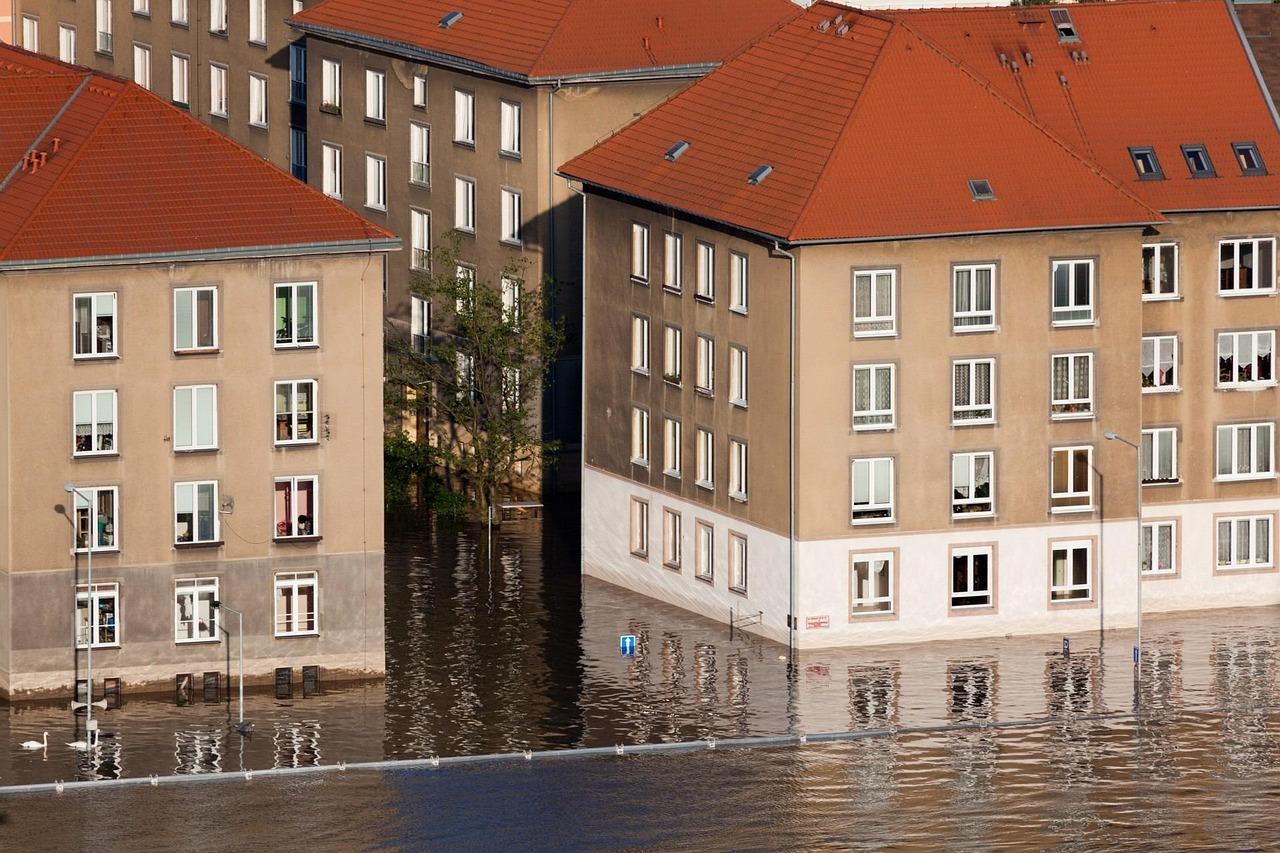
Floods struck with unusual force through 2026. In Brazil, Juiz de Fora in Minas Gerais recorded its wettest ever month in February; mudslides killed 72 people and swept away hundreds of homes. More than 10,000 people were displaced, and floods also hit Rio de Janeiro and São Paulo. March brought floods that killed at least 131 people in Ethiopia, 80 in Kenya and 18 in Tanzania.

West African rains from May to June killed almost 100 people - 59 in Côte d'Ivoire, 35 in Ghana and five in Togo - with record downpours of up to 140mm in a day made five times more likely and 23% more intense by the climate crisis.

Other March extremes included hailstones the size of tennis balls in Oman, lightning storms that flooded cities in the UAE, at least 30 deaths in Afghanistan landslides, floods in southern Russia that left more than 300,000 without electricity, submerged farmland in Argentina and Chile, and twice the usual monthly precipitation in Hong Kong.

Typhoons added to the toll. Super Typhoon Sinlaku hit Micronesia, Guam and Saipan, peaking on 12 April with winds of 295km/h, killing 12 people, leaving 43,000 without power and causing $1.5bn (£1.1bn) in damages. Those winds were the joint highest recorded by a storm in the western Pacific basin so early in the year.

In September, Typhoon Dujuan killed at least 10 people in Japan with 144km/h winds and 832mm of rain in 48 hours on Izu Oshima, while Typhoon Saudel caused a mudslide that killed three in eastern China. At least 102 people were killed in India and Nepal amid rain up to nine times the norm, and Bangkok floods affected half a million people and killed eight.

A glacier collapse in Nepal's Lhende Khola river valley killed at least 1,300 people after a 2 sq km slab of rock and glacier ice fell 1,400 metres in the Himalayas. More than 5,000 people were missing and 8,600 needed medical attention. Scientists said unusually warm temperatures and long-term permafrost degradation from the climate crisis were among the likely causes.

03 / CLIMATE

Wildfires and smoke

Wildfires spread across several continents in 2026. Almost 1,000 wildfires in Canada charred 3m hectares and sent smoke as far as New York; Toronto registered the world's worst air quality on 15 July. Smoke already kills 4,000 people in Canada each year, almost four times as many as at the start of the century.

European wildfires fuelled by drought burned 686,000 hectares in Greece, Portugal, Italy, Norway, Germany, Spain and France - twice the average of the past 20 years.

Indonesia suffered its worst fire season in a decade, scorching almost 2m hectares of forest, more than twice last year's area. Protests were held in Jakarta and the choking haze was estimated to have killed 3,560 people in one month alone.

In Amazonia, drought left the Rio Negro, Madeira and Tapajós close to record low levels, and fire smoke gave Manaus the world's second-worst air quality on 12 October. After the heaviest October rainfall in 76 years, Chile declared the Santiago district of Las Condes a "disaster zone", with more than 1,000 people evacuated, some by helicopter.

04 / CLIMATE

What comes next

The UN disaster relief agency urged governments to prepare for an unprecedented "wrecking ball" El Niño expected to peak around the end of the year. UK authorities advised households to stockpile a few days of basic supplies.

Climate scientists projected that more than 450,000 people globally would die by February as a result of the additional heat brought by the super El Niño. November's tie of the all-time record of 2.04C above preindustrial levels leaves 2026 forecast to be among the four warmest years, alongside 2023, 2024 and 2025.


Extreme weather 2026: death toll in high tens of thousands by November
WORLD · CLIMATE

Extreme weather 2026: death toll in high tens of thousands by November

Extreme weather killed an estimated high tens of thousands of people worldwide in the first 11 months of 2026, a conservative toll expected to rise. The year of heatwaves, floods, wildfires and storms followed the hottest summer since records began in 1850.

By LiveDigestPublished Saturday, November 14, 2026 · 14:31 GMT | 5 min read

Extreme weather 2026: death toll in high tens of thousands by November

01 / CLIMATE

A year of record heat

The global temperature record did not fall month after month through 2026, but the year stayed persistently hot: January, February and March were each fourth-hottest for their months, while April, May and June were each second-hottest. July was the joint-hottest July on record and August the hottest August ever measured.

September was the second-hottest September worldwide and Asia's hottest, with hundreds killed and millions evacuated across the continent. October was the hottest October on record, and in November global temperatures tied the all-time record of 2.04C above preindustrial levels, set in 2023.

Behind the record heat, the World Meteorological Organization revealed that more than 90% of Earth's excess energy is stored in the oceans, where warming has more than doubled over the past two decades compared with the previous 45-year average.

UN secretary general António Guterres said the global climate was in a state of emergency, with every key climate indicator flashing red.

The oceans themselves turned sharply warmer. Sea surface temperatures began to jag upwards away from all previous highs on 21 June, and a new El Niño was confirmed on 2 June.

The year's milestones included:

  • February and March both fourth-hottest on record.
  • July the joint-hottest July on record.
  • August the hottest August on record.
  • October the hottest October on record.
  • November tying 2.04C above preindustrial levels, with 2026 forecast to be among the four warmest years alongside 2023, 2024 and 2025.
02 / CLIMATE

Deadly heatwaves and floods

The human cost of extreme weather in 2026 mounted across every continent. Europe's warmest summer in history killed an estimated 50,000 people in cities, with two-thirds of the excess deaths attributable to the climate crisis. In southern Asia, at least 47 heat-related deaths were reported as temperatures passed 45C in Indian and Bangladeshi cities and peaked at 52C in Pakistan's Sindh province.

Australia's summer heat pushed temperatures nearly 20C above average in Victoria and other southern states, with records of 50C in Port Augusta and the opal mining town of Andamooka. Melbourne hospitals reported a 25% increase in heat-related illnesses, and scientists said the heatwave was made five times more likely by the supercharged climate. Heatwaves already cause more deaths in Australia than all other natural hazards combined.

Floods struck with unusual force through 2026. In Brazil, Juiz de Fora in Minas Gerais recorded its wettest ever month in February; mudslides killed 72 people and swept away hundreds of homes. More than 10,000 people were displaced, and floods also hit Rio de Janeiro and São Paulo. March brought floods that killed at least 131 people in Ethiopia, 80 in Kenya and 18 in Tanzania.

West African rains from May to June killed almost 100 people - 59 in Côte d'Ivoire, 35 in Ghana and five in Togo - with record downpours of up to 140mm in a day made five times more likely and 23% more intense by the climate crisis.

Other March extremes included hailstones the size of tennis balls in Oman, lightning storms that flooded cities in the UAE, at least 30 deaths in Afghanistan landslides, floods in southern Russia that left more than 300,000 without electricity, submerged farmland in Argentina and Chile, and twice the usual monthly precipitation in Hong Kong.

Typhoons added to the toll. Super Typhoon Sinlaku hit Micronesia, Guam and Saipan, peaking on 12 April with winds of 295km/h, killing 12 people, leaving 43,000 without power and causing $1.5bn (£1.1bn) in damages. Those winds were the joint highest recorded by a storm in the western Pacific basin so early in the year.

In September, Typhoon Dujuan killed at least 10 people in Japan with 144km/h winds and 832mm of rain in 48 hours on Izu Oshima, while Typhoon Saudel caused a mudslide that killed three in eastern China. At least 102 people were killed in India and Nepal amid rain up to nine times the norm, and Bangkok floods affected half a million people and killed eight.

A glacier collapse in Nepal's Lhende Khola river valley killed at least 1,300 people after a 2 sq km slab of rock and glacier ice fell 1,400 metres in the Himalayas. More than 5,000 people were missing and 8,600 needed medical attention. Scientists said unusually warm temperatures and long-term permafrost degradation from the climate crisis were among the likely causes.

03 / CLIMATE

Wildfires and smoke

Wildfires spread across several continents in 2026. Almost 1,000 wildfires in Canada charred 3m hectares and sent smoke as far as New York; Toronto registered the world's worst air quality on 15 July. Smoke already kills 4,000 people in Canada each year, almost four times as many as at the start of the century.

European wildfires fuelled by drought burned 686,000 hectares in Greece, Portugal, Italy, Norway, Germany, Spain and France - twice the average of the past 20 years.

Indonesia suffered its worst fire season in a decade, scorching almost 2m hectares of forest, more than twice last year's area. Protests were held in Jakarta and the choking haze was estimated to have killed 3,560 people in one month alone.

In Amazonia, drought left the Rio Negro, Madeira and Tapajós close to record low levels, and fire smoke gave Manaus the world's second-worst air quality on 12 October. After the heaviest October rainfall in 76 years, Chile declared the Santiago district of Las Condes a "disaster zone", with more than 1,000 people evacuated, some by helicopter.

04 / CLIMATE

What comes next

The UN disaster relief agency urged governments to prepare for an unprecedented "wrecking ball" El Niño expected to peak around the end of the year. UK authorities advised households to stockpile a few days of basic supplies.

Climate scientists projected that more than 450,000 people globally would die by February as a result of the additional heat brought by the super El Niño. November's tie of the all-time record of 2.04C above preindustrial levels leaves 2026 forecast to be among the four warmest years, alongside 2023, 2024 and 2025.

Extreme weather 2026: death toll in high tens of thousands by November
WORLD · CLIMATE

Extreme weather 2026: death toll in high tens of thousands by November

By LiveDigest

Extreme weather 2026: death toll in high tens of thousands by November

01 / CLIMATE

A year of record heat

The global temperature record did not fall month after month through 2026, but the year stayed persistently hot: January, February and March were each fourth-hottest for their months, while April, May and June were each second-hottest. July was the joint-hottest July on record and August the hottest August ever measured.

September was the second-hottest September worldwide and Asia's hottest, with hundreds killed and millions evacuated across the continent. October was the hottest October on record, and in November global temperatures tied the all-time record of 2.04C above preindustrial levels, set in 2023.

Behind the record heat, the World Meteorological Organization revealed that more than 90% of Earth's excess energy is stored in the oceans, where warming has more than doubled over the past two decades compared with the previous 45-year average.

UN secretary general António Guterres said the global climate was in a state of emergency, with every key climate indicator flashing red.

The oceans themselves turned sharply warmer. Sea surface temperatures began to jag upwards away from all previous highs on 21 June, and a new El Niño was confirmed on 2 June.

The year's milestones included:

  • February and March both fourth-hottest on record.
  • July the joint-hottest July on record.
  • August the hottest August on record.
  • October the hottest October on record.
  • November tying 2.04C above preindustrial levels, with 2026 forecast to be among the four warmest years alongside 2023, 2024 and 2025.
02 / CLIMATE

Deadly heatwaves and floods

The human cost of extreme weather in 2026 mounted across every continent. Europe's warmest summer in history killed an estimated 50,000 people in cities, with two-thirds of the excess deaths attributable to the climate crisis. In southern Asia, at least 47 heat-related deaths were reported as temperatures passed 45C in Indian and Bangladeshi cities and peaked at 52C in Pakistan's Sindh province.

Australia's summer heat pushed temperatures nearly 20C above average in Victoria and other southern states, with records of 50C in Port Augusta and the opal mining town of Andamooka. Melbourne hospitals reported a 25% increase in heat-related illnesses, and scientists said the heatwave was made five times more likely by the supercharged climate. Heatwaves already cause more deaths in Australia than all other natural hazards combined.

Floods struck with unusual force through 2026. In Brazil, Juiz de Fora in Minas Gerais recorded its wettest ever month in February; mudslides killed 72 people and swept away hundreds of homes. More than 10,000 people were displaced, and floods also hit Rio de Janeiro and São Paulo. March brought floods that killed at least 131 people in Ethiopia, 80 in Kenya and 18 in Tanzania.

West African rains from May to June killed almost 100 people - 59 in Côte d'Ivoire, 35 in Ghana and five in Togo - with record downpours of up to 140mm in a day made five times more likely and 23% more intense by the climate crisis.

Other March extremes included hailstones the size of tennis balls in Oman, lightning storms that flooded cities in the UAE, at least 30 deaths in Afghanistan landslides, floods in southern Russia that left more than 300,000 without electricity, submerged farmland in Argentina and Chile, and twice the usual monthly precipitation in Hong Kong.

Typhoons added to the toll. Super Typhoon Sinlaku hit Micronesia, Guam and Saipan, peaking on 12 April with winds of 295km/h, killing 12 people, leaving 43,000 without power and causing $1.5bn (£1.1bn) in damages. Those winds were the joint highest recorded by a storm in the western Pacific basin so early in the year.

In September, Typhoon Dujuan killed at least 10 people in Japan with 144km/h winds and 832mm of rain in 48 hours on Izu Oshima, while Typhoon Saudel caused a mudslide that killed three in eastern China. At least 102 people were killed in India and Nepal amid rain up to nine times the norm, and Bangkok floods affected half a million people and killed eight.

A glacier collapse in Nepal's Lhende Khola river valley killed at least 1,300 people after a 2 sq km slab of rock and glacier ice fell 1,400 metres in the Himalayas. More than 5,000 people were missing and 8,600 needed medical attention. Scientists said unusually warm temperatures and long-term permafrost degradation from the climate crisis were among the likely causes.

03 / CLIMATE

Wildfires and smoke

Wildfires spread across several continents in 2026. Almost 1,000 wildfires in Canada charred 3m hectares and sent smoke as far as New York; Toronto registered the world's worst air quality on 15 July. Smoke already kills 4,000 people in Canada each year, almost four times as many as at the start of the century.

European wildfires fuelled by drought burned 686,000 hectares in Greece, Portugal, Italy, Norway, Germany, Spain and France - twice the average of the past 20 years.

Indonesia suffered its worst fire season in a decade, scorching almost 2m hectares of forest, more than twice last year's area. Protests were held in Jakarta and the choking haze was estimated to have killed 3,560 people in one month alone.

In Amazonia, drought left the Rio Negro, Madeira and Tapajós close to record low levels, and fire smoke gave Manaus the world's second-worst air quality on 12 October. After the heaviest October rainfall in 76 years, Chile declared the Santiago district of Las Condes a "disaster zone", with more than 1,000 people evacuated, some by helicopter.

04 / CLIMATE

What comes next

The UN disaster relief agency urged governments to prepare for an unprecedented "wrecking ball" El Niño expected to peak around the end of the year. UK authorities advised households to stockpile a few days of basic supplies.

Climate scientists projected that more than 450,000 people globally would die by February as a result of the additional heat brought by the super El Niño. November's tie of the all-time record of 2.04C above preindustrial levels leaves 2026 forecast to be among the four warmest years, alongside 2023, 2024 and 2025.