
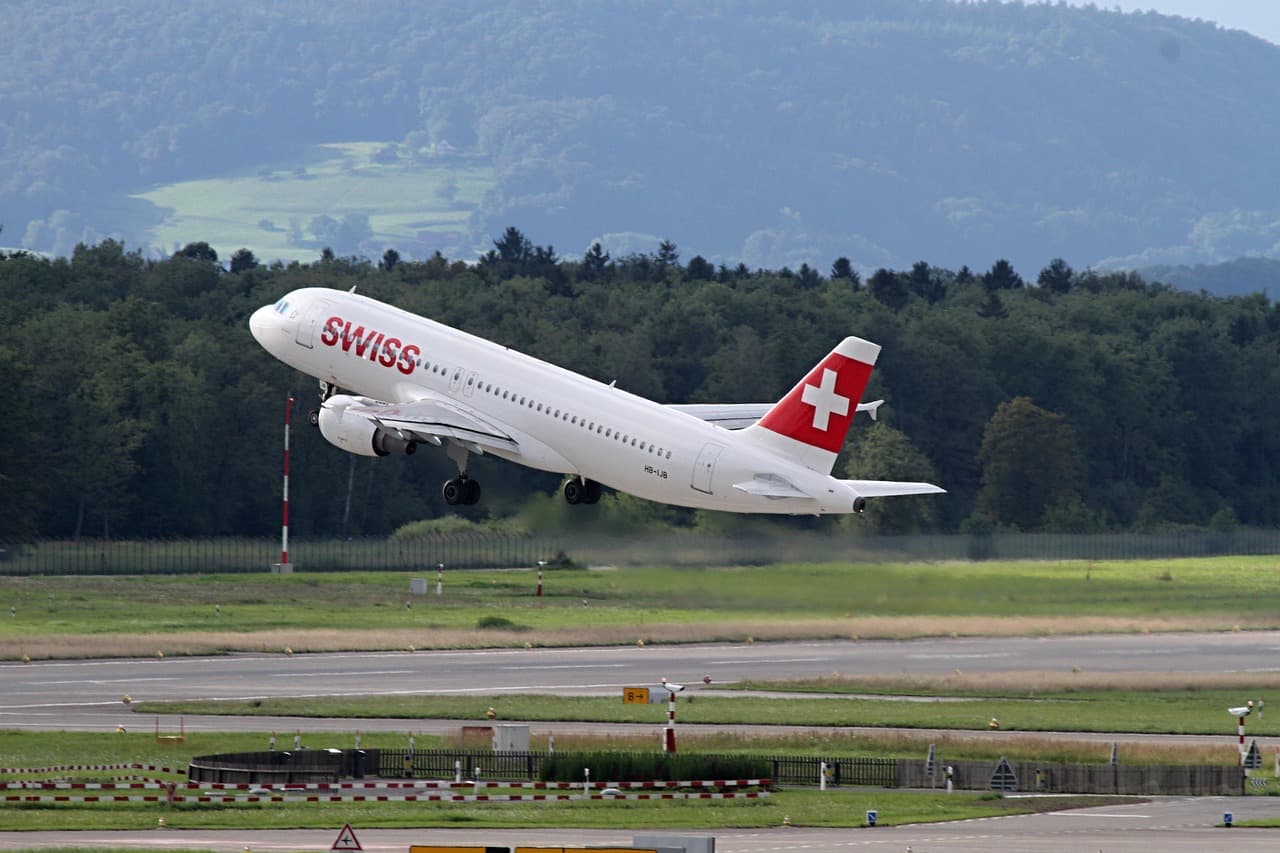
Bomb threats disrupt at least 18 more flights across Europe, all planes land safely
A fresh wave of bomb threats hit at least 18 flights to or from nine European countries on Friday, including nine to and from Prague, and all affected planes landed safely with searches finding no explosive devices.
Bomb threats disrupt at least 18 more flights across Europe, all planes land safely
Which flights were hit
The latest wave of bomb threats against Europe's flights touched at least 18 aircraft flying to or from Bulgaria, Czechia, France, Italy, Hungary, Cyprus, Romania, the UK and Portugal. All of the affected planes landed safely and searches revealed no explosive devices.
- At least nine flights to and from Prague received threats
- Four flights over France and two en route to Sofia were affected
- A Lisbon-to-Rome flight was also targeted
- Danish police investigated a threat against Copenhagen airport, though the airport said it was operating normally
Fighter escorts and scale of disruption
Hungary scrambled fighter jets three times to escort civilian flights in its airspace, defence minister Romulusz Ruszin-Szendi said on Facebook. Set against the 26,709 flights that Eurocontrol said were scheduled in Europe on Friday, the affected aircraft made up just 0.0674% of the day's traffic.
A week of threats
The Friday alerts followed separate threats on Tuesday and Thursday that forced at least 35 flights to be diverted or searched. Earlier in the week, cyber-attacks also targeted supermarket refrigeration systems in at least seven European countries.
Media threats and the investigation
Separate threats on Friday against media organisations in Ireland disrupted broadcasts and prompted staff evacuations, with police searching offices and newsrooms. Sky said it had also received a security threat on Friday and reported it to the relevant authorities.
Taoiseach Micheál Martin told RTÉ Radio 1 the threats had to be taken seriously and were an effort to sow fear and anxiety. He said European security agencies would seek to identify those responsible and hold them accountable.
"It shows how relatively simple it can be to cause disruption and undermine the normal operation of society."
Some of Thursday's threats carried the signature "fighters of the Male State" - the name of a Russian movement, founded in 2016, that is far-right, ultranationalist and misogynistic. According to some officials, the week's disruptions may be connected to European backing of Ukraine in the war that followed Russia's invasion. Investigators, however, said there was no evidence the hoaxes were being orchestrated by a hostile terror group or state actor, and inquiries continue.
Spain: a pattern of hybrid aggression
Spanish foreign minister José Manuel Albares said authorities needed more time to identify the culprits but that there appeared to be a pattern. He told TVE: "It cannot be mere coincidence that so many incidents with exactly the same modus operandi are happening across Europe."
"The most reasonable assumption is that we are facing an attempt at hybrid aggression and a form of psychological warfare," Albares said, adding that Europe must be prepared for more such challenges.


