
Hybrid warfare grey zone threats: hoax flight alerts and fridge hacks test Europe
Hoax bomb threats disrupted at least 25 commercial flights across Europe on Thursday, some forcing emergency landings, days after a cyber-attack raised supermarket fridge temperatures in seven countries - a week that shows hybrid warfare grey zone threats reaching everyday life. Investigators see no sign a hostile terror group or state actor orchestrated the flight threats, though investigations continue.
Hybrid warfare grey zone threats: hoax flight alerts and fridge hacks test Europe
A week of aviation alerts
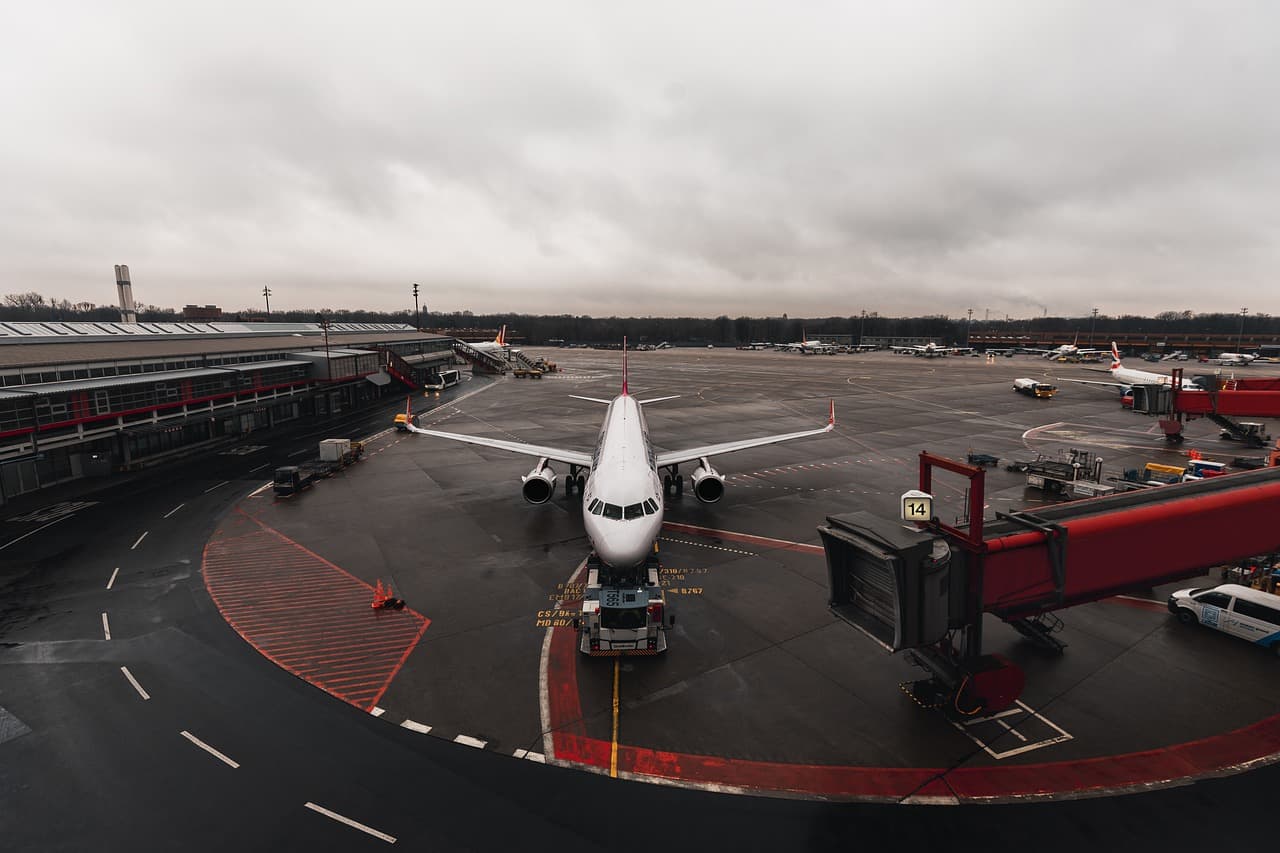
Hoax bomb threats hit at least 25 commercial flights across Europe on Thursday, with some aircraft forced into emergency landings. It came two days after seven planes were searched or diverted following malicious alerts, according to investigators and aviation experts cited in the report.
So far, investigators say there is no suggestion the threats were orchestrated by a hostile terror group or state actor, although investigations are ongoing. Aviation experts noted that the airlines treating the threats as credible points to a potential level of coordination.
The scrutiny on aviation security also follows a separate incident in which a flydubai pilot fought off a knife-wielding colleague in an apparent attempt to crash a full passenger flight heading for Tel Aviv.
Threats beyond the skies
The flight alerts arrived alongside a string of other incidents the report draws together as grey zone activity:
- Acts of sabotage on European states since 2022 are believed to trace back to Russia, deliberately kept below the threshold for military response and aimed at disrupting support for Ukraine.
- Two months before publication, police said an alleged attack plot on RAF Fairford was organised by a handler believed to be working on behalf of Iran.
- Earlier in the week, supermarket fridges and freezers malfunctioned in seven European countries, their thermostats remotely cranked up in some cases to 50C.
- The cyber-attack on critical infrastructure targeted supermarket fridges in Belgium, Sweden and the UK, as well as the cold storage facilities of France's national blood service.
Who is behind the attacks
Attribution for hacks of this kind rarely offers many suspects. Dan Milmo said there are only ever two likely candidates for a hack: criminal gangs or nation states. Two members of the hacker collective Scattered Spider were jailed in July for their attack on Transport for London, an emerging third category of troublesome teenagers.
A cybersecurity researcher said attacks on dummy Danfoss fridge controls had all the hallmarks of operations linked to Russia. Aisha Down, meanwhile, explained that many hacks occur through edge devices - networked items connected to the internet that lack processing power and receive fewer security upgrades. Precedents include North Korea's near-theft of a billion dollars from the Bank of Bangladesh in 2016 through an unsecured printer.
Every attack is opportunistic, Down said, and damage is not guaranteed. Finland's national cybersecurity centre illustrates the pressure: it received 18,000 reports last year and 21,000 this year, for a population of 6 million. A European cybersecurity official said there is a vulnerability in every 1,500 lines of code, on average.
On what comes next, the same official offered this assessment:
It's going to happen. It's going to be opportunistic.
How states are responding
Security services are stretched across the range of threats. MI5 has about 3,000 active subjects of interest currently, prioritised in a hierarchy that focuses on the most serious ones. The Turing Institute is exploring ways to use AI to make critical infrastructure systems more secure.
Governments are also turning to the public. The UK's Be Ready initiative advises stockpiling 72 hours' worth of emergency supplies, including water and non-perishables, to offset the threats of hybrid warfare and hostile state sabotage.
Dan Sabbagh noted the political context: a government wanting to spend £10bn more on defence by the end of the decade finds the stockpiling message useful. He also argued that terrorism need not be violent to terrorise - its purpose, he said, is to scare.
Investigations into the flight threats continue, with no hostile state or terror group orchestration established so far.


