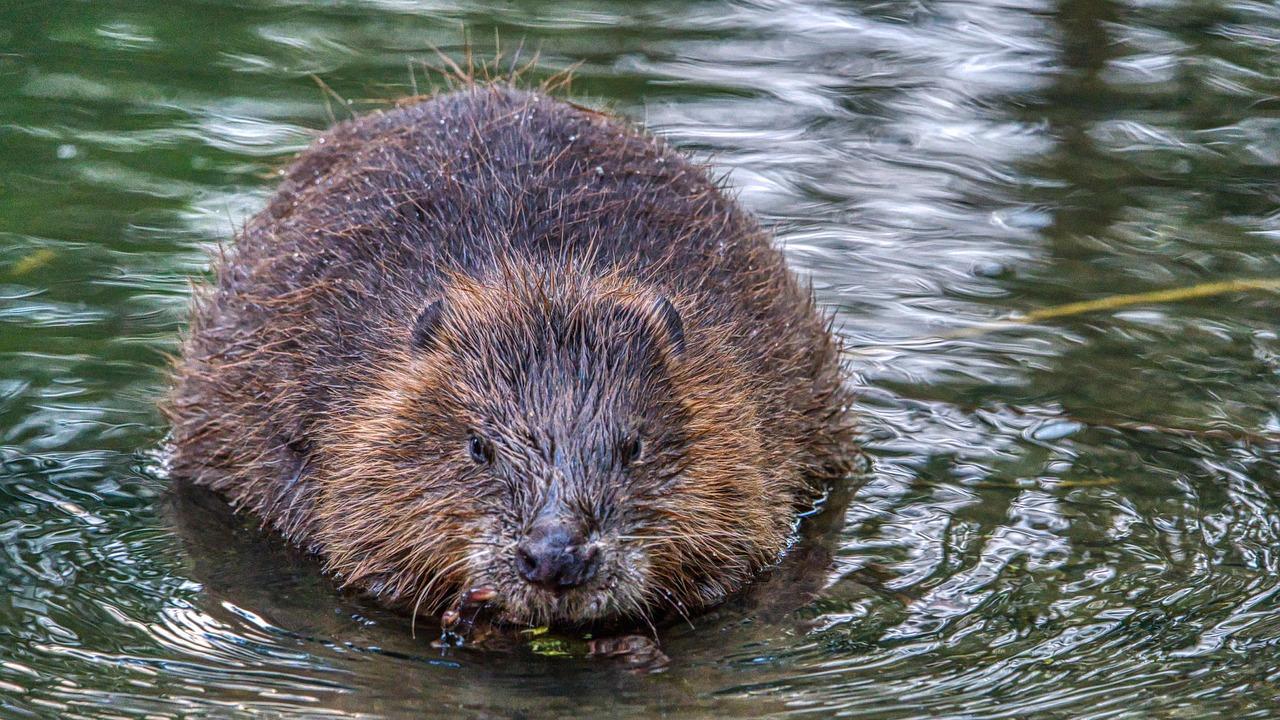
Beaver releases in England in doubt after two found dead with bovine tuberculosis
WORLD · ENVIRONMENT

Beaver releases in England in doubt after two found dead with bovine tuberculosis

Two wild beavers found dead in south-west England have tested positive for bovine tuberculosis, picked up through routine surveillance of beaver sites. Farmers have called for beaver releases in England to be stopped, and the National Farmers' Union wants a review of the scheme.

By LiveDigestPublished Sunday, November 29, 2026 · 21:58 GMT | 3 min read

Beaver releases in England in doubt after two found dead with bovine tuberculosis

Routine surveillance of beaver sites has detected bovine tuberculosis (bTB) in two dead wild beavers in south-west England. The announcement has been met with calls from farmers for releases of beavers into the countryside to be stopped, while the UK's deputy chief veterinary officer says there is no evidence the animals raise the risk of TB transmission.

01 / ENVIRONMENT

What was found and when

Natural England said the first beaver was found dead in autumn 2026 and the second in spring 2025, but the cases were only announced now. The two cases are considered isolated and independent.

  • Routine surveillance of beaver sites detected the disease in the two dead wild beavers
  • The animals were found in south-west England
  • The cases are treated as separate events, not an outbreak
02 / ENVIRONMENT

Why it matters to farmers

Bovine tuberculosis can devastate cattle herds and is the justification for the mass culling of badgers, which also carry the disease. The National Farmers' Union has called for a review of the beaver release scheme.

NFU deputy president Paul Tompkins said news that beavers are also a vector for bTB will be concerning for farmers as populations grow and government supports expansion. He said it will raise questions about why the risk was not fully considered before beaver reintroduction projects were permitted, and how it will influence future beaver policy.

Cumbrian cattle farmer Matthew Blair questioned why beavers would be released in an area with a TB issue.

He said it was "bonkers" to continue releasing beavers while there was a disease risk.
03 / ENVIRONMENT

The conservation response

Wildlife Trusts chief executive Craig Bennett said it was disappointing that some in the farming community had rushed to blame beavers and leap to conclusions.

"It is really disappointing that some elements of the farming community have rushed to blame beavers and leap to conclusions."

He said Wildlife Trusts vets believe the beavers almost certainly caught bTB from livestock, likely via contaminated slurry poured into rivers, and not the other way around. Bennett fears a precautionary approach could stall the release programme. The Wildlife Trusts hope to release 100 beavers on their nature reserves in the coming months, and he noted that every beaver released is already screened, with extensive evidence submitted for each individual animal.

04 / ENVIRONMENT

Beavers in England and the official line

Beavers were hunted to extinction in England around 400 years ago, prized for their fur, meat and scent oil. After disappearing from the wild, they started to come back in the early 2000s - a return driven by escapes and by a decades-long campaign that included unofficial releases, before formal reintroduction projects followed. Last year they were released for the first time under government licensed schemes. An estimated 600 to 800 beavers now live in the wild in England, and 1,500 in Scotland.

UK deputy chief veterinary officer Ele Brown said at present there is no evidence that beavers increase the risk of TB transmission to livestock, other wildlife or people.

"We are reviewing the evidence for the source of infection, and colleagues in Natural England will be updating their biosecurity advice."

Natural England wildlife experts Stuart Otway and Helen Donald said that although these findings do not demonstrate an increased risk of bTB transmission by beavers, it is appropriate to take a precautionary approach. Natural England said it would take a "precautionary approach" to beaver releases while the evidence for the source of infection is reviewed and its biosecurity advice is updated.


Beaver releases in England in doubt after two found dead with bovine tuberculosis
WORLD · ENVIRONMENT

Beaver releases in England in doubt after two found dead with bovine tuberculosis

Two wild beavers found dead in south-west England have tested positive for bovine tuberculosis, picked up through routine surveillance of beaver sites. Farmers have called for beaver releases in England to be stopped, and the National Farmers' Union wants a review of the scheme.

By LiveDigestPublished Sunday, November 29, 2026 · 21:58 GMT | 3 min read

Beaver releases in England in doubt after two found dead with bovine tuberculosis

Routine surveillance of beaver sites has detected bovine tuberculosis (bTB) in two dead wild beavers in south-west England. The announcement has been met with calls from farmers for releases of beavers into the countryside to be stopped, while the UK's deputy chief veterinary officer says there is no evidence the animals raise the risk of TB transmission.

01 / ENVIRONMENT

What was found and when

Natural England said the first beaver was found dead in autumn 2026 and the second in spring 2025, but the cases were only announced now. The two cases are considered isolated and independent.

  • Routine surveillance of beaver sites detected the disease in the two dead wild beavers
  • The animals were found in south-west England
  • The cases are treated as separate events, not an outbreak
02 / ENVIRONMENT

Why it matters to farmers

Bovine tuberculosis can devastate cattle herds and is the justification for the mass culling of badgers, which also carry the disease. The National Farmers' Union has called for a review of the beaver release scheme.

NFU deputy president Paul Tompkins said news that beavers are also a vector for bTB will be concerning for farmers as populations grow and government supports expansion. He said it will raise questions about why the risk was not fully considered before beaver reintroduction projects were permitted, and how it will influence future beaver policy.

Cumbrian cattle farmer Matthew Blair questioned why beavers would be released in an area with a TB issue.

He said it was "bonkers" to continue releasing beavers while there was a disease risk.
03 / ENVIRONMENT

The conservation response

Wildlife Trusts chief executive Craig Bennett said it was disappointing that some in the farming community had rushed to blame beavers and leap to conclusions.

He said Wildlife Trusts vets believe the beavers almost certainly caught bTB from livestock, likely via contaminated slurry poured into rivers, and not the other way around. Bennett fears a precautionary approach could stall the release programme. The Wildlife Trusts hope to release 100 beavers on their nature reserves in the coming months, and he noted that every beaver released is already screened, with extensive evidence submitted for each individual animal.

"It is really disappointing that some elements of the farming community have rushed to blame beavers and leap to conclusions."
04 / ENVIRONMENT

Beavers in England and the official line

Beavers were hunted to extinction in England around 400 years ago, prized for their fur, meat and scent oil. After disappearing from the wild, they started to come back in the early 2000s - a return driven by escapes and by a decades-long campaign that included unofficial releases, before formal reintroduction projects followed. Last year they were released for the first time under government licensed schemes. An estimated 600 to 800 beavers now live in the wild in England, and 1,500 in Scotland.

UK deputy chief veterinary officer Ele Brown said at present there is no evidence that beavers increase the risk of TB transmission to livestock, other wildlife or people.

Natural England wildlife experts Stuart Otway and Helen Donald said that although these findings do not demonstrate an increased risk of bTB transmission by beavers, it is appropriate to take a precautionary approach. Natural England said it would take a "precautionary approach" to beaver releases while the evidence for the source of infection is reviewed and its biosecurity advice is updated.

"We are reviewing the evidence for the source of infection, and colleagues in Natural England will be updating their biosecurity advice."
Beaver releases in England in doubt after two found dead with bovine tuberculosis
WORLD · ENVIRONMENT

Beaver releases in England in doubt after two found dead with bovine tuberculosis

By LiveDigest

Beaver releases in England in doubt after two found dead with bovine tuberculosis

Routine surveillance of beaver sites has detected bovine tuberculosis (bTB) in two dead wild beavers in south-west England. The announcement has been met with calls from farmers for releases of beavers into the countryside to be stopped, while the UK's deputy chief veterinary officer says there is no evidence the animals raise the risk of TB transmission.

01 / ENVIRONMENT

What was found and when

Natural England said the first beaver was found dead in autumn 2026 and the second in spring 2025, but the cases were only announced now. The two cases are considered isolated and independent.

  • Routine surveillance of beaver sites detected the disease in the two dead wild beavers
  • The animals were found in south-west England
  • The cases are treated as separate events, not an outbreak
02 / ENVIRONMENT

Why it matters to farmers

Bovine tuberculosis can devastate cattle herds and is the justification for the mass culling of badgers, which also carry the disease. The National Farmers' Union has called for a review of the beaver release scheme.

NFU deputy president Paul Tompkins said news that beavers are also a vector for bTB will be concerning for farmers as populations grow and government supports expansion. He said it will raise questions about why the risk was not fully considered before beaver reintroduction projects were permitted, and how it will influence future beaver policy.

Cumbrian cattle farmer Matthew Blair questioned why beavers would be released in an area with a TB issue.

He said it was "bonkers" to continue releasing beavers while there was a disease risk.
03 / ENVIRONMENT

The conservation response

Wildlife Trusts chief executive Craig Bennett said it was disappointing that some in the farming community had rushed to blame beavers and leap to conclusions.

He said Wildlife Trusts vets believe the beavers almost certainly caught bTB from livestock, likely via contaminated slurry poured into rivers, and not the other way around. Bennett fears a precautionary approach could stall the release programme. The Wildlife Trusts hope to release 100 beavers on their nature reserves in the coming months, and he noted that every beaver released is already screened, with extensive evidence submitted for each individual animal.

"It is really disappointing that some elements of the farming community have rushed to blame beavers and leap to conclusions."
04 / ENVIRONMENT

Beavers in England and the official line

Beavers were hunted to extinction in England around 400 years ago, prized for their fur, meat and scent oil. After disappearing from the wild, they started to come back in the early 2000s - a return driven by escapes and by a decades-long campaign that included unofficial releases, before formal reintroduction projects followed. Last year they were released for the first time under government licensed schemes. An estimated 600 to 800 beavers now live in the wild in England, and 1,500 in Scotland.

UK deputy chief veterinary officer Ele Brown said at present there is no evidence that beavers increase the risk of TB transmission to livestock, other wildlife or people.

Natural England wildlife experts Stuart Otway and Helen Donald said that although these findings do not demonstrate an increased risk of bTB transmission by beavers, it is appropriate to take a precautionary approach. Natural England said it would take a "precautionary approach" to beaver releases while the evidence for the source of infection is reviewed and its biosecurity advice is updated.

"We are reviewing the evidence for the source of infection, and colleagues in Natural England will be updating their biosecurity advice."