
Apec summit 2026 in Shenzhen opens with trade wins on the table for Xi Jinping
The Apec summit 2026 opens in Shenzhen with trade at the top of the agenda: Xi Jinping has announced a two-year deal with Canada, while attention turns to his meeting with Donald Trump against the backdrop of a fragile China-US trade truce.
Apec summit 2026 in Shenzhen opens with trade wins on the table for Xi Jinping
Canada deal announced on the sidelines
On the sidelines of the Apec summit 2026 in Shenzhen, Xi Jinping announced a trade arrangement with Canada's Mark Carney. China will extend remission measures for certain Chinese steel and aluminium products by two years, and in exchange Canada grants tariff relief on Chinese purchases of Canadian pork, fish and seafood exports.
The deal fits what Beijing had promised going into its hosting year. Apec senior officials' meeting chair Chen Xu said China made trade openness a key focus of its Apec year and looked forward to "achieving more practical outcomes on the trade front". China's foreign ministry, meanwhile, said it was hoping for "practical results in key areas such as trade, connectivity, digital economy, AI and so on".
Xi and Trump meeting looms over the truce
The meeting drawing most attention in Shenzhen is the one still to come: talks between Xi and Donald Trump, expected to tackle a broad range of issues including AI and trade.
The two leaders meet against a strained backdrop. On Monday the Trump administration said it would further restrict China's access to advanced AI chips, a move that could test the tariff truce the two leaders first agreed last year.
Trade watchers see the truce as holding only narrowly. Christopher Adams, a senior adviser at law firm Covington who served as a trade negotiator for the Obama and first Trump administrations, compared it to a ceasefire with escalating skirmishes.
"The trade truce may increasingly look like a ceasefire in a war where major combat operations remain on hold."
Adams does not expect the meeting to produce a prolongation of the arrangement. "I don't see pressure to announce a further extension of the trade truce in Shenzhen," he said, adding that a significant extension would be an upside surprise.
Beijing frames the summit around multilateralism
China is using its host role to argue for open trade against what it calls "unilateralism and protectionism", presenting itself as a steward of multilateralism. A Xinhua commentary on Tuesday said the country's hosting sends a signal that "great-power competition need not be a zero-sum game".
Some visiting leaders brought their own messages of alignment. Papua New Guinea's leader James Marape told Xi how he had closed Taiwan's office in his country, recounting the step despite domestic challenges.
Shenzhen stages the host city showcase
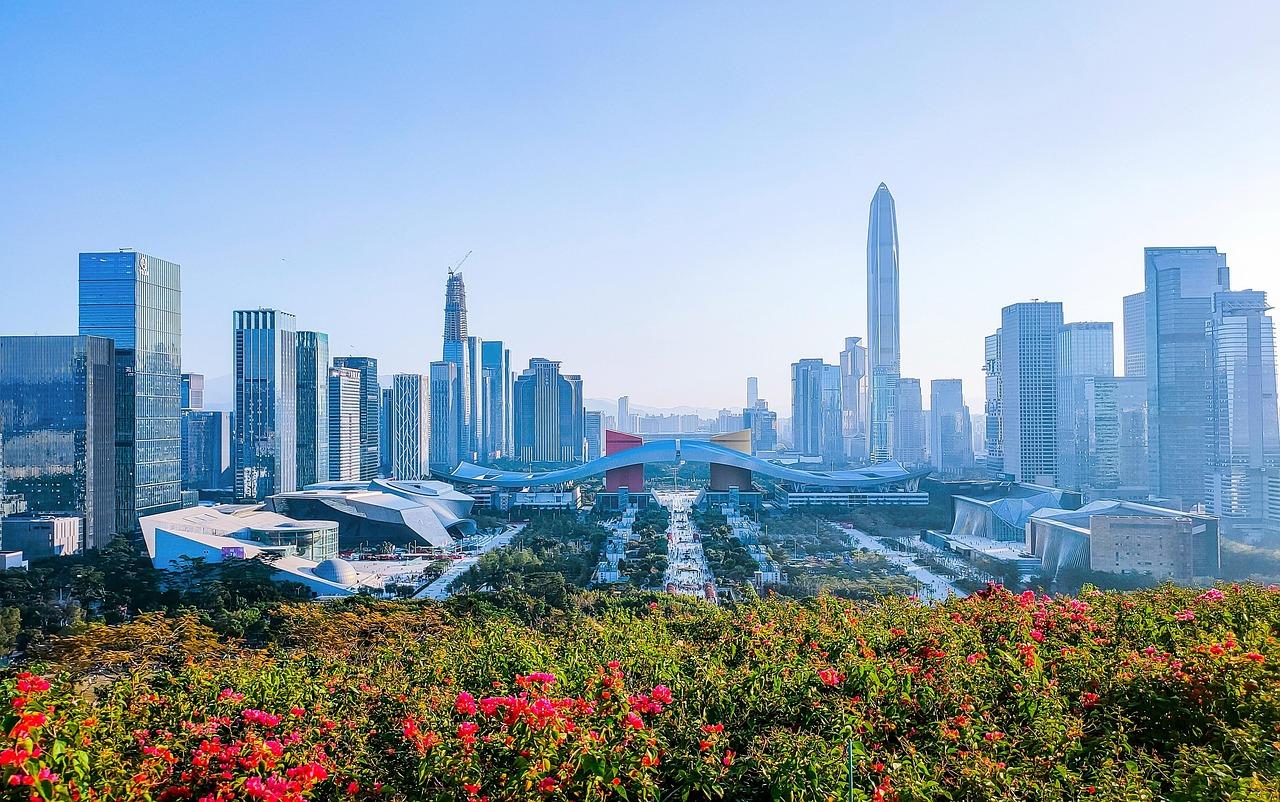
The host city has set the scene in its own way. On Monday night, dozens of glinting towers that make up Shenzhen's skyline rippled through the colour spectrum - cyan, violet, cyber green and China's national scarlet and gold - flashing 'Apec 2026' across a city square.
A local man watching the light show said he felt very proud that the summit would take place in Shenzhen. The most closely watched next step remains the expected meeting between Xi and Trump, covering a broad range of issues including AI and trade, after Monday's US move to further restrict China's access to advanced AI chips.


