
Xi, Trump and Putin trilateral meeting to take up 'world peace', says China
Xi Jinping, Donald Trump and Vladimir Putin will hold trilateral talks in Shenzhen on Thursday on the sidelines of the Apec summit. China's foreign ministry said the leaders will exchange views on safeguarding world peace and promoting strategic stability in major-power relations.
Xi, Trump and Putin trilateral meeting to take up 'world peace', says China
Beijing's stated agenda
China's foreign ministry has set out its own framing of the xi trump putin trilateral meeting: the three leaders, it said, will exchange views in depth on safeguarding world peace and promoting strategic stability in major-power relations. Foreign ministry spokeswoman Mao Ning called the talks:
"which is of groundbreaking significance"
Mao also argued that stronger communication among China, Russia and the United States, together with managing differences and stabilising relations, serves the interests of all three countries. Beijing was the last of the three powers to confirm the meeting, and its statement stopped short of naming specific agenda items.
What each side wants on the table
Donald Trump has said he wants to talk about denuclearisation, as well as the US-Israeli war in Iran. China, a top economic partner of Tehran, has sought to mediate in the Iran conflict and says avoiding a return to hostilities is a "top priority".
Whether the ukraine war features at all remains uncertain:
- Russia's invasion might not come up despite Putin reportedly wanting it to; US officials say Trump is not expected to raise the issue.
- German president Frank-Walter Steinmeier said Xi showed "irritation" in a recent meeting when the idea of the trilateral talks covering Ukraine came up.
- In a call this week, Wang Yi and Marco Rubio agreed on the importance of meaningful leader-level conversations to advance goals such as peace and denuclearisation, according to the US state department.
Nuclear arms talks and outside voices
Any push on denuclearisation runs against China's record: it has previously rebuffed attempts to join nuclear arms talks with Russia and the United States, which hold the larger stockpiles. UN secretary general António Guterres said on Monday that if the three leaders "really commit themselves to a meaningful denuclearisation, it will be a great achievement for the world".
Tempered expectations and staging friction
Many analysts have warned to temper expectations of a major breakthrough. Ryan Hass of Brookings wrote that Xi will bask in the glow of China acting as convener and agenda-setter, but that symbolism may prove more enduring than the substance of the meeting. Xiaoyu Pu of the University of Nevada said the three leaders will be approaching the talks with very different priorities.
There is friction over staging, too. The Wall Street Journal reported last week that the Trump administration pushed back against Beijing's demands that the summit be tightly scripted with prepared statements.
Sari Arho Havrén of the Royal United Services Institute wrote on X that China dislikes surprises and wants to ensure neither Trump nor Putin steals the limelight from the host, and that Xi does not want to be dragged into a discussion about Ukraine. Shanghai-based analyst Peter Alexander of Z-Ben Advisors told CNBC much of the political benefit for Xi lies simply in the ability to bring Putin and Trump to the table.
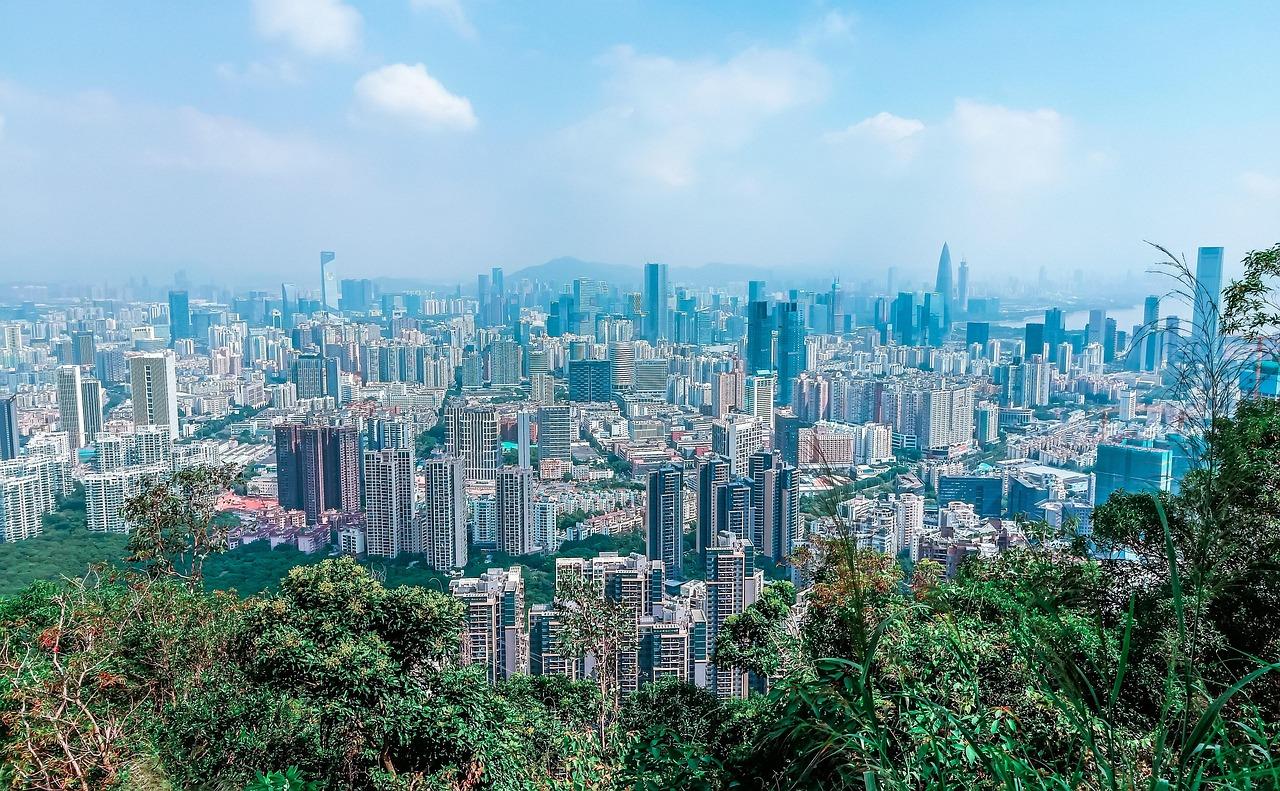
The talks are set for Thursday in Shenzhen, where Xi presides over Apec events; Beijing has not confirmed specific agenda items.


