
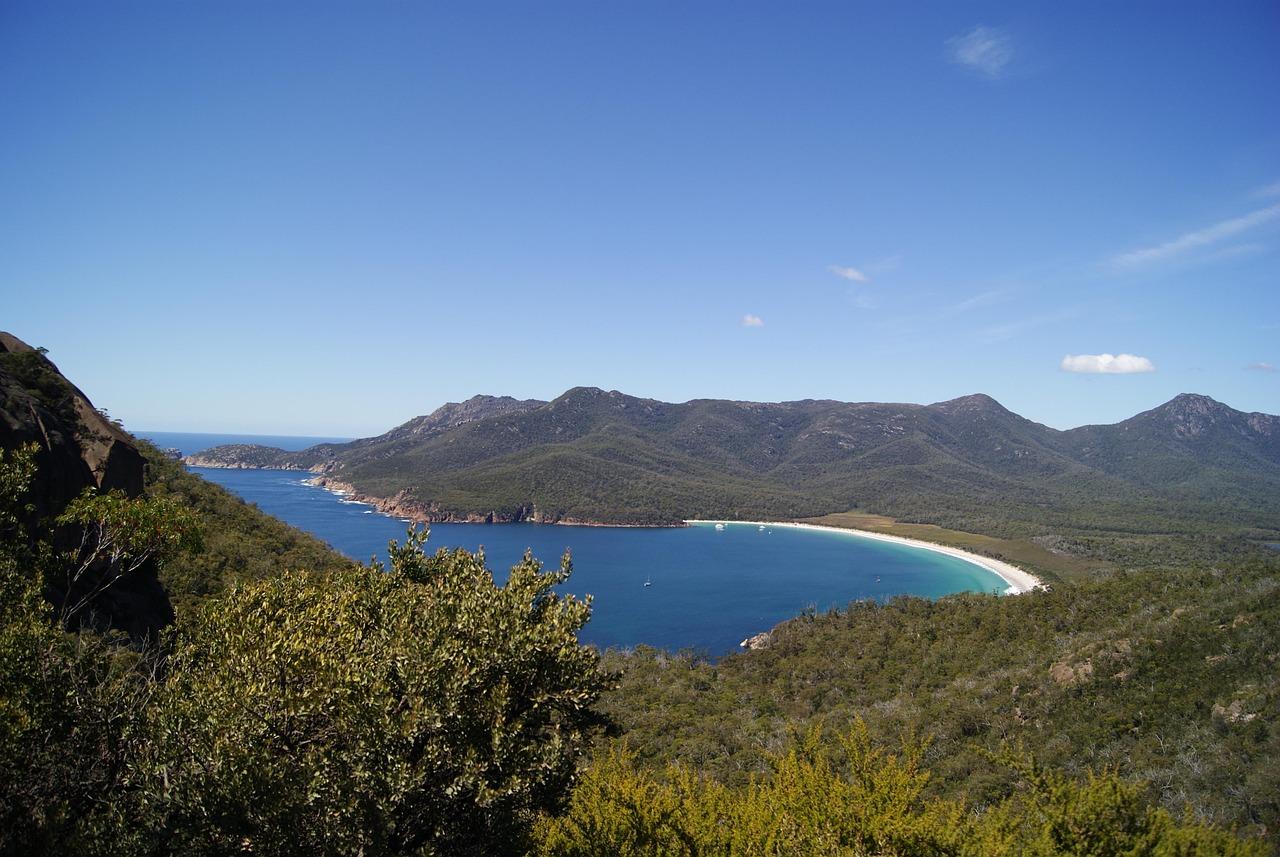
Tourism Tasmania campaign tells visitors it is 'not really for tourists'
Tourism Tasmania has launched a tongue-in-cheek campaign declaring the island state 'not really for tourists' and urging visitors to stay away, fronted by former SBS newsreader Lee Lin Chin.
Tourism Tasmania campaign tells visitors it is 'not really for tourists'
A campaign that turns visitors away
Tourism Tasmania's new tourism Tasmania campaign declares the island state is 'not really for tourists' and tells visitors to stay away, according to the report. The pitch rests on the idea that Australians would rather call themselves a 'traveller' than a 'tourist'.
At its centre is a short video in which a man is directed to the back of an endless queue for a 'world famous' pastry. Rather than wait, he gives up his place and heads for solitude in the Tasmanian outdoors.
Lee Lin Chin fronts the message
Former SBS newsreader Lee Lin Chin helps sell the tongue-in-cheek campaign. Chin, who lives mostly offline without a mobile phone, also fronts videos exploring the walking trails during her visit.
Tourism Tasmania CEO Sarah Kingston Clark said the campaign was deliberately wry rather than anti-visitor, reflecting the 'tensions' of modern travel.
Why tourists want to avoid each other
Prof Can-Seng Ooi, professor of cultural and heritage tourism at the University of Tasmania, read the campaign as speaking to stressed people yearning for 'quietness', particularly mainland urban dwellers.
"Studies have shown that tourists hate themselves," he said. "They want to avoid each other."
Ooi also noted the tone of the material: "The message is very Scandinavian, even the imagery: the sauna, the vinyl records, the books and so on." He positions Tasmania as the cold south where time slows down. His reading draws on two decades spent living in Scandinavia, researching how tourism, culture and heritage contribute to the development of regional destinations.
Experts see reverse psychology, not rejection
Academics read the push as targeting crowds rather than tourists themselves. Prof David Waller, a UTS marketing expert, said the 'Come down for air' theme was less 'anti-tourist' and 'more anti-overcrowded, line-joining, tourist destinations'. Waller also praised the choice of face: "Lee Lin Chin is an icon – intelligent, avant garde and [she has a] dry sense of humour."
Char-lee McLennan, associate professor at QUT's school of management, said the campaign used 'an element of reverse psychology' that could benefit regional economies by steering visitors beyond established hotspots.
McLennan said its success depends on whether the real experience of visiting Tasmania lives up to its promise and delivers meaningful economic benefits to regional communities.


