
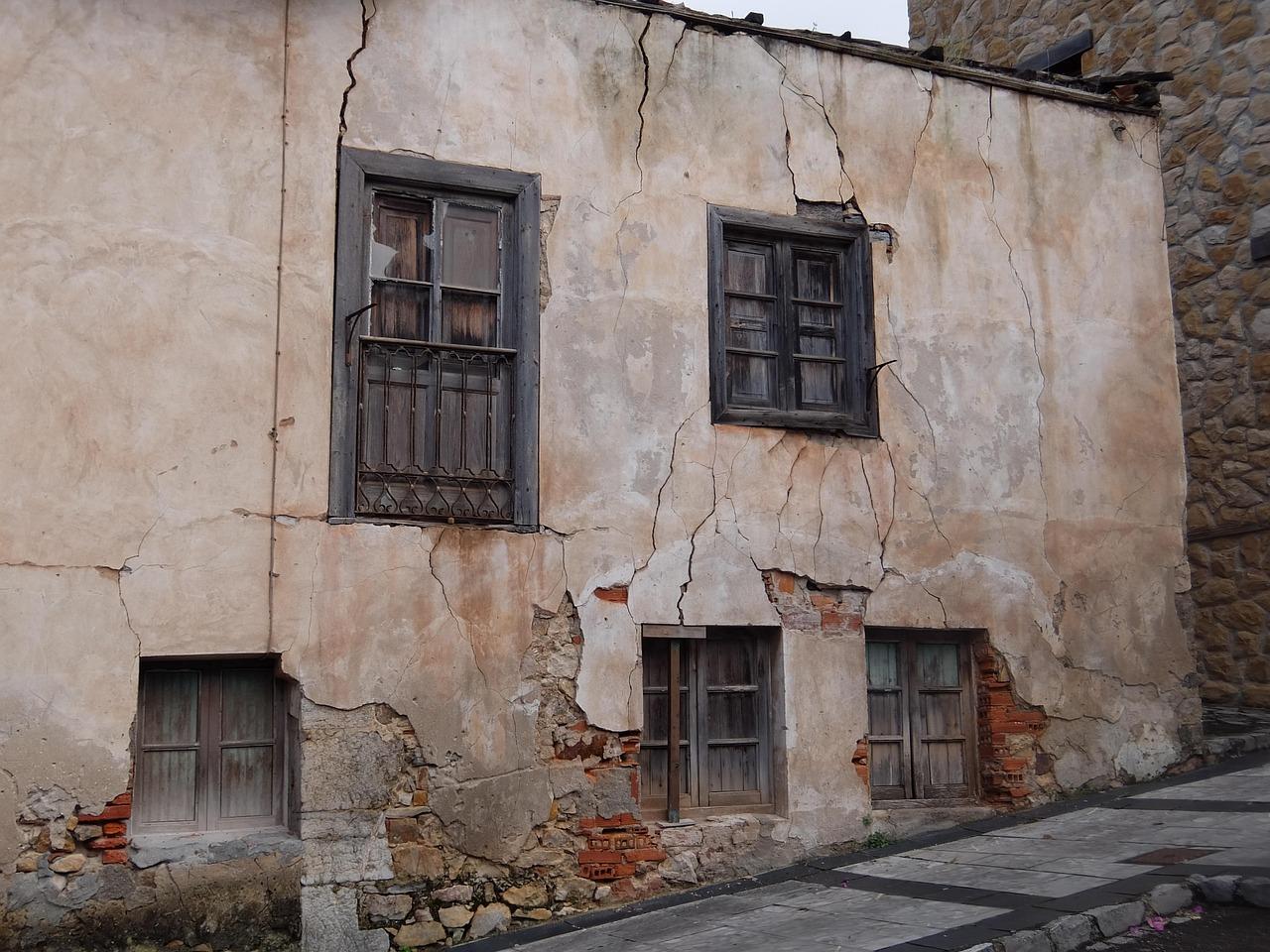
Aviva reports rise in subsidence claims after record UK hot summer
Aviva, the UK's largest insurer, reported on Friday 13 November 2026 a jump in subsidence claims after an extremely hot summer, part of an industry-wide surge in household claims.
Aviva reports rise in subsidence claims after record UK hot summer
Aviva said on Friday 13 November 2026 that it has seen a jump in subsidence claims following an extremely hot summer, amid an industry-wide surge in households filing such claims. The insurer's chief executive Amanda Blanc told Bloomberg the company went through a peak subsidence period between July and September, with claims continuing into October. Aviva would not provide any further detail on the scale of the increase.
Why hot summers trigger subsidence
The pattern behind the claims is climatic. Drier summers cause the ground under houses to shrink, which undermines a property's foundations; wetter winters then make the ground expand again, which can inflict further damage on homes. The rise follows two record hot summers in the UK, and August this year was the joint hottest month ever recorded globally.
Repairs typically address:
- cracks
- sloping floors
- off-kilter doors and windows
An industry-wide surge
Aviva is not alone. Hastings Direct received a record number of subsidence claims in August, up 140% on a year earlier, while Axa, one of the UK's biggest home insurers, described it as a surge year for subsidence.
Industry-wide figures show the cost climbing as well:
- The Association of British Insurers put the typical cost of a claim at £20,000 between April and June - a record, and more than £2,000 above the figure twelve months before.
- Over the same quarter, insurers' payouts for domestic subsidence came to £72m, against £60m a year earlier.
Homes at risk and what owners can do
Blanc advised homeowners to monitor drains, pipes and gutters and to fix leaks. "It's about managing trees and plumbing," she said.
The outlook suggests the risk is growing. The British Geological Survey estimates that up to 11% of UK homes - more than 4.2m houses - could be at risk of subsidence by 2070. Older properties with shallow foundations and those on clay-rich soil are most threatened, with areas including London, Essex, Kent and areas around Oxford among the most vulnerable.
Aviva's wider results
The claims news came alongside Aviva's third-quarter results, which showed a 19% rise in general insurance premiums to £11.8bn. Blanc described the company's performance in the first nine months of 2026 as excellent, with strong profitable growth in general insurance and wealth.
"Aviva is in great shape," she said in a statement alongside the results.


