
Russian diesel tankers heading to US: seven ships with 288,000 tonnes sail as unloading stays uncertain
Seven oil tankers carrying an estimated 288,000 tonnes of Russian diesel are sailing towards the US, tracked by Greenpeace, with unloading uncertain amid a political and legal dispute.
Russian diesel tankers heading to US: seven ships with 288,000 tonnes sail as unloading stays uncertain
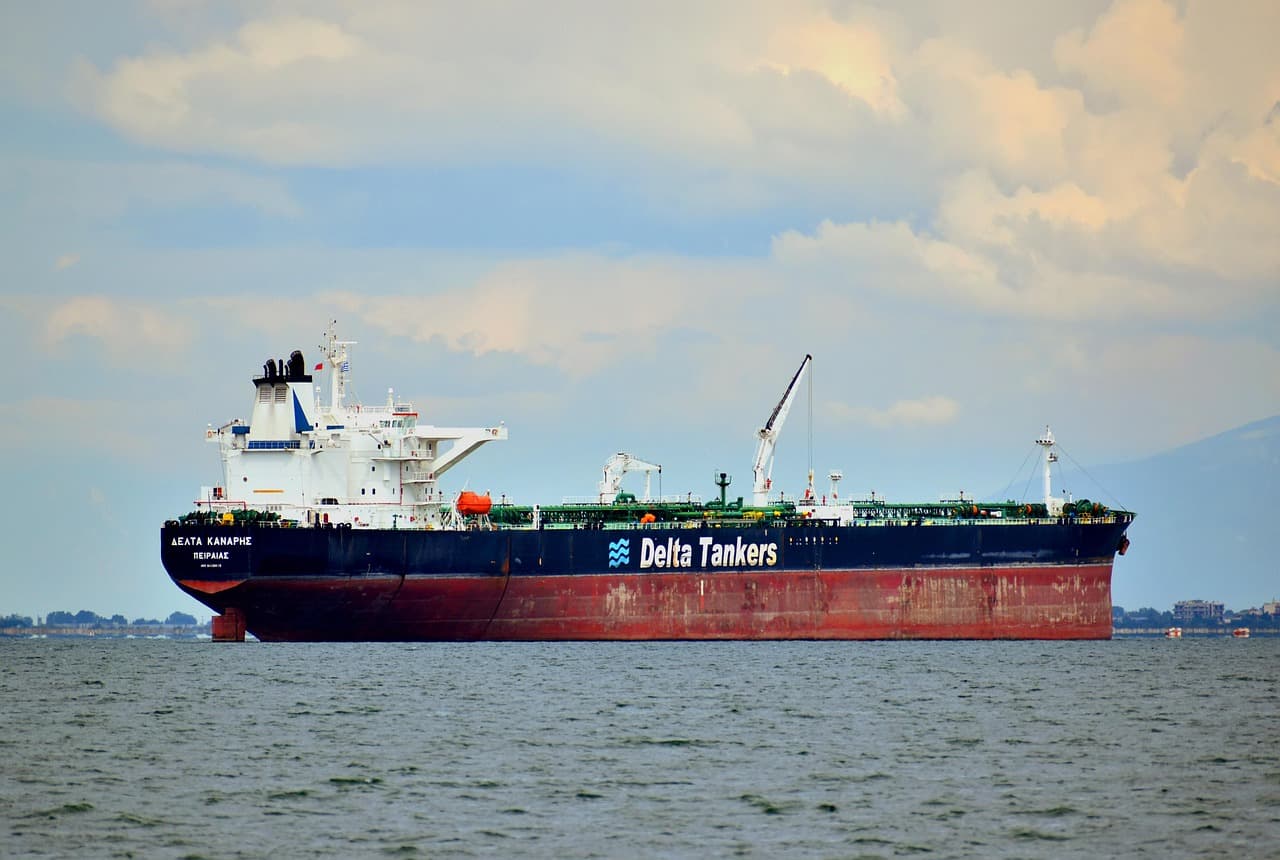
Seven tankers carrying Russian diesel towards the United States form the first phase of a supply agreement between Donald Trump and Vladimir Putin, according to monitoring by Greenpeace. Whether any of the cargo will actually be unloaded remains unclear, with lawmakers, state governors and port operators all drawn into a fast-moving dispute.
Tanker positions tracked by Greenpeace
The environmental group says its monitoring, based on shipping tracking websites, is the most complete picture yet of Russian diesel tankers heading to the US. Earlier reports had counted three ships leaving Russian terminals in the Baltic Sea; the latest count is seven, with an estimated 288,000 tonnes of diesel on board.
- Taurus is the tanker currently closest to the US coast.
- When the tracking map was first published, five of the other ships were near the UK.
- Three vessels were sailing through or into the English Channel.
The Trump-Putin deal and the sanctions waiver
The shipments follow a surprise agreement announced on 9 October, under which Putin agreed to supply the US with 1.8m tonnes of diesel, beginning with 300,000 tonnes immediately. Trump in turn announced a six-month waiver on existing sanctions.
That waiver marks a reversal of sanctions policy dating from February 2022, when Putin launched the full-scale invasion of Ukraine and Russia came under sanctions from the US, EU, UK and other western governments.
Congress, states and hesitant buyers
Earlier this week, Democratic senators led a group of US lawmakers warning banks and port authorities that handling the Russian diesel could expose them to congressional investigations and other legal action. In New Jersey, Democratic governor Mikie Sherrill said she was examining how to stop the diesel being unloaded in her state and described the deal as "corrupt and illegal".
There are reports that the White House has tried to encourage US firms to take the oil, but it is not clear buyers are forthcoming given the legal risks so close to next Tuesday's midterm elections.
Fuel costs have become a political factor: diesel prices in the US have risen from $6.28 a gallon when the deal was announced to $6.33, according to the American Automobile Association. Polling indicates a high likelihood that control of the House of Representatives could pass to the Democrats, while the Senate contest remains too close to call. Trump's popularity has waned as fuel prices soared after he attacked Iran in the spring.
Ukraine and Kremlin responses
Ukrainian president Volodymyr Zelenskyy denounced the agreement, arguing that the revenue would help the Kremlin fund the war and that "backroom deals" gave Putin more chances on the battlefield.
Moscow, meanwhile, has tried to keep details of its oil exports out of public view. A presidential decree from the end of September restricts publication of information about oil exports in an effort to evade international sanctions.
With the ships' positions now plotted, Greenpeace energy specialist Shaun Burnie says Congress or local authorities in the US should halt the cargoes.
Instead of rewarding Russia for its vile war against Ukraine, there needs to be more punitive sanctions against Russia.
Burnie added that the shipments can be stopped. For now, the tankers continue to sail, and where - or whether - the 288,000 tonnes of diesel will come ashore in the US remains an open question.


