Healey will veto offshore wind projects that fail to lower bills
BUSINESS · ENERGY

Healey will veto offshore wind projects that fail to lower bills

Chancellor John Healey said he will veto new offshore wind projects unless they lower energy bills, with subsidy contracts approved only where the grid can carry all the power generated without extra consumer cost.

By LiveDigestPublished Saturday, October 31, 2026 · 12:26 GMT | 3 min read

Healey will veto offshore wind projects that fail to lower bills

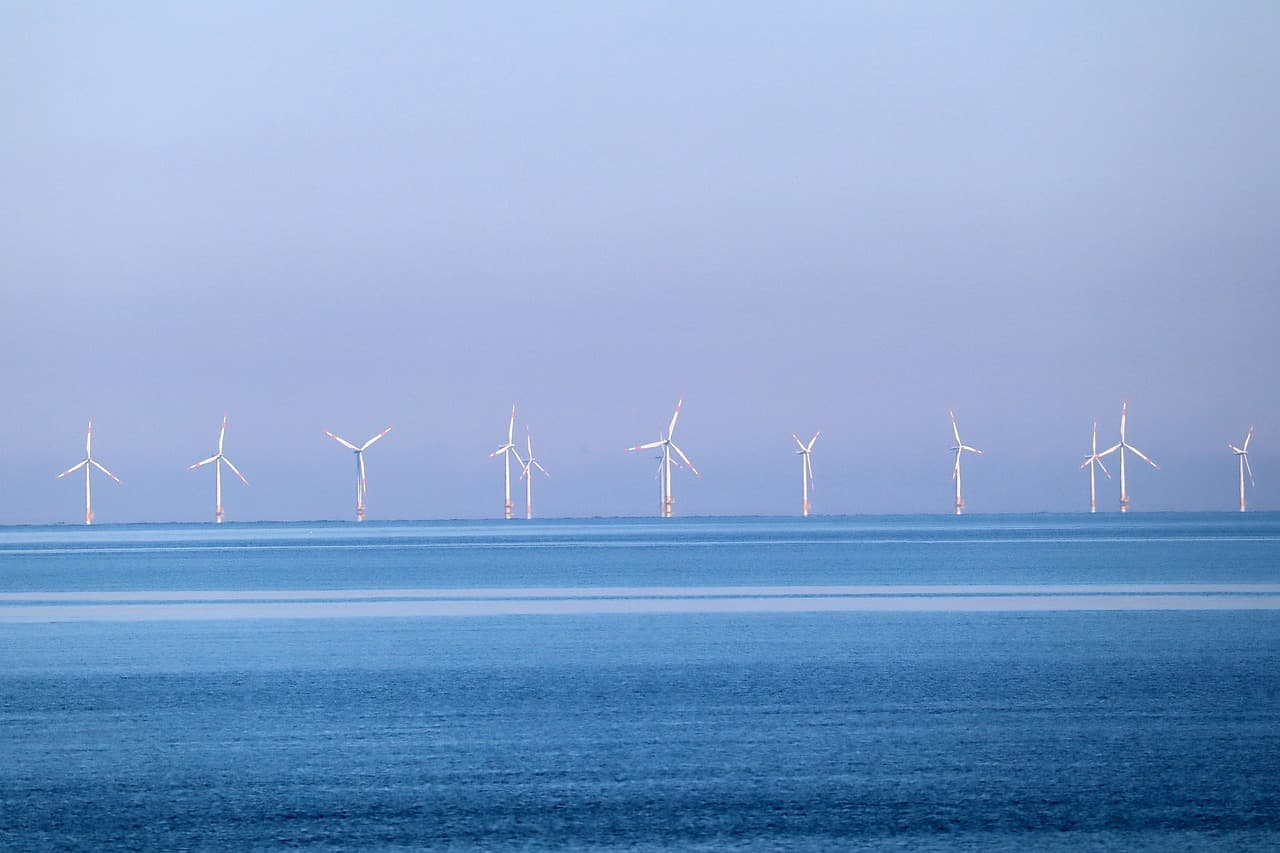
Chancellor John Healey said he will block any new offshore wind projects that fail to bring down energy bills, in a test that will apply to the next round of subsidy contracts. Writing in the Times, he said there was "no sense building power that can't connect and then paying to switch it off", and that the approach would carry into the next renewables auction.

01 / ENERGY

Bids judged on grid capacity and cost

Under the new condition, projects bidding for subsidy contracts will only get ministerial sign-off if the government believes every unit of power they generate could be carried by the grid without raising consumer costs. Healey framed clean power as "how we break the grip of international gas prices on our bills", while arguing the shift "has to come at" the right pace and in places with the grid capacity to handle it.

The concern behind the rule is the cost of paying idle windfarms. The National Energy System Operator, funded through energy bills, currently pays turbines to switch off when cabling capacity is insufficient. A National Audit Office report in September warned that homes and businesses could face an annual bill of £7.8bn by 2030 from wasted wind power.

"There's no sense building power that can't connect and then paying to switch it off."
02 / ENERGY

Clean power 2030 target under question

The move appears to be a further shift away from Labour's target of clean power by 2030. Healey rejected the idea of a retreat, insisting the plan is the credible route to clean power because cheaper electricity will make it easier for businesses and households to electrify.

He defended the record so far, arguing that without the renewable generation added in recent years, this year's gas price shock "would have hit families and firms even harder". He also warned against abandoning the programme:

  • He said those who want to rip up renewables would leave Britain more exposed to volatile markets and the dictators who exploit them
03 / ENERGY

£3bn energy department cuts fund defence

The veto pledge came alongside a budget in which Healey revealed more than £3bn of cuts to the energy department's budget, much of which will pay for higher defence spending. He had announced on Wednesday that the defence investment plan would be funded in part through cuts to other departments.

The cuts caused alarm among renewables experts, who warned that Britain was unlikely to hit its targets on green heating, and which were seen as dismantling Ed Miliband's green agenda.

04 / ENERGY

Heat pump scheme bears the brunt

One casualty of the budget cuts was a reduction in the money available for the government's heat pump subsidy scheme, prompting warnings that clean heating ambitions are being undermined. The cuts include £741m from the boiler upgrade scheme, which incentivises replacing gas boilers with electric heat pumps.

The scheme currently lets a typical household claim £7,500 towards a heat pump, with about 60,000 a year fitted in existing homes. The government has a target to raise that to 250,000 a year by 2030, and had been planning to increase the scheme's funding from £400m this year to just over £700m by 2029-30.

Allies of Miliband and current energy secretary Miatta Fahnbulleh insisted the government's green agenda remained as strong as ever, pointing to Healey's move to shift green costs from bills to taxpayers. The next renewables auction will apply the new grid-and-bills test.


Healey will veto offshore wind projects that fail to lower bills
BUSINESS · ENERGY

Healey will veto offshore wind projects that fail to lower bills

Chancellor John Healey said he will veto new offshore wind projects unless they lower energy bills, with subsidy contracts approved only where the grid can carry all the power generated without extra consumer cost.

By LiveDigestPublished Saturday, October 31, 2026 · 12:26 GMT | 3 min read

Healey will veto offshore wind projects that fail to lower bills

Chancellor John Healey said he will block any new offshore wind projects that fail to bring down energy bills, in a test that will apply to the next round of subsidy contracts. Writing in the Times, he said there was "no sense building power that can't connect and then paying to switch it off", and that the approach would carry into the next renewables auction.

01 / ENERGY

Bids judged on grid capacity and cost

Under the new condition, projects bidding for subsidy contracts will only get ministerial sign-off if the government believes every unit of power they generate could be carried by the grid without raising consumer costs. Healey framed clean power as "how we break the grip of international gas prices on our bills", while arguing the shift "has to come at" the right pace and in places with the grid capacity to handle it.

The concern behind the rule is the cost of paying idle windfarms. The National Energy System Operator, funded through energy bills, currently pays turbines to switch off when cabling capacity is insufficient. A National Audit Office report in September warned that homes and businesses could face an annual bill of £7.8bn by 2030 from wasted wind power.

"There's no sense building power that can't connect and then paying to switch it off."
02 / ENERGY

Clean power 2030 target under question

The move appears to be a further shift away from Labour's target of clean power by 2030. Healey rejected the idea of a retreat, insisting the plan is the credible route to clean power because cheaper electricity will make it easier for businesses and households to electrify.

He defended the record so far, arguing that without the renewable generation added in recent years, this year's gas price shock "would have hit families and firms even harder". He also warned against abandoning the programme:

  • He said those who want to rip up renewables would leave Britain more exposed to volatile markets and the dictators who exploit them
03 / ENERGY

£3bn energy department cuts fund defence

The veto pledge came alongside a budget in which Healey revealed more than £3bn of cuts to the energy department's budget, much of which will pay for higher defence spending. He had announced on Wednesday that the defence investment plan would be funded in part through cuts to other departments.

The cuts caused alarm among renewables experts, who warned that Britain was unlikely to hit its targets on green heating, and which were seen as dismantling Ed Miliband's green agenda.

04 / ENERGY

Heat pump scheme bears the brunt

One casualty of the budget cuts was a reduction in the money available for the government's heat pump subsidy scheme, prompting warnings that clean heating ambitions are being undermined. The cuts include £741m from the boiler upgrade scheme, which incentivises replacing gas boilers with electric heat pumps.

The scheme currently lets a typical household claim £7,500 towards a heat pump, with about 60,000 a year fitted in existing homes. The government has a target to raise that to 250,000 a year by 2030, and had been planning to increase the scheme's funding from £400m this year to just over £700m by 2029-30.

Allies of Miliband and current energy secretary Miatta Fahnbulleh insisted the government's green agenda remained as strong as ever, pointing to Healey's move to shift green costs from bills to taxpayers. The next renewables auction will apply the new grid-and-bills test.

Healey will veto offshore wind projects that fail to lower bills
BUSINESS · ENERGY

Healey will veto offshore wind projects that fail to lower bills

By LiveDigest

Healey will veto offshore wind projects that fail to lower bills

Chancellor John Healey said he will block any new offshore wind projects that fail to bring down energy bills, in a test that will apply to the next round of subsidy contracts. Writing in the Times, he said there was "no sense building power that can't connect and then paying to switch it off", and that the approach would carry into the next renewables auction.

01 / ENERGY

Bids judged on grid capacity and cost

Under the new condition, projects bidding for subsidy contracts will only get ministerial sign-off if the government believes every unit of power they generate could be carried by the grid without raising consumer costs. Healey framed clean power as "how we break the grip of international gas prices on our bills", while arguing the shift "has to come at" the right pace and in places with the grid capacity to handle it.

The concern behind the rule is the cost of paying idle windfarms. The National Energy System Operator, funded through energy bills, currently pays turbines to switch off when cabling capacity is insufficient. A National Audit Office report in September warned that homes and businesses could face an annual bill of £7.8bn by 2030 from wasted wind power.

"There's no sense building power that can't connect and then paying to switch it off."
02 / ENERGY

Clean power 2030 target under question

The move appears to be a further shift away from Labour's target of clean power by 2030. Healey rejected the idea of a retreat, insisting the plan is the credible route to clean power because cheaper electricity will make it easier for businesses and households to electrify.

He defended the record so far, arguing that without the renewable generation added in recent years, this year's gas price shock "would have hit families and firms even harder". He also warned against abandoning the programme:

  • He said those who want to rip up renewables would leave Britain more exposed to volatile markets and the dictators who exploit them
03 / ENERGY

£3bn energy department cuts fund defence

The veto pledge came alongside a budget in which Healey revealed more than £3bn of cuts to the energy department's budget, much of which will pay for higher defence spending. He had announced on Wednesday that the defence investment plan would be funded in part through cuts to other departments.

The cuts caused alarm among renewables experts, who warned that Britain was unlikely to hit its targets on green heating, and which were seen as dismantling Ed Miliband's green agenda.

04 / ENERGY

Heat pump scheme bears the brunt

One casualty of the budget cuts was a reduction in the money available for the government's heat pump subsidy scheme, prompting warnings that clean heating ambitions are being undermined. The cuts include £741m from the boiler upgrade scheme, which incentivises replacing gas boilers with electric heat pumps.

The scheme currently lets a typical household claim £7,500 towards a heat pump, with about 60,000 a year fitted in existing homes. The government has a target to raise that to 250,000 a year by 2030, and had been planning to increase the scheme's funding from £400m this year to just over £700m by 2029-30.

Allies of Miliband and current energy secretary Miatta Fahnbulleh insisted the government's green agenda remained as strong as ever, pointing to Healey's move to shift green costs from bills to taxpayers. The next renewables auction will apply the new grid-and-bills test.