Interest rate rise seen as inevitable, with state spending adding to inflation pressure
BUSINESS · FINANCE

Interest rate rise seen as inevitable, with state spending adding to inflation pressure

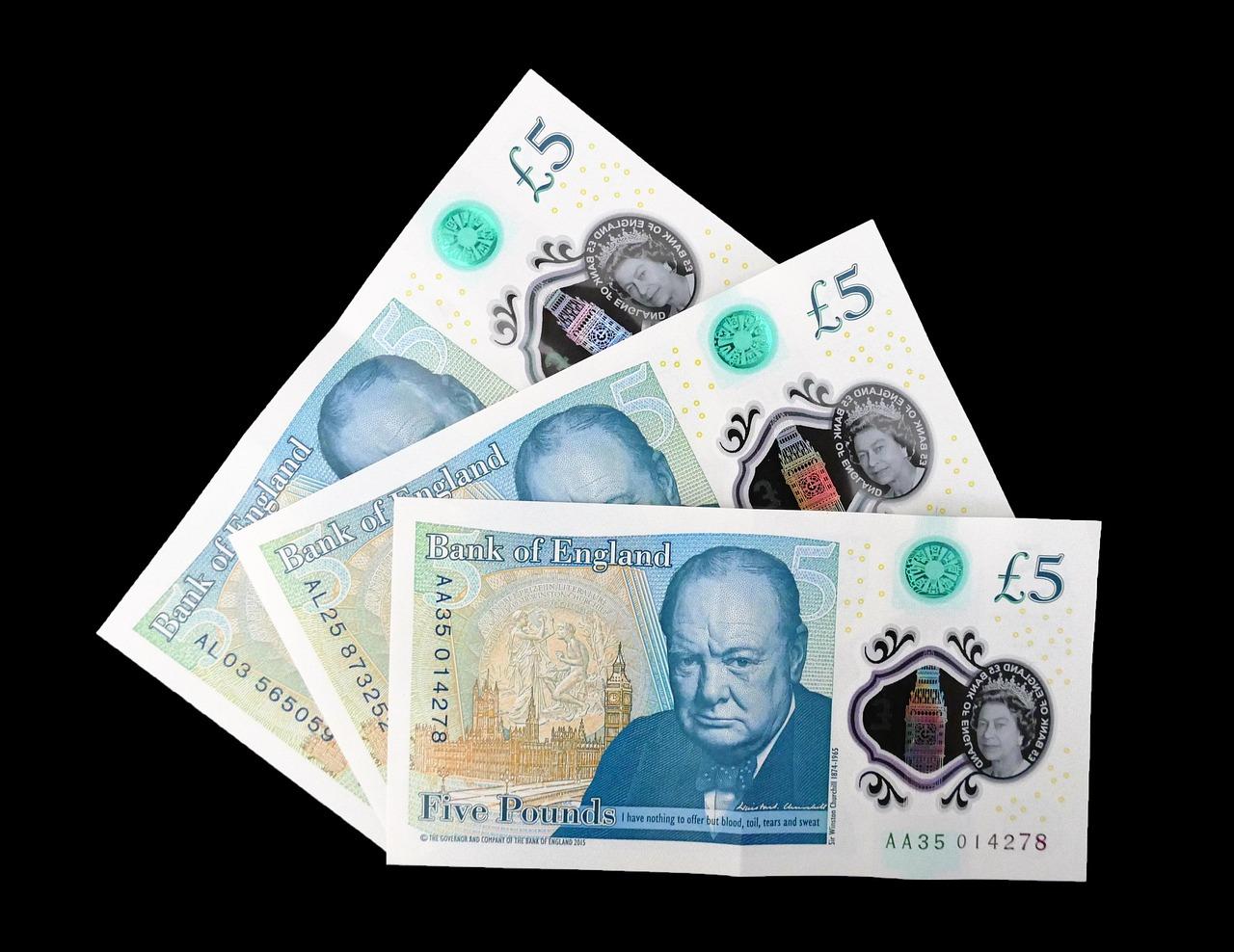
A further interest rate rise from the Bank of England looks likely, with policymakers meeting on 17 December and inflation forecast to reach 5% next spring. Alongside household pressures, the report points to government spending – a quarter of consumption – as a key driver of price rises.

By LiveDigestPublished Saturday, November 14, 2026 · 22:46 GMT | 2 min read

Interest rate rise seen as inevitable, with state spending adding to inflation pressure

01 / FINANCE

Rate rise expected as soon as December

The Bank of England's own forecasts point to inflation reaching 5% next spring, and on that path another increase in borrowing costs appears unavoidable. The Bank's policymakers meet on 17 December, and a growing number of analysts expect them to act then.

Bank of England chief economist Huw Pill has gone further, telling the Financial Times on Saturday that more than one move was in prospect.

more than one rate rise was almost certain
02 / FINANCE

What a rise would mean for borrowers

The immediate effect would be felt in loan and mortgage pricing if the cost of borrowing moves from 4% to 4.25%.

  • Mortgage deals would become more expensive for households remortgaging or taking out new loans.
  • Business loans would also rise, adding to companies' financing costs.
  • With 33 million workers in the UK, policymakers expect many to demand substantial pay increases to keep pace with prices.
03 / FINANCE

Government spending flagged as the weak link

The report's central argument on price pressure concerns the state itself. Government expenditure on goods and services makes up 25% of overall consumption in the economy, which the report presents as the weak link in resisting price rises.

Two examples are cited:

  • The lower Thames crossing, a 14.5-mile (23km) link between Essex and Kent via two tunnels, has seen its costs more than double to £11bn.
  • Spending on consultants reached £3.7bn in 2024-25, up from £2.9bn in 2022-23.
04 / FINANCE

Households running on savings

On the household side, only families in the top half of the income scale have increased their spending this year, and doing so has depended on running down their savings.

A majority of the Bank's policymakers are convinced inflation will be running at more than double the 2% target within a few months. Business surveys, however, have so far failed to detect companies pushing up their own prices.

The next step now falls to the Bank's policymakers at their meeting on 17 December, where a rate rise may come as soon as then.


Interest rate rise seen as inevitable, with state spending adding to inflation pressure
BUSINESS · FINANCE

Interest rate rise seen as inevitable, with state spending adding to inflation pressure

A further interest rate rise from the Bank of England looks likely, with policymakers meeting on 17 December and inflation forecast to reach 5% next spring. Alongside household pressures, the report points to government spending – a quarter of consumption – as a key driver of price rises.

By LiveDigestPublished Saturday, November 14, 2026 · 22:46 GMT | 2 min read

Interest rate rise seen as inevitable, with state spending adding to inflation pressure

01 / FINANCE

Rate rise expected as soon as December

The Bank of England's own forecasts point to inflation reaching 5% next spring, and on that path another increase in borrowing costs appears unavoidable. The Bank's policymakers meet on 17 December, and a growing number of analysts expect them to act then.

Bank of England chief economist Huw Pill has gone further, telling the Financial Times on Saturday that more than one move was in prospect.

more than one rate rise was almost certain
02 / FINANCE

What a rise would mean for borrowers

The immediate effect would be felt in loan and mortgage pricing if the cost of borrowing moves from 4% to 4.25%.

  • Mortgage deals would become more expensive for households remortgaging or taking out new loans.
  • Business loans would also rise, adding to companies' financing costs.
  • With 33 million workers in the UK, policymakers expect many to demand substantial pay increases to keep pace with prices.
03 / FINANCE

Government spending flagged as the weak link

The report's central argument on price pressure concerns the state itself. Government expenditure on goods and services makes up 25% of overall consumption in the economy, which the report presents as the weak link in resisting price rises.

Two examples are cited:

  • The lower Thames crossing, a 14.5-mile (23km) link between Essex and Kent via two tunnels, has seen its costs more than double to £11bn.
  • Spending on consultants reached £3.7bn in 2024-25, up from £2.9bn in 2022-23.
04 / FINANCE

Households running on savings

On the household side, only families in the top half of the income scale have increased their spending this year, and doing so has depended on running down their savings.

A majority of the Bank's policymakers are convinced inflation will be running at more than double the 2% target within a few months. Business surveys, however, have so far failed to detect companies pushing up their own prices.

The next step now falls to the Bank's policymakers at their meeting on 17 December, where a rate rise may come as soon as then.

Interest rate rise seen as inevitable, with state spending adding to inflation pressure
BUSINESS · FINANCE

Interest rate rise seen as inevitable, with state spending adding to inflation pressure

By LiveDigest

Interest rate rise seen as inevitable, with state spending adding to inflation pressure

01 / FINANCE

Rate rise expected as soon as December

The Bank of England's own forecasts point to inflation reaching 5% next spring, and on that path another increase in borrowing costs appears unavoidable. The Bank's policymakers meet on 17 December, and a growing number of analysts expect them to act then.

Bank of England chief economist Huw Pill has gone further, telling the Financial Times on Saturday that more than one move was in prospect.

more than one rate rise was almost certain
02 / FINANCE

What a rise would mean for borrowers

The immediate effect would be felt in loan and mortgage pricing if the cost of borrowing moves from 4% to 4.25%.

  • Mortgage deals would become more expensive for households remortgaging or taking out new loans.
  • Business loans would also rise, adding to companies' financing costs.
  • With 33 million workers in the UK, policymakers expect many to demand substantial pay increases to keep pace with prices.
03 / FINANCE

Government spending flagged as the weak link

The report's central argument on price pressure concerns the state itself. Government expenditure on goods and services makes up 25% of overall consumption in the economy, which the report presents as the weak link in resisting price rises.

Two examples are cited:

  • The lower Thames crossing, a 14.5-mile (23km) link between Essex and Kent via two tunnels, has seen its costs more than double to £11bn.
  • Spending on consultants reached £3.7bn in 2024-25, up from £2.9bn in 2022-23.
04 / FINANCE

Households running on savings

On the household side, only families in the top half of the income scale have increased their spending this year, and doing so has depended on running down their savings.

A majority of the Bank's policymakers are convinced inflation will be running at more than double the 2% target within a few months. Business surveys, however, have so far failed to detect companies pushing up their own prices.

The next step now falls to the Bank's policymakers at their meeting on 17 December, where a rate rise may come as soon as then.