
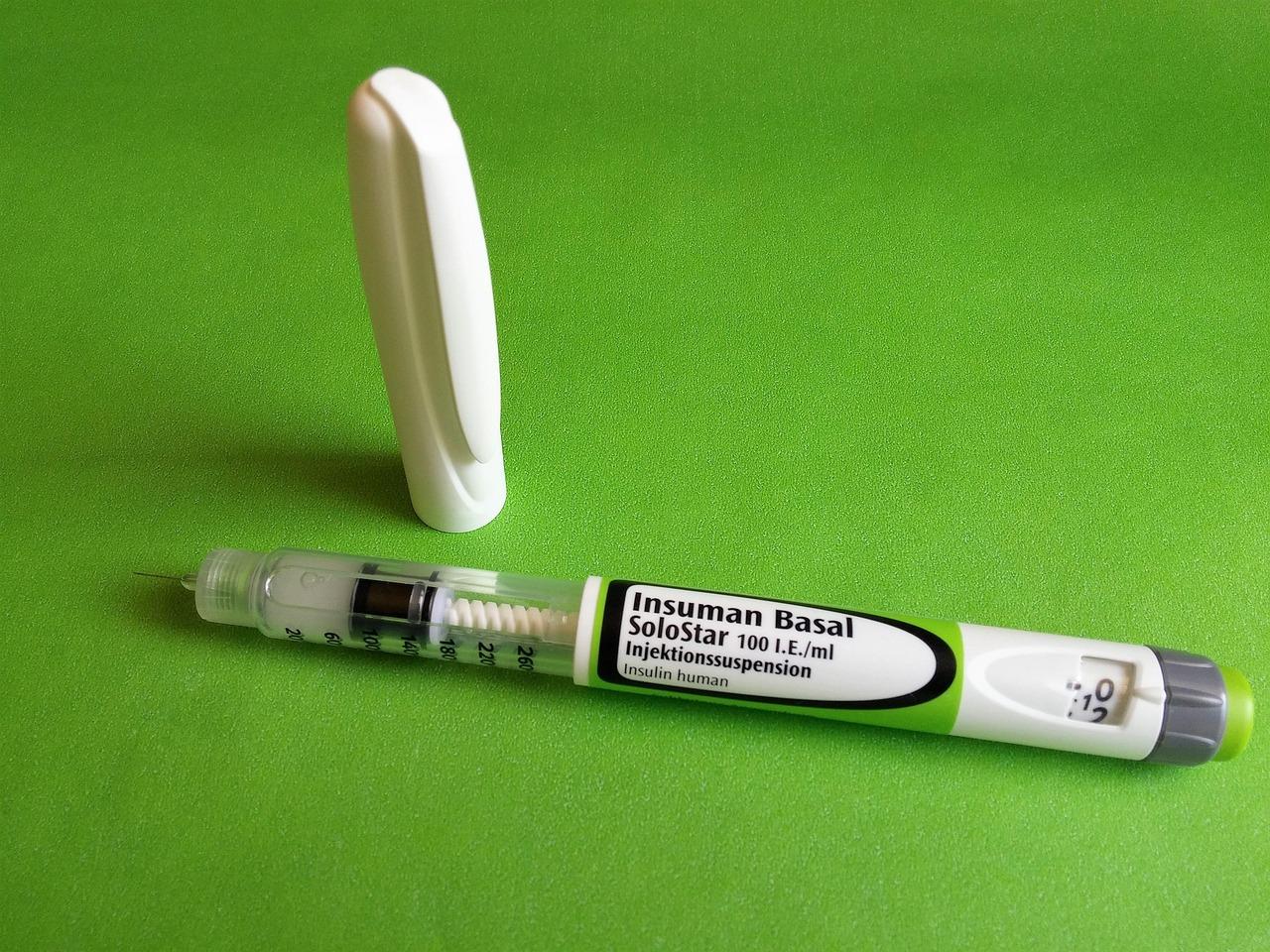
Insulin supply at risk as pharma chases GLP-1 weight-loss drugs, foundation warns
The Access to Medicine Foundation warns that pharmaceutical firms' rush into GLP-1 weight-loss drugs could divert attention and investment away from insulin, threatening supply for diabetes patients worldwide.
Insulin supply at risk as pharma chases GLP-1 weight-loss drugs, foundation warns
Profit gap pulls firms toward weight loss
The Access to Medicine Foundation says the boom in GLP-1 weight-loss drugs risks pulling pharmaceutical companies' focus away from diabetes treatments such as insulin, putting insulin supply at risk. Blockbusters like Novo Nordisk's Ozempic and Eli Lilly's Mounjaro have transformed obesity and diabetes care, but the foundation's report says firms now concentrate on weight loss rather than diabetes.
Demand has soared since the weight-loss jab Wegovy launched in 2021. The commercial logic is clear: companies can charge far higher prices and earn greater profit margins on weight-loss injections and pills than on older medicines such as insulin.
Millions still lack basic insulin
The foundation warns that even basic insulin, critical for people with type 1 diabetes, is out of reach for many, while some countries struggle to access GLP-1 medications at all.
- An estimated 589 million adults globally have diabetes, and 81% of them live in low- and middle-income countries such as Pakistan, Egypt and Jordan.
- GLP-1 medications are not registered in many lower-income countries, and where they are sold, high prices and a lack of equitable pricing measures keep them beyond most people's reach.
- GLP-1s were initially developed to manage type 2 diabetes by regulating blood sugar, slowing digestion and reducing appetite, and are now used by millions in the US and other wealthy countries.
Risk of insulin market exits
Jay Iyer, the foundation's chief executive, said much of the current attention is aimed at the obesity market, which does not help type 1 diabetes patients who cannot get insulin despite more than a century of its development. On the supply side, he pointed to the concentration of insulin manufacturing:
"There is a risk that any of the three – Sanofi, [Eli] Lilly or Novo [Nordisk]– could leave the insulin market"
Such an exit, he said, would be disastrous for supply, particularly for people with type 1 diabetes and insulin-dependent type 2 diabetes. Novo Nordisk has already announced plans to phase out some older diabetes products, including insulin pens.
Health equity ranking
The findings come from the foundation's biennial index, which is part-funded by the UK and Dutch governments and ranks companies on global health equity. Switzerland's Novartis topped the ranking again, having knocked the UK's GSK off the top spot the previous time, while AstraZeneca moved up to third.
- Most medications in development in this area target type 2 diabetes: only 10 of 25 target type 1 diabetes.
- AstraZeneca has access plans for almost all its drugs in late-stage development.
- Nearly two-thirds of cancer drugs are covered by measures to make them available in poorer countries.
Over the index's 20 years, Iyer said, access has become part of corporate strategy at some companies and is sometimes included in executive bonus targets.


