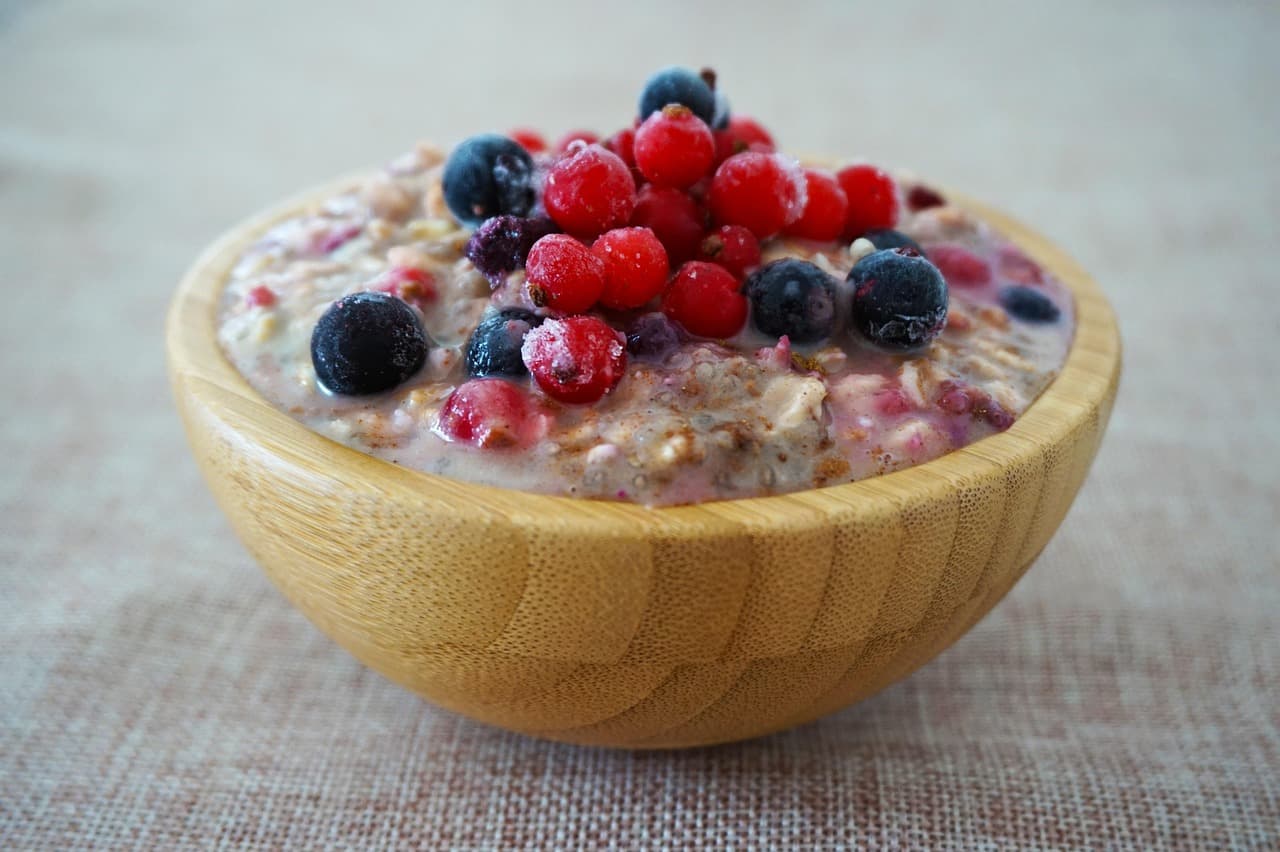
Fibremaxxing porridge: oats boom as fibre seekers and nostalgia fuel a revival
Porridge, once a simple bowl of oats and water, is having a moment as the online 'fibremaxxing' trend and nostalgia drive new interest - Ocado searches for organic jumbo oats are up 98% year on year, according to the report.
Fibremaxxing porridge: oats boom as fibre seekers and nostalgia fuel a revival
Why fibre is pulling people back to oats
The online nutrition trend of "fibremaxxing" is encouraging more people to up their fibre intake, and porridge has become one of its most convenient vehicles, while protein mania continues alongside it. The gap it fills is real: the NHS recommends adults eat 30g of fibre a day, but according to the British Dietetic Association the average intake is only 18g.
Oats are a strong fit for that target. They are a source of the soluble fibre that is essential for gut health and can also help reduce cholesterol levels. Combined with a wave of nostalgia, this has lifted the bowl from breakfast standby to trend, with the numbers to match:
- Searches for organic jumbo oats at Ocado are up 98% year on year.
- Sales of White's jumbo oats are up 56%.
Restaurants and bakeries rethink the bowl
Makers are pushing porridge well past oats, water and a pinch of salt or sugar. Social media recipe creators are experimenting with everything from miso versions to sour cherry and pistachio butter toppings. At 26 Grains, a central London porridge restaurant, this month's offering is a five-grain porridge topped with fig and red grape jam and a dollop of whipped cream. At Oatis in west London, toppings range from caramelised banana and tahini to mushrooms and pesto.
Smaller producers are part of the shift too. Hedié Rhodes founded Husk & Honey in south London, the UK's first dedicated cereals bakery, which began in 2015 specialising in granola and now sells porridge blends. Its bestsellers include cinnamon bark and cranberry and a spiced apple version.
Farther north, Café Cùil on the Isle of Skye serves a "wee porridge" featuring pinhead oats that are soaked in oat milk overnight, currently finished with hazelnut praline brittle and poached pears. Its founder, chef and writer Clare Coghill, recently tasted 86 bowls of porridge in her role on the judging panel of the world porridge-making championship held annually in the Scottish Highlands.
What the makers say
Alex Hely-Hutchinson, founder of 26 Grains, sees the bowl as a comfort food that offers a moment for pause in a busy world and something nearly everyone knows how to make. Her own version leans soft: she uses a mix of jumbo and rolled oats for creaminess plus rye, barley and malted wheat for added texture and "a slight fermented note", while some recipes replace oats with rice, amaranth or quinoa.
"Porridge is so nostalgic, I make it how my mum used to for me."
For others, the appeal lies in customisation. Rhodes says porridge's personalisation aspect drives the trend: you can make a big pan of it and everyone in the family can still have a different style. Alex Hayes, co-founder of food innovation studio Harris and Hayes, compares porridge to salads and smoothies as a great canvas for adding specific toppings that suit specific taste and nutritional needs, citing nut butters and psyllium husk.
Beyond breakfast
The revival is no longer confined to the morning. Hely-Hutchinson says customers at 26 Grains get annoyed if porridge is not available on the menu past 3pm. Hayes expects more savoury porridge options ahead, taking influence from Chinese congee, a traditional savoury rice pudding, and Indian kitchari, made with yellow split mung beans.
Rhodes frames the mood among producers the same way, saying it is really interesting pushing the limits with oats and there are so many avenues to explore. If the trend has one drawback, the report notes, it is having to wash up the pan.