Jim Chalmers economy trade-offs: budget choices where fixing one problem worsens another
Treasurer Jim Chalmers heads into December's mid-year budget update with forecasts downgraded to slower growth and higher unemployment, and a set of choices where each fix makes another problem worse.
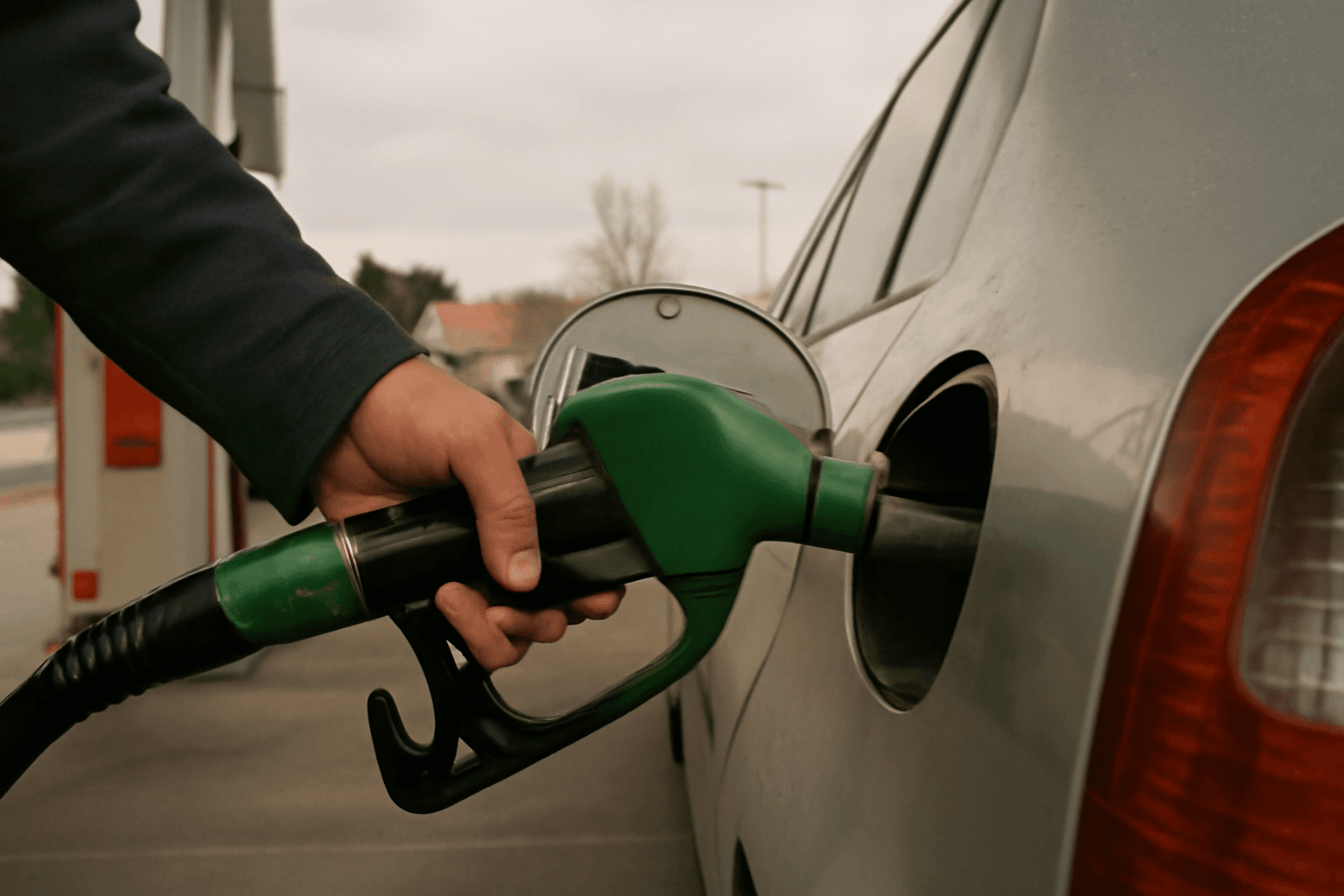
A fuel bowser nozzle resting in a car's filler at a suburban petrol station under overcast skies, a hand reaching in from the edge of the frame.
Forecasts downgraded before the mid-year update
Jim Chalmers told an audience the week before the latest budget revelations that the economy would be "a bit better" in a year's time. But the picture he laid out on Friday morning was grimmer: officials are downgrading their forecasts ahead of December's mid-year budget update to show slower growth and higher unemployment. The trade-offs now facing the Treasurer centre on that update, where every available option carries a cost somewhere else.
The fuel excise dilemma
The first choice on the table is petrol. Motorists are paying 60 cents more for a litre than they were before the US and Israel attacked Iran, and a fill-up of a 60-litre tank now costs an extra $36. A family filling up weekly is out of pocket by $144 a month compared with February.
A temporary cut to the fuel excise would take some of that pressure off at the bowser. But it creates a problem of its own:
- Petrol prices would fall, easing cost-of-living pressure on households.
- The billions of dollars such a cut pumps into motorists' pockets would make it harder for the RBA to bring inflation back under control.
Spending cuts cut both ways
The mirror image of the excise dilemma sits on the other side of the ledger. The high level of government spending is not helping the inflation fight - a point the opposition makes often - so deep cuts in the December update would give the central bank room. Yet those same cuts would drag on an already weak economy and push unemployment higher.
Weak productivity growth compounds the bind: the economy hits its speed limits sooner, producing more inflation at lower rates of growth. Reserve Bank official Andrew Hauser has called the combination of high inflation, low growth and rising unemployment a central banker's "nightmare".
Hostage to two wars
Chalmers frames the position as one Australia does not control. Two wars are pushing up inflation and weighing on growth worldwide, he said, and the Treasurer cannot do much about where they go next.
"we're hostage as well to decisions taken in DC or Tehran or in Eastern Europe"
The overnight moves show why. A broadening Middle East conflict pushed the global benchmark oil price to US$113, within sight of its April high of nearly US$120. Westpac analysts have sketched an "escalation" scenario in which oil climbs towards US$150, echoing IMF warnings earlier in the month. The New York Times reported overnight that the US and Israel have drawn up plans to restart attacks on Iran after the American midterm elections.
The pressures are not only external. AI-related spending, which had been supporting the global economy, has wobbled - worries about surging debt among companies building AI infrastructure were the trigger for another steep sell-off on Wall Street overnight, and community opposition to the datacentre build-out could stall the rush towards an AI future. Domestically, markets are bracing for a potential fifth interest rate hike on 3 November.
Chalmers told Politico the human cost is what weighs on him most: "The pressures on people right now are very substantial and obviously that keeps me awake at night."
Attention now turns to December's mid-year economic and fiscal outlook, where officials' downgraded forecasts of slower growth and higher unemployment will land and the trade-offs must be settled.