Australia inflation rate hits 4.9% as unemployment reaches five-year highs before Christmas
BUSINESS · LABOUR

Australia inflation rate hits 4.9% as unemployment reaches five-year highs before Christmas

Australia's annual inflation rate jumped to 4.9% in the year to October, up from 4.3%, landing with unemployment at five-year highs and cost-of-living pressures peaking before Christmas. Treasurer Jim Chalmers called it a very serious moment for the economy.

By LiveDigestPublished Wednesday, November 25, 2026 · 09:06 GMT | 3 min read

Australia inflation rate hits 4.9% as unemployment reaches five-year highs before Christmas

01 / LABOUR

Chalmers warns of a serious moment for the economy

The Australian Bureau of Statistics released the consumer price report on Wednesday, showing the annual australia inflation rate climbing to 4.9% from 4.3% in the year to October. The reading arrives with unemployment at five-year highs as household costs peak in the run-up to Christmas, and amid fears the country could slide into recession next year.

Treasurer Jim Chalmers described the figures as "a very serious moment for our economy". He will hand down a mid-year budget update in about three weeks and has again pledged substantial savings to help ease inflationary pressures, while cautioning on the limits of what the budget can do.

"There's no amount of responsible cost of living relief or budget savings which will make this inflation challenge go away overnight"
02 / LABOUR

Temporary shocks: fuel and electricity drove the jump

The ABS attributed the larger-than-expected rise to temporary shocks: surging fuel costs and the end of electricity rebates.

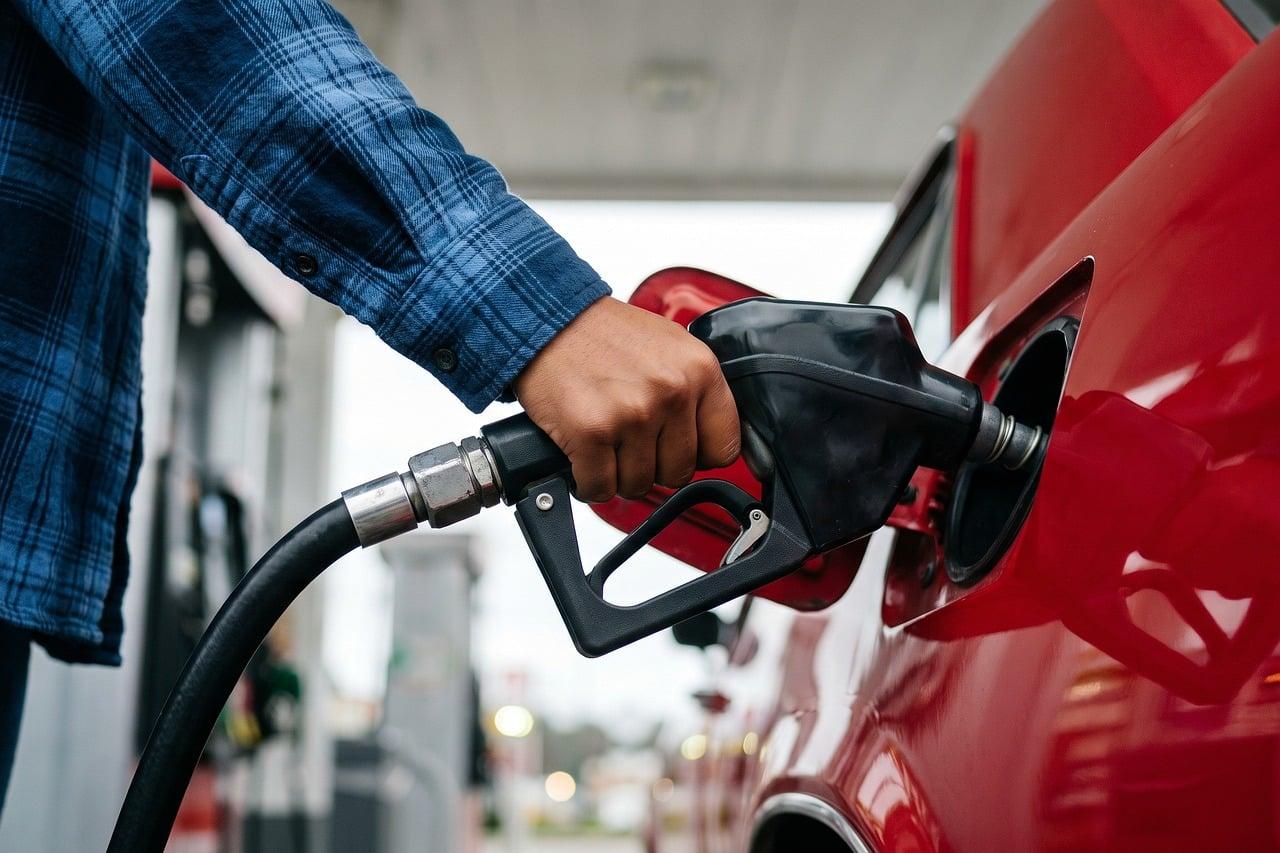
  • Fuel costs climbed 6.3% in October and are about 33% higher over the year.
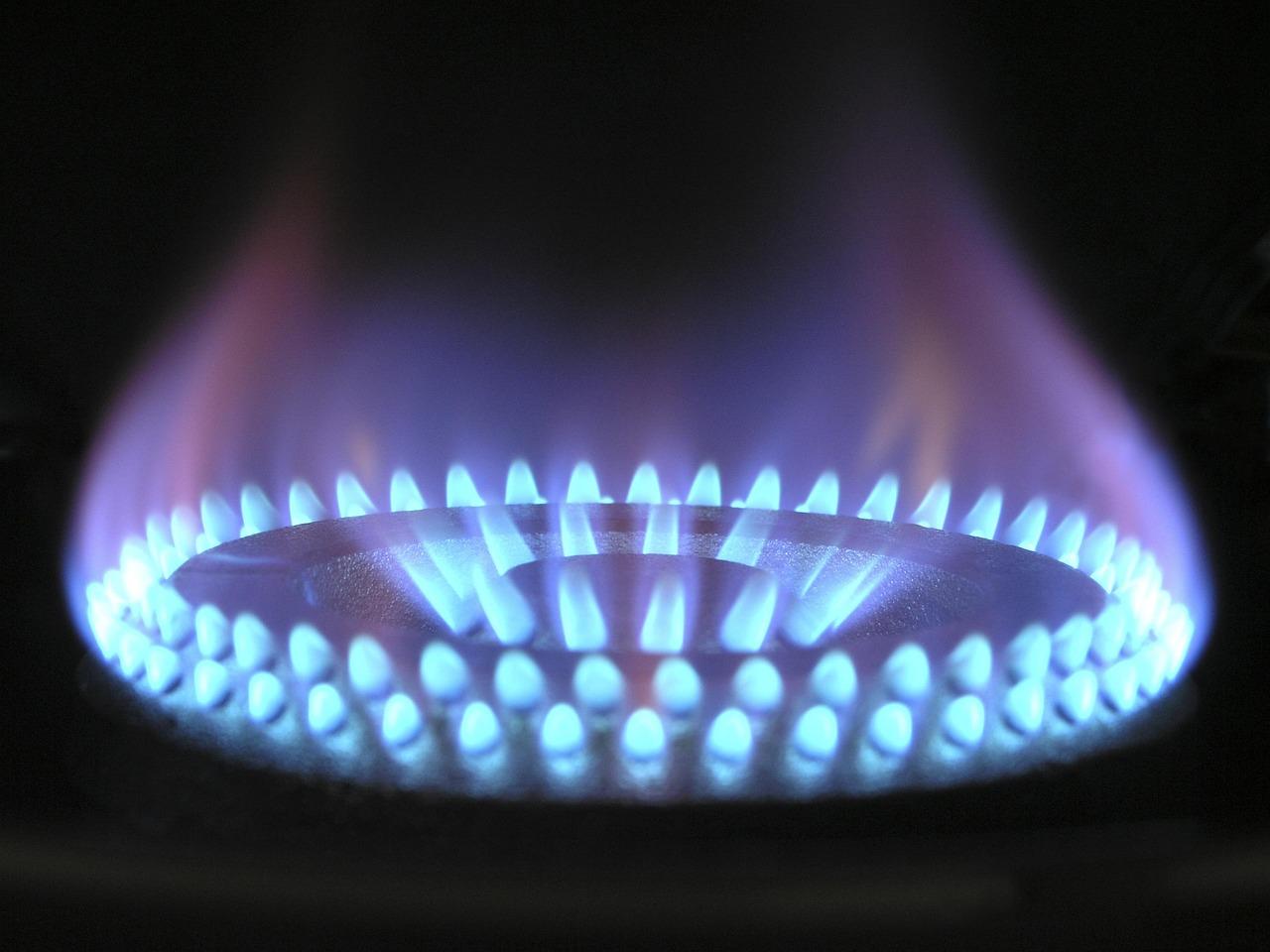
  • Electricity prices were 25% higher than a year earlier, reflecting the end of government power bill subsidies.
  • The Reserve Bank's preferred trimmed mean inflation measure, which strips out the most volatile prices, rose to 3.8% - above the 3.6% economists had expected.

ABS head of price statistics Rachael McCririck said removing the impact of these temporary shocks on fuel and electricity gives a better idea of underlying price pressures.

03 / LABOUR

Household costs climbing across the board

Beyond the headline drivers, cost pressures are broad. Building cost inflation accelerated to 5.1% in the year to October, up from 4.7%, as project home builders passed on higher labour and material prices. Childcare, hairdressing and insurance prices each climbed by more than 5% through the year.

04 / LABOUR

Economists see no December rate hike

Analysts said the RBA is unlikely to be tempted into a sixth interest rate hike at its next board meeting on 7-8 December. KPMG chief economist Brendan Rynne said the inflation jump is still unlikely to result in a further rate rise this year, and expects the central bank to hold until February.

NAB senior economist Taylor Nugent went further: "Our view remains that the RBA is done hiking." He expects two rate cuts next year starting in August, and possibly three in 2027 if the labour market weakens faster than anticipated.

Economists remain confident that price pressures have peaked and will ease through 2027 as this year's fuel and electricity shocks fade. Deloitte Access Economics partner Stephen Smith said the numbers underscore the difficult balance the federal government faces between cutting spending and avoiding a downturn - the task Chalmers now takes into the mid-year update in about three weeks.
Australia inflation rate hits 4.9% as unemployment reaches five-year highs before Christmas
BUSINESS · LABOUR

Australia inflation rate hits 4.9% as unemployment reaches five-year highs before Christmas

Australia's annual inflation rate jumped to 4.9% in the year to October, up from 4.3%, landing with unemployment at five-year highs and cost-of-living pressures peaking before Christmas. Treasurer Jim Chalmers called it a very serious moment for the economy.

By LiveDigestPublished Wednesday, November 25, 2026 · 09:06 GMT | 3 min read

Australia inflation rate hits 4.9% as unemployment reaches five-year highs before Christmas

01 / LABOUR

Chalmers warns of a serious moment for the economy

The Australian Bureau of Statistics released the consumer price report on Wednesday, showing the annual australia inflation rate climbing to 4.9% from 4.3% in the year to October. The reading arrives with unemployment at five-year highs as household costs peak in the run-up to Christmas, and amid fears the country could slide into recession next year.

Treasurer Jim Chalmers described the figures as "a very serious moment for our economy". He will hand down a mid-year budget update in about three weeks and has again pledged substantial savings to help ease inflationary pressures, while cautioning on the limits of what the budget can do.

"There's no amount of responsible cost of living relief or budget savings which will make this inflation challenge go away overnight"
02 / LABOUR

Temporary shocks: fuel and electricity drove the jump

The ABS attributed the larger-than-expected rise to temporary shocks: surging fuel costs and the end of electricity rebates.

  • Fuel costs climbed 6.3% in October and are about 33% higher over the year.
  • Electricity prices were 25% higher than a year earlier, reflecting the end of government power bill subsidies.
  • The Reserve Bank's preferred trimmed mean inflation measure, which strips out the most volatile prices, rose to 3.8% - above the 3.6% economists had expected.

ABS head of price statistics Rachael McCririck said removing the impact of these temporary shocks on fuel and electricity gives a better idea of underlying price pressures.

03 / LABOUR

Household costs climbing across the board

Beyond the headline drivers, cost pressures are broad. Building cost inflation accelerated to 5.1% in the year to October, up from 4.7%, as project home builders passed on higher labour and material prices. Childcare, hairdressing and insurance prices each climbed by more than 5% through the year.

04 / LABOUR

Economists see no December rate hike

Analysts said the RBA is unlikely to be tempted into a sixth interest rate hike at its next board meeting on 7-8 December. KPMG chief economist Brendan Rynne said the inflation jump is still unlikely to result in a further rate rise this year, and expects the central bank to hold until February.

NAB senior economist Taylor Nugent went further: "Our view remains that the RBA is done hiking." He expects two rate cuts next year starting in August, and possibly three in 2027 if the labour market weakens faster than anticipated.

Economists remain confident that price pressures have peaked and will ease through 2027 as this year's fuel and electricity shocks fade. Deloitte Access Economics partner Stephen Smith said the numbers underscore the difficult balance the federal government faces between cutting spending and avoiding a downturn - the task Chalmers now takes into the mid-year update in about three weeks.

Australia inflation rate hits 4.9% as unemployment reaches five-year highs before Christmas
BUSINESS · LABOUR

Australia inflation rate hits 4.9% as unemployment reaches five-year highs before Christmas

By LiveDigest

Australia inflation rate hits 4.9% as unemployment reaches five-year highs before Christmas

01 / LABOUR

Chalmers warns of a serious moment for the economy

The Australian Bureau of Statistics released the consumer price report on Wednesday, showing the annual australia inflation rate climbing to 4.9% from 4.3% in the year to October. The reading arrives with unemployment at five-year highs as household costs peak in the run-up to Christmas, and amid fears the country could slide into recession next year.

Treasurer Jim Chalmers described the figures as "a very serious moment for our economy". He will hand down a mid-year budget update in about three weeks and has again pledged substantial savings to help ease inflationary pressures, while cautioning on the limits of what the budget can do.

"There's no amount of responsible cost of living relief or budget savings which will make this inflation challenge go away overnight"
02 / LABOUR

Temporary shocks: fuel and electricity drove the jump

The ABS attributed the larger-than-expected rise to temporary shocks: surging fuel costs and the end of electricity rebates.

  • Fuel costs climbed 6.3% in October and are about 33% higher over the year.
  • Electricity prices were 25% higher than a year earlier, reflecting the end of government power bill subsidies.
  • The Reserve Bank's preferred trimmed mean inflation measure, which strips out the most volatile prices, rose to 3.8% - above the 3.6% economists had expected.

ABS head of price statistics Rachael McCririck said removing the impact of these temporary shocks on fuel and electricity gives a better idea of underlying price pressures.

03 / LABOUR

Household costs climbing across the board

Beyond the headline drivers, cost pressures are broad. Building cost inflation accelerated to 5.1% in the year to October, up from 4.7%, as project home builders passed on higher labour and material prices. Childcare, hairdressing and insurance prices each climbed by more than 5% through the year.

04 / LABOUR

Economists see no December rate hike

Analysts said the RBA is unlikely to be tempted into a sixth interest rate hike at its next board meeting on 7-8 December. KPMG chief economist Brendan Rynne said the inflation jump is still unlikely to result in a further rate rise this year, and expects the central bank to hold until February.

NAB senior economist Taylor Nugent went further: "Our view remains that the RBA is done hiking." He expects two rate cuts next year starting in August, and possibly three in 2027 if the labour market weakens faster than anticipated.

Economists remain confident that price pressures have peaked and will ease through 2027 as this year's fuel and electricity shocks fade. Deloitte Access Economics partner Stephen Smith said the numbers underscore the difficult balance the federal government faces between cutting spending and avoiding a downturn - the task Chalmers now takes into the mid-year update in about three weeks.