Apple memory chip prices: Ternus warns of 'unprecedented' rise squeezing margins
Apple has warned investors of an "unprecedented" rise in memory chip prices as it competes with datacentres for supplies, saying higher costs will squeeze its profit margins. Shares fell 2.75% in after-hours trading after Monday's warning.
Apple memory chip prices: Ternus warns of 'unprecedented' rise squeezing margins
'Unprecedented' pricing pressure
Apple memory chip prices have been flagged as an "unprecedented" problem, with the company telling investors that higher costs as it battles with datacentres for supplies will eat into its profit margins. The warning came from John Ternus, Apple's new chief executive, on a conference call on Monday.
"What we're seeing with memory pricing right now is unprecedented"
Ternus predicted memory costs in the fourth quarter would exceed the previous three months. He said Apple's decision to raise iPad and MacBook prices in June, followed by iPhone prices in September, had "provided some offset" to the higher costs.
The AI-driven memory crunch
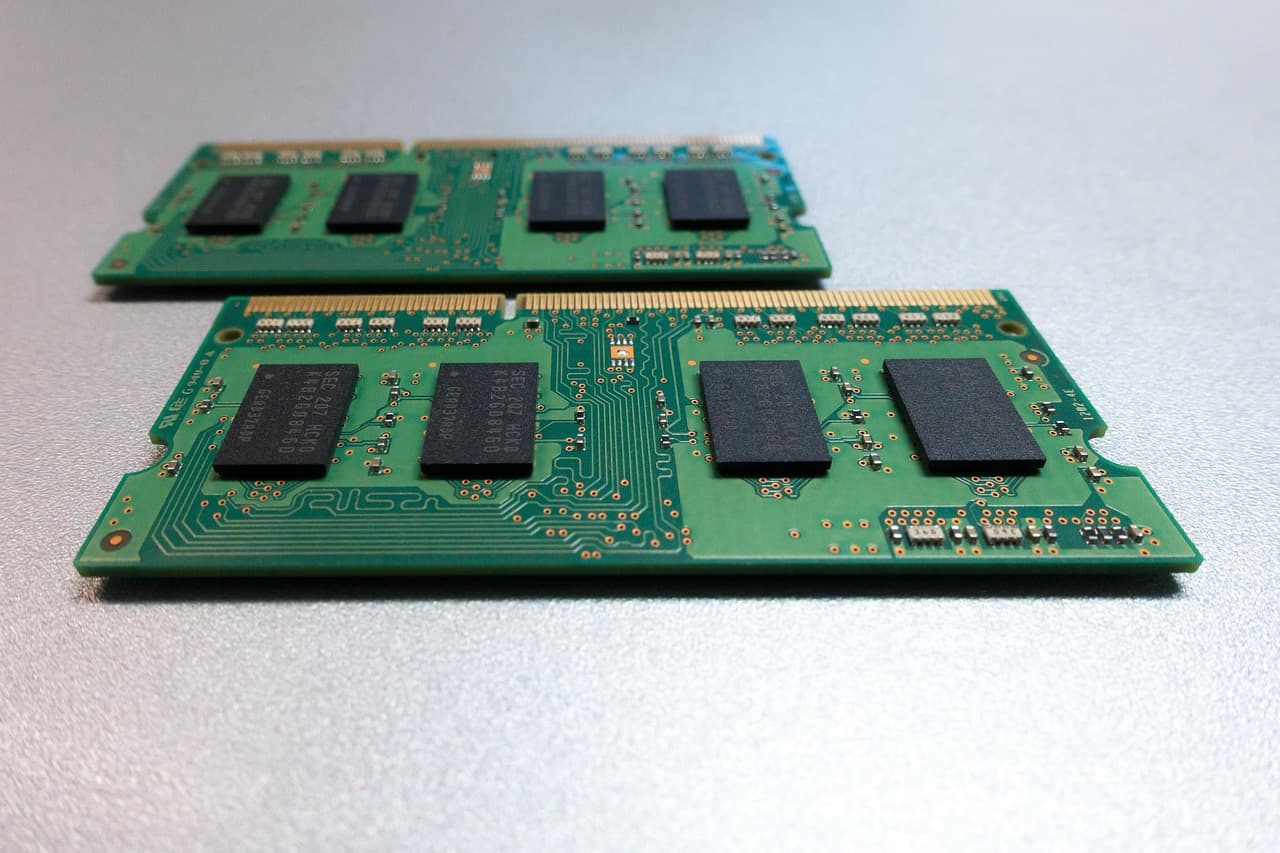
The industry's memory chip shortage has been dubbed "RAMageddon" for months, as demand for memory chips from AI datacentres has surged, driving up prices.
Shares dip despite strong quarter
The warning hit the shares even though Apple reported stronger-than-expected results for the July-September fiscal third quarter. The company earned $30.71bn (£22.89bn), or $2.10 a share, up 12% from $27.47bn, or $1.85 a share, a year earlier, including five cents a share from tariff refunds. Revenue rose 12% to $114.5bn from $102.5bn, beating analysts' average expectations of $1.99 a share on revenue of $113.4bn, according to a FactSet poll.
- Shares were down 2.75% in after-hours trading on Wall Street
- Ternus's tenure as chief executive began in September, and the results gave him an upbeat start
- Apple's results bucked a downward trend: Alphabet, Amazon and Intel had disappointing quarterly results
Ben Barringer, head of technology research at Quilter Cheviot, said Apple's results were "OK, if on the disappointing side", noting revenue up 12% driven by iPhone sales and strong Mac Mini sales. He said China growth was robust while iPad and wearables disappointed, with services growing but below the group average at 10%. Barringer also noted interest in the iPhone Duo, which is not yet on full release and is hoped to drive Apple's next leg of product innovation.
Jacob Bourne, an Emarketer analyst, said record iPhone revenue and strong growth in China demonstrated the resilience of Apple's business. Bourne said Apple's "tepid approach" to AI infrastructure spending had helped preserve its cashflow, and partnerships with companies such as Alphabet could strengthen its AI capabilities without the same financial risks as peers.
The fourth quarter is when memory costs are predicted to exceed the previous three months, with the price squeeze on Apple's margins still to come.