Von der Leyen: no lifting of Russia sanctions unless Moscow stops the war
WORLD · DIPLOMACY

Von der Leyen: no lifting of Russia sanctions unless Moscow stops the war

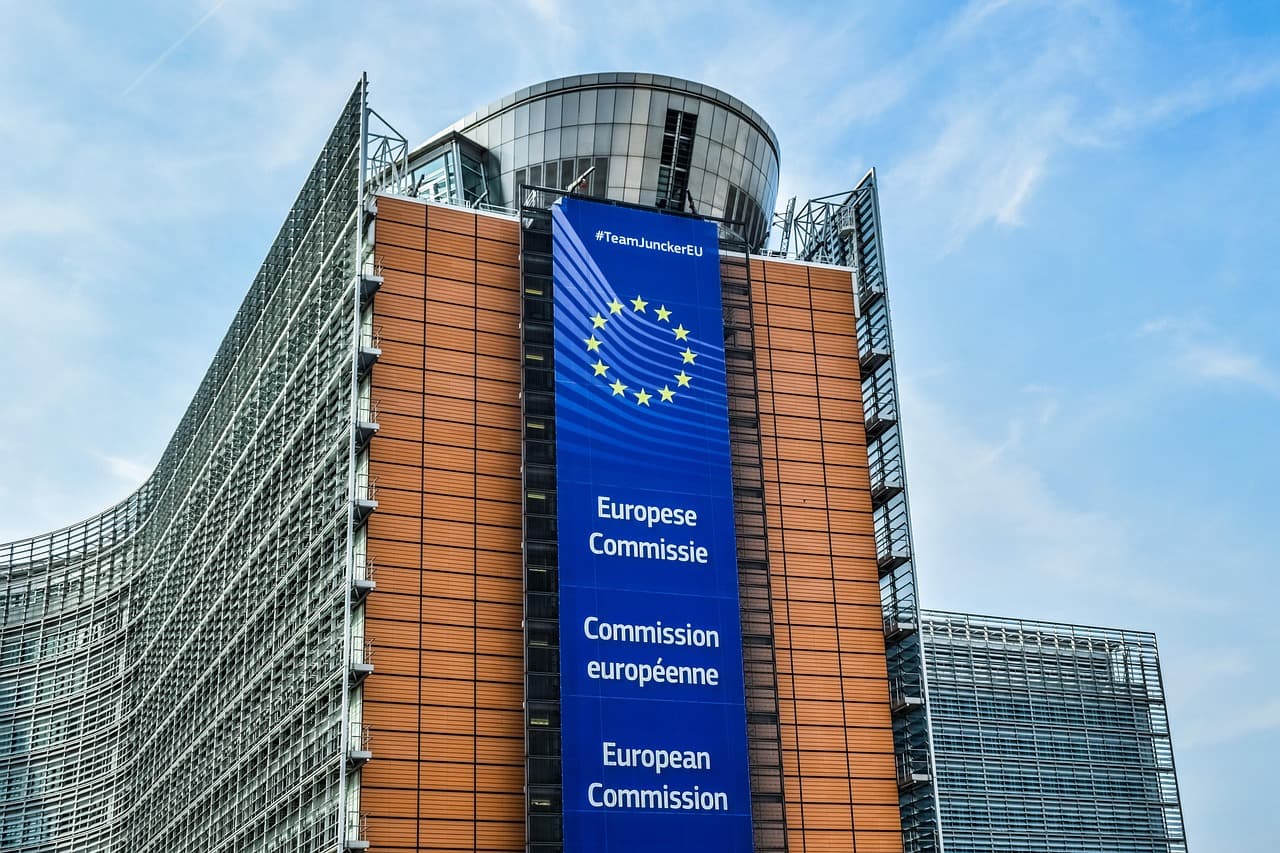
EU leaders met Volodymyr Zelenskyy in Brussels on Friday, 16 October 2026, to discuss Russia's war on Ukraine, with European Commission president Ursula von der Leyen saying on Russia sanctions that the EU will not lift any unless Russia stops the war.

By LiveDigestPublished Friday, October 16, 2026 · 08:50 GMT | 5 min read

Von der Leyen: no lifting of Russia sanctions unless Moscow stops the war

Von der Leyen's Russia sanctions pledge set the tone as leaders arrived for the Brussels meeting with Zelenskyy: in her words, one thing is absolutely clear - no sanctions will be lifted until Russia ends the war. She also blamed Russia for violating Donald Trump's energy ceasefire, saying Moscow had escalated its attacks instead.

The gathering came amid worsening relations between Kyiv and Washington, with the summit itself devoted to the state of Russia's war against Ukraine.

01 / DIPLOMACY

Talks focus on accession clusters and winter support

The centrepiece of the agenda is Ukraine's path to EU membership. Leaders agreed to discuss opening two further accession negotiating clusters before the end of the year.

Beyond enlargement, the talks cover:

  • how to support Ukraine through the coming winter
  • migration
  • foreign policy more broadly
02 / DIPLOMACY

Overnight attacks hit Kharkiv and the power grid

The meeting coincided with a heavy night of Russian attacks. At least three people were killed in the eastern city of Kharkiv, while 370,000 people were left without power in the Volyn region bordering Poland.

Ukraine's ability to repel such strikes is hampered by acute shortages of interceptor missiles - a shortfall that has fed a very public series of disagreements between Zelenskyy and Donald Trump.

03 / DIPLOMACY

Leaders line up on support and frozen assets

European Council president António Costa, arriving alongside Zelenskyy and von der Leyen, said EU support for Ukraine remains as strong as ever.

This is no time to withdraw the support to Ukraine. This is no time to relieve Russia's sanctions.

Costa, quoted on arrival, added that such support is essential to bring Russia to accept a real ceasefire and come to the negotiating table, and pledged: "You can count on us not only to support you in war, but most important for your future as a member of the European Union".

EU foreign policy chief Kaja Kallas described the situation in Ukraine as really grave, with no signs from Russia that it wants to stop the war or agree a truce or peace. She warned that Ukraine needs support to get through what she called a harsh winter, to help Ukrainians survive and defend their country.

On frozen Russian assets, Kallas said she expected the issue to be raised again at the meeting, and noted the EU has agreed not to return the frozen assets unless Russia pays reparations for Ukraine.

Danish prime minister Mette Frederiksen said the situation is very difficult given tensions with the US as winter fast approaches, urging: "We must continue to support Ukraine. Otherwise we are making things far too easy for the Russians".

She warned that fighting a war is expensive, Ukraine is running out of funds and often cannot produce the equipment it needs, particularly for air defence. Russians are striking Ukrainian society much harder than not long ago, she said, and the EU must ensure there is sufficient funding in place for 2027.

Frederiksen also warned that Russia wages war against Europe every single day, directly in Ukraine and through a hybrid war against the rest, and said that if Russia wanted peace, they could simply stop the war.

Irish taoiseach Micheál Martin said the very severe pressure that Ukraine is under needs a European response: opening the accession clusters and deploying the EU's €90bn loan to Ukraine as soon as possible. He called for a clearer landscape on what the EU can offer in the medium term, whether immobilised assets or other mechanisms, noting that earlier asset seizure efforts came to nought in the end.

Europe must maintain pressure on Russia and continue outreach to the United States, he argued, saying Russia has been the aggressor from the beginning. Russia, he said, is simply bombing civilian infrastructure, endeavouring to kill as many people as possible to pressure the civilian population into a climbdown.

Latvian prime minister Andris Kulbergs framed support in blunt terms: if Europe wants comfort - to eat a croissant and drink coffee in the morning without thinking about threats - backing Ukraine is essential. He said Russia was pulled out from under the water by Trump's war in Iran and the crisis in the strait of Hormuz, which increased its oil revenues, and that Ukraine needs financial and military support to get through the harsh winter ahead.

04 / DIPLOMACY

Kyiv–Washington friction at the table

The summit unfolds against strained relations between Kyiv and Washington. Kallas acknowledged the difficulty, saying that with American allies it is very difficult at the moment as the EU tries to convince US partners to put more pressure on Moscow.

Zelenskyy opened his remarks by saying he was happy to have huge support from leaders, real leaders - widely read as a swipe at some other leaders. He said Ukraine wants the war to end as soon as possible but sees no signals from the Russian side that they are ready to end this war, so Ukraine must prepare for winter on both energy and defence.

Frederiksen dismissed media reports that European leaders had asked Zelenskyy to tone down his criticism of Donald Trump, saying she had not heard any European leaders say that.

Sanctions, von der Leyen repeated, stay in place until Russia stops the war, while leaders aim to open two further accession negotiating clusters for Ukraine before the end of the year.
Von der Leyen: no lifting of Russia sanctions unless Moscow stops the war
WORLD · DIPLOMACY

Von der Leyen: no lifting of Russia sanctions unless Moscow stops the war

EU leaders met Volodymyr Zelenskyy in Brussels on Friday, 16 October 2026, to discuss Russia's war on Ukraine, with European Commission president Ursula von der Leyen saying on Russia sanctions that the EU will not lift any unless Russia stops the war.

By LiveDigestPublished Friday, October 16, 2026 · 08:50 GMT | 5 min read

Von der Leyen: no lifting of Russia sanctions unless Moscow stops the war

Von der Leyen's Russia sanctions pledge set the tone as leaders arrived for the Brussels meeting with Zelenskyy: in her words, one thing is absolutely clear - no sanctions will be lifted until Russia ends the war. She also blamed Russia for violating Donald Trump's energy ceasefire, saying Moscow had escalated its attacks instead.

The gathering came amid worsening relations between Kyiv and Washington, with the summit itself devoted to the state of Russia's war against Ukraine.

01 / DIPLOMACY

Talks focus on accession clusters and winter support

The centrepiece of the agenda is Ukraine's path to EU membership. Leaders agreed to discuss opening two further accession negotiating clusters before the end of the year.

Beyond enlargement, the talks cover:

  • how to support Ukraine through the coming winter
  • migration
  • foreign policy more broadly
02 / DIPLOMACY

Overnight attacks hit Kharkiv and the power grid

The meeting coincided with a heavy night of Russian attacks. At least three people were killed in the eastern city of Kharkiv, while 370,000 people were left without power in the Volyn region bordering Poland.

Ukraine's ability to repel such strikes is hampered by acute shortages of interceptor missiles - a shortfall that has fed a very public series of disagreements between Zelenskyy and Donald Trump.

03 / DIPLOMACY

Leaders line up on support and frozen assets

European Council president António Costa, arriving alongside Zelenskyy and von der Leyen, said EU support for Ukraine remains as strong as ever.

Costa, quoted on arrival, added that such support is essential to bring Russia to accept a real ceasefire and come to the negotiating table, and pledged: "You can count on us not only to support you in war, but most important for your future as a member of the European Union".

EU foreign policy chief Kaja Kallas described the situation in Ukraine as really grave, with no signs from Russia that it wants to stop the war or agree a truce or peace. She warned that Ukraine needs support to get through what she called a harsh winter, to help Ukrainians survive and defend their country.

On frozen Russian assets, Kallas said she expected the issue to be raised again at the meeting, and noted the EU has agreed not to return the frozen assets unless Russia pays reparations for Ukraine.

Danish prime minister Mette Frederiksen said the situation is very difficult given tensions with the US as winter fast approaches, urging: "We must continue to support Ukraine. Otherwise we are making things far too easy for the Russians".

She warned that fighting a war is expensive, Ukraine is running out of funds and often cannot produce the equipment it needs, particularly for air defence. Russians are striking Ukrainian society much harder than not long ago, she said, and the EU must ensure there is sufficient funding in place for 2027.

Frederiksen also warned that Russia wages war against Europe every single day, directly in Ukraine and through a hybrid war against the rest, and said that if Russia wanted peace, they could simply stop the war.

Irish taoiseach Micheál Martin said the very severe pressure that Ukraine is under needs a European response: opening the accession clusters and deploying the EU's €90bn loan to Ukraine as soon as possible. He called for a clearer landscape on what the EU can offer in the medium term, whether immobilised assets or other mechanisms, noting that earlier asset seizure efforts came to nought in the end.

Europe must maintain pressure on Russia and continue outreach to the United States, he argued, saying Russia has been the aggressor from the beginning. Russia, he said, is simply bombing civilian infrastructure, endeavouring to kill as many people as possible to pressure the civilian population into a climbdown.

Latvian prime minister Andris Kulbergs framed support in blunt terms: if Europe wants comfort - to eat a croissant and drink coffee in the morning without thinking about threats - backing Ukraine is essential. He said Russia was pulled out from under the water by Trump's war in Iran and the crisis in the strait of Hormuz, which increased its oil revenues, and that Ukraine needs financial and military support to get through the harsh winter ahead.

This is no time to withdraw the support to Ukraine. This is no time to relieve Russia's sanctions.
04 / DIPLOMACY

Kyiv–Washington friction at the table

The summit unfolds against strained relations between Kyiv and Washington. Kallas acknowledged the difficulty, saying that with American allies it is very difficult at the moment as the EU tries to convince US partners to put more pressure on Moscow.

Zelenskyy opened his remarks by saying he was happy to have huge support from leaders, real leaders - widely read as a swipe at some other leaders. He said Ukraine wants the war to end as soon as possible but sees no signals from the Russian side that they are ready to end this war, so Ukraine must prepare for winter on both energy and defence.

Frederiksen dismissed media reports that European leaders had asked Zelenskyy to tone down his criticism of Donald Trump, saying she had not heard any European leaders say that.

Sanctions, von der Leyen repeated, stay in place until Russia stops the war, while leaders aim to open two further accession negotiating clusters for Ukraine before the end of the year.
Von der Leyen: no lifting of Russia sanctions unless Moscow stops the war
WORLD · DIPLOMACY

Von der Leyen: no lifting of Russia sanctions unless Moscow stops the war

By LiveDigest

Von der Leyen: no lifting of Russia sanctions unless Moscow stops the war

Von der Leyen's Russia sanctions pledge set the tone as leaders arrived for the Brussels meeting with Zelenskyy: in her words, one thing is absolutely clear - no sanctions will be lifted until Russia ends the war. She also blamed Russia for violating Donald Trump's energy ceasefire, saying Moscow had escalated its attacks instead.

The gathering came amid worsening relations between Kyiv and Washington, with the summit itself devoted to the state of Russia's war against Ukraine.

01 / DIPLOMACY

Talks focus on accession clusters and winter support

The centrepiece of the agenda is Ukraine's path to EU membership. Leaders agreed to discuss opening two further accession negotiating clusters before the end of the year.

Beyond enlargement, the talks cover:

  • how to support Ukraine through the coming winter
  • migration
  • foreign policy more broadly
02 / DIPLOMACY

Overnight attacks hit Kharkiv and the power grid

The meeting coincided with a heavy night of Russian attacks. At least three people were killed in the eastern city of Kharkiv, while 370,000 people were left without power in the Volyn region bordering Poland.

Ukraine's ability to repel such strikes is hampered by acute shortages of interceptor missiles - a shortfall that has fed a very public series of disagreements between Zelenskyy and Donald Trump.

03 / DIPLOMACY

Leaders line up on support and frozen assets

European Council president António Costa, arriving alongside Zelenskyy and von der Leyen, said EU support for Ukraine remains as strong as ever.

Costa, quoted on arrival, added that such support is essential to bring Russia to accept a real ceasefire and come to the negotiating table, and pledged: "You can count on us not only to support you in war, but most important for your future as a member of the European Union".

EU foreign policy chief Kaja Kallas described the situation in Ukraine as really grave, with no signs from Russia that it wants to stop the war or agree a truce or peace. She warned that Ukraine needs support to get through what she called a harsh winter, to help Ukrainians survive and defend their country.

On frozen Russian assets, Kallas said she expected the issue to be raised again at the meeting, and noted the EU has agreed not to return the frozen assets unless Russia pays reparations for Ukraine.

Danish prime minister Mette Frederiksen said the situation is very difficult given tensions with the US as winter fast approaches, urging: "We must continue to support Ukraine. Otherwise we are making things far too easy for the Russians".

She warned that fighting a war is expensive, Ukraine is running out of funds and often cannot produce the equipment it needs, particularly for air defence. Russians are striking Ukrainian society much harder than not long ago, she said, and the EU must ensure there is sufficient funding in place for 2027.

Frederiksen also warned that Russia wages war against Europe every single day, directly in Ukraine and through a hybrid war against the rest, and said that if Russia wanted peace, they could simply stop the war.

Irish taoiseach Micheál Martin said the very severe pressure that Ukraine is under needs a European response: opening the accession clusters and deploying the EU's €90bn loan to Ukraine as soon as possible. He called for a clearer landscape on what the EU can offer in the medium term, whether immobilised assets or other mechanisms, noting that earlier asset seizure efforts came to nought in the end.

Europe must maintain pressure on Russia and continue outreach to the United States, he argued, saying Russia has been the aggressor from the beginning. Russia, he said, is simply bombing civilian infrastructure, endeavouring to kill as many people as possible to pressure the civilian population into a climbdown.

Latvian prime minister Andris Kulbergs framed support in blunt terms: if Europe wants comfort - to eat a croissant and drink coffee in the morning without thinking about threats - backing Ukraine is essential. He said Russia was pulled out from under the water by Trump's war in Iran and the crisis in the strait of Hormuz, which increased its oil revenues, and that Ukraine needs financial and military support to get through the harsh winter ahead.

This is no time to withdraw the support to Ukraine. This is no time to relieve Russia's sanctions.
04 / DIPLOMACY

Kyiv–Washington friction at the table

The summit unfolds against strained relations between Kyiv and Washington. Kallas acknowledged the difficulty, saying that with American allies it is very difficult at the moment as the EU tries to convince US partners to put more pressure on Moscow.

Zelenskyy opened his remarks by saying he was happy to have huge support from leaders, real leaders - widely read as a swipe at some other leaders. He said Ukraine wants the war to end as soon as possible but sees no signals from the Russian side that they are ready to end this war, so Ukraine must prepare for winter on both energy and defence.

Frederiksen dismissed media reports that European leaders had asked Zelenskyy to tone down his criticism of Donald Trump, saying she had not heard any European leaders say that.

Sanctions, von der Leyen repeated, stay in place until Russia stops the war, while leaders aim to open two further accession negotiating clusters for Ukraine before the end of the year.