Third US aircraft carrier arrives in Middle East as USS Theodore Roosevelt deployment adds troops
WORLD · SECURITY

Third US aircraft carrier arrives in Middle East as USS Theodore Roosevelt deployment adds troops

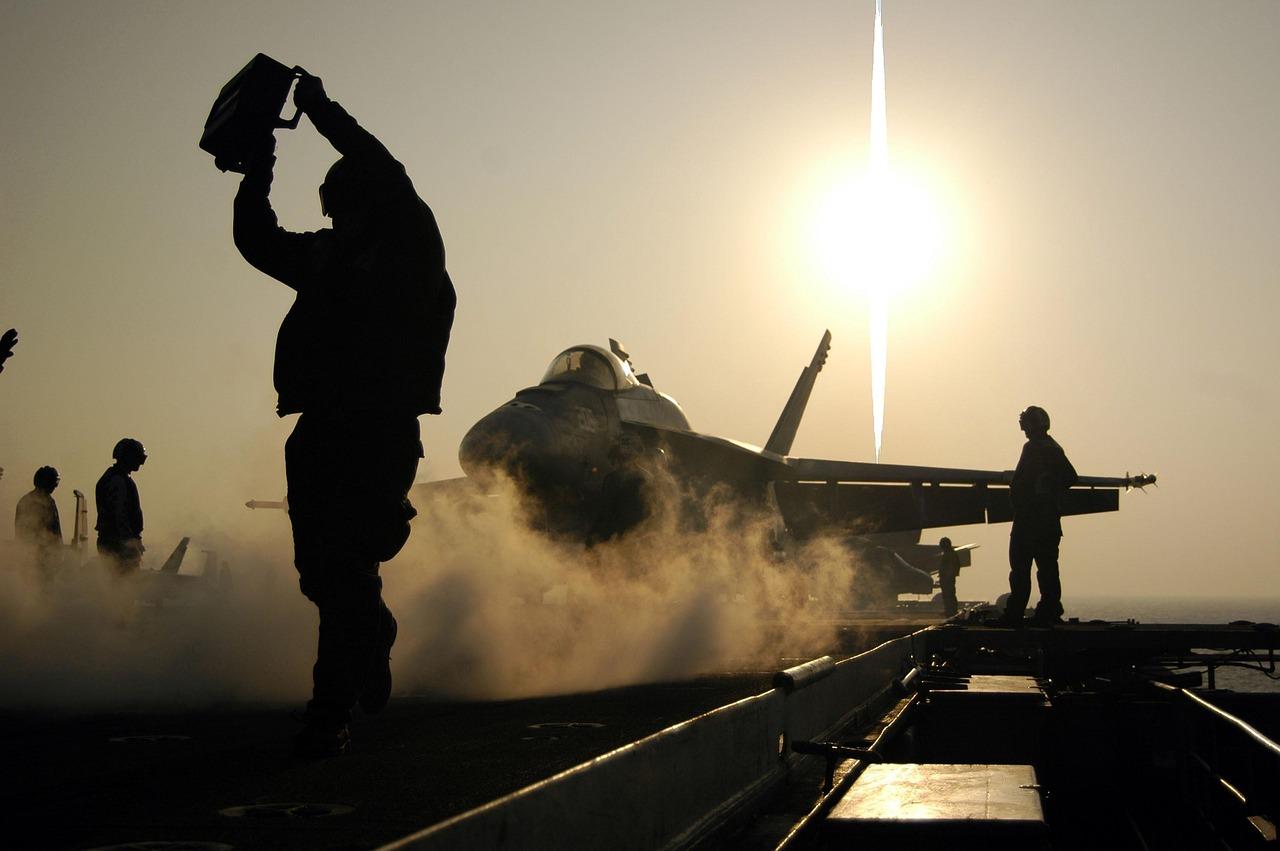
The USS Theodore Roosevelt has arrived in the Middle East, US Central Command said in a social media post on Monday, making it the third US aircraft carrier in the region and bringing thousands of additional troops.

By LiveDigestPublished Tuesday, November 17, 2026 · 04:10 GMT | 4 min read

Third US aircraft carrier arrives in Middle East as USS Theodore Roosevelt deployment adds troops

The arrival of the USS Theodore Roosevelt means the US navy once again has three aircraft carriers in the Middle East, US Central Command announced in a social media post on Monday. The carrier brings thousands of additional troops with it, and more ships carrying marines are still on the way.

01 / SECURITY

The Roosevelt's deployment

The carrier and its accompanying strike force left San Diego in September. It deployed with the USS Makin Island amphibious readiness group, but that part of the force has not yet reached the region. The group includes:

  • the USS John P Murtha amphibious landing ship
  • the USS Anchorage amphibious landing ship
  • around 2,000 marines
02 / SECURITY

Three carriers in the region

The Roosevelt joins the USS George HW Bush, which arrived in the region in April, and the USS George Washington, which arrived in August. The carriers and smaller navy ships are maintaining a naval blockade of Iranian shipping.

April was the last time the navy had three carrier strike groups in the Middle East, and it was the first such gathering since 2003. The wider flotilla in the Arabian Sea, according to the navy, now includes:

  • 13 destroyers
  • two cruisers
  • one littoral combat ship

Two more destroyers are stationed in the Red Sea.

03 / SECURITY

Blockade and Hormuz tensions

The carrier force backs a blockade that has reshaped shipping in the strait of Hormuz, the waterway where a fifth of the world's oil passed before the war. US Central Command said it has redirected 150 merchant vessels and disabled five since June under the blockade, and the US has carried out limited strikes on Iranian targets near the strait while helping guide vessels through it.

Monday brought fresh warnings about those risks. Iranian state TV, citing the revolutionary guard's naval arm and the army, told shipping companies that the US-supported route is dangerous because of mines. The revolutionary guard's navy said mines have damaged six oil tankers since Sunday, polluting coastlines. The United Kingdom Maritime Trade Organization reported a projectile struck a tanker transiting the strait, starting an engine room fire with no casualties.

Lloyd's List assessments show traffic through the strait remains at less than a third of prewar levels.

04 / SECURITY

Political backdrop

The carrier's arrival came nearly two weeks after midterm elections in which Trump's Republican party suffered major losses, driven partly by the war's unpopularity and economic effects. The conflict, more than eight months old, has been locked in a stalemate for months, and Trump has oscillated between threatening large-scale strikes on Iran and saying it is effectively over militarily.

The dispute over how the war ends now runs through the administration itself. JD Vance, who was a chief negotiator in earlier ceasefire talks, publicly broke with Trump over the conflict:

the reason we lost is the war

Trump, for his part, told conservative broadcaster Hugh Hewitt on Thursday, "If something does not work out, I would not hesitate" to act. In remarks last week, he described the US military as "locked and loaded" and said the US is monitoring Pickaxe Mountain, a facility tied to Iran's nuclear program. He also told reporters after meeting Qatar's prime minister that he believed it highly unlikely he would need to order new major strikes.

Negotiations have stalled over Iran's nuclear program, an issue Trump insists be part of any deal. Iran wants the US first to agree to core conditions, including lifting the naval blockade that is stopping its oil from getting to world markets. The Roosevelt's amphibious group has not yet reached the region, and Trump has not ruled out restarting the conflict.


Third US aircraft carrier arrives in Middle East as USS Theodore Roosevelt deployment adds troops
WORLD · SECURITY

Third US aircraft carrier arrives in Middle East as USS Theodore Roosevelt deployment adds troops

The USS Theodore Roosevelt has arrived in the Middle East, US Central Command said in a social media post on Monday, making it the third US aircraft carrier in the region and bringing thousands of additional troops.

By LiveDigestPublished Tuesday, November 17, 2026 · 04:10 GMT | 4 min read

Third US aircraft carrier arrives in Middle East as USS Theodore Roosevelt deployment adds troops

The arrival of the USS Theodore Roosevelt means the US navy once again has three aircraft carriers in the Middle East, US Central Command announced in a social media post on Monday. The carrier brings thousands of additional troops with it, and more ships carrying marines are still on the way.

01 / SECURITY

The Roosevelt's deployment

The carrier and its accompanying strike force left San Diego in September. It deployed with the USS Makin Island amphibious readiness group, but that part of the force has not yet reached the region. The group includes:

  • the USS John P Murtha amphibious landing ship
  • the USS Anchorage amphibious landing ship
  • around 2,000 marines
02 / SECURITY

Three carriers in the region

The Roosevelt joins the USS George HW Bush, which arrived in the region in April, and the USS George Washington, which arrived in August. The carriers and smaller navy ships are maintaining a naval blockade of Iranian shipping.

April was the last time the navy had three carrier strike groups in the Middle East, and it was the first such gathering since 2003. The wider flotilla in the Arabian Sea, according to the navy, now includes:

  • 13 destroyers
  • two cruisers
  • one littoral combat ship

Two more destroyers are stationed in the Red Sea.

03 / SECURITY

Blockade and Hormuz tensions

The carrier force backs a blockade that has reshaped shipping in the strait of Hormuz, the waterway where a fifth of the world's oil passed before the war. US Central Command said it has redirected 150 merchant vessels and disabled five since June under the blockade, and the US has carried out limited strikes on Iranian targets near the strait while helping guide vessels through it.

Monday brought fresh warnings about those risks. Iranian state TV, citing the revolutionary guard's naval arm and the army, told shipping companies that the US-supported route is dangerous because of mines. The revolutionary guard's navy said mines have damaged six oil tankers since Sunday, polluting coastlines. The United Kingdom Maritime Trade Organization reported a projectile struck a tanker transiting the strait, starting an engine room fire with no casualties.

Lloyd's List assessments show traffic through the strait remains at less than a third of prewar levels.

04 / SECURITY

Political backdrop

The carrier's arrival came nearly two weeks after midterm elections in which Trump's Republican party suffered major losses, driven partly by the war's unpopularity and economic effects. The conflict, more than eight months old, has been locked in a stalemate for months, and Trump has oscillated between threatening large-scale strikes on Iran and saying it is effectively over militarily.

The dispute over how the war ends now runs through the administration itself. JD Vance, who was a chief negotiator in earlier ceasefire talks, publicly broke with Trump over the conflict:

Trump, for his part, told conservative broadcaster Hugh Hewitt on Thursday, "If something does not work out, I would not hesitate" to act. In remarks last week, he described the US military as "locked and loaded" and said the US is monitoring Pickaxe Mountain, a facility tied to Iran's nuclear program. He also told reporters after meeting Qatar's prime minister that he believed it highly unlikely he would need to order new major strikes.

Negotiations have stalled over Iran's nuclear program, an issue Trump insists be part of any deal. Iran wants the US first to agree to core conditions, including lifting the naval blockade that is stopping its oil from getting to world markets. The Roosevelt's amphibious group has not yet reached the region, and Trump has not ruled out restarting the conflict.

the reason we lost is the war
Third US aircraft carrier arrives in Middle East as USS Theodore Roosevelt deployment adds troops
WORLD · SECURITY

Third US aircraft carrier arrives in Middle East as USS Theodore Roosevelt deployment adds troops

By LiveDigest

Third US aircraft carrier arrives in Middle East as USS Theodore Roosevelt deployment adds troops

The arrival of the USS Theodore Roosevelt means the US navy once again has three aircraft carriers in the Middle East, US Central Command announced in a social media post on Monday. The carrier brings thousands of additional troops with it, and more ships carrying marines are still on the way.

01 / SECURITY

The Roosevelt's deployment

The carrier and its accompanying strike force left San Diego in September. It deployed with the USS Makin Island amphibious readiness group, but that part of the force has not yet reached the region. The group includes:

  • the USS John P Murtha amphibious landing ship
  • the USS Anchorage amphibious landing ship
  • around 2,000 marines
02 / SECURITY

Three carriers in the region

The Roosevelt joins the USS George HW Bush, which arrived in the region in April, and the USS George Washington, which arrived in August. The carriers and smaller navy ships are maintaining a naval blockade of Iranian shipping.

April was the last time the navy had three carrier strike groups in the Middle East, and it was the first such gathering since 2003. The wider flotilla in the Arabian Sea, according to the navy, now includes:

  • 13 destroyers
  • two cruisers
  • one littoral combat ship

Two more destroyers are stationed in the Red Sea.

03 / SECURITY

Blockade and Hormuz tensions

The carrier force backs a blockade that has reshaped shipping in the strait of Hormuz, the waterway where a fifth of the world's oil passed before the war. US Central Command said it has redirected 150 merchant vessels and disabled five since June under the blockade, and the US has carried out limited strikes on Iranian targets near the strait while helping guide vessels through it.

Monday brought fresh warnings about those risks. Iranian state TV, citing the revolutionary guard's naval arm and the army, told shipping companies that the US-supported route is dangerous because of mines. The revolutionary guard's navy said mines have damaged six oil tankers since Sunday, polluting coastlines. The United Kingdom Maritime Trade Organization reported a projectile struck a tanker transiting the strait, starting an engine room fire with no casualties.

Lloyd's List assessments show traffic through the strait remains at less than a third of prewar levels.

04 / SECURITY

Political backdrop

The carrier's arrival came nearly two weeks after midterm elections in which Trump's Republican party suffered major losses, driven partly by the war's unpopularity and economic effects. The conflict, more than eight months old, has been locked in a stalemate for months, and Trump has oscillated between threatening large-scale strikes on Iran and saying it is effectively over militarily.

The dispute over how the war ends now runs through the administration itself. JD Vance, who was a chief negotiator in earlier ceasefire talks, publicly broke with Trump over the conflict:

Trump, for his part, told conservative broadcaster Hugh Hewitt on Thursday, "If something does not work out, I would not hesitate" to act. In remarks last week, he described the US military as "locked and loaded" and said the US is monitoring Pickaxe Mountain, a facility tied to Iran's nuclear program. He also told reporters after meeting Qatar's prime minister that he believed it highly unlikely he would need to order new major strikes.

Negotiations have stalled over Iran's nuclear program, an issue Trump insists be part of any deal. Iran wants the US first to agree to core conditions, including lifting the naval blockade that is stopping its oil from getting to world markets. The Roosevelt's amphibious group has not yet reached the region, and Trump has not ruled out restarting the conflict.

the reason we lost is the war