
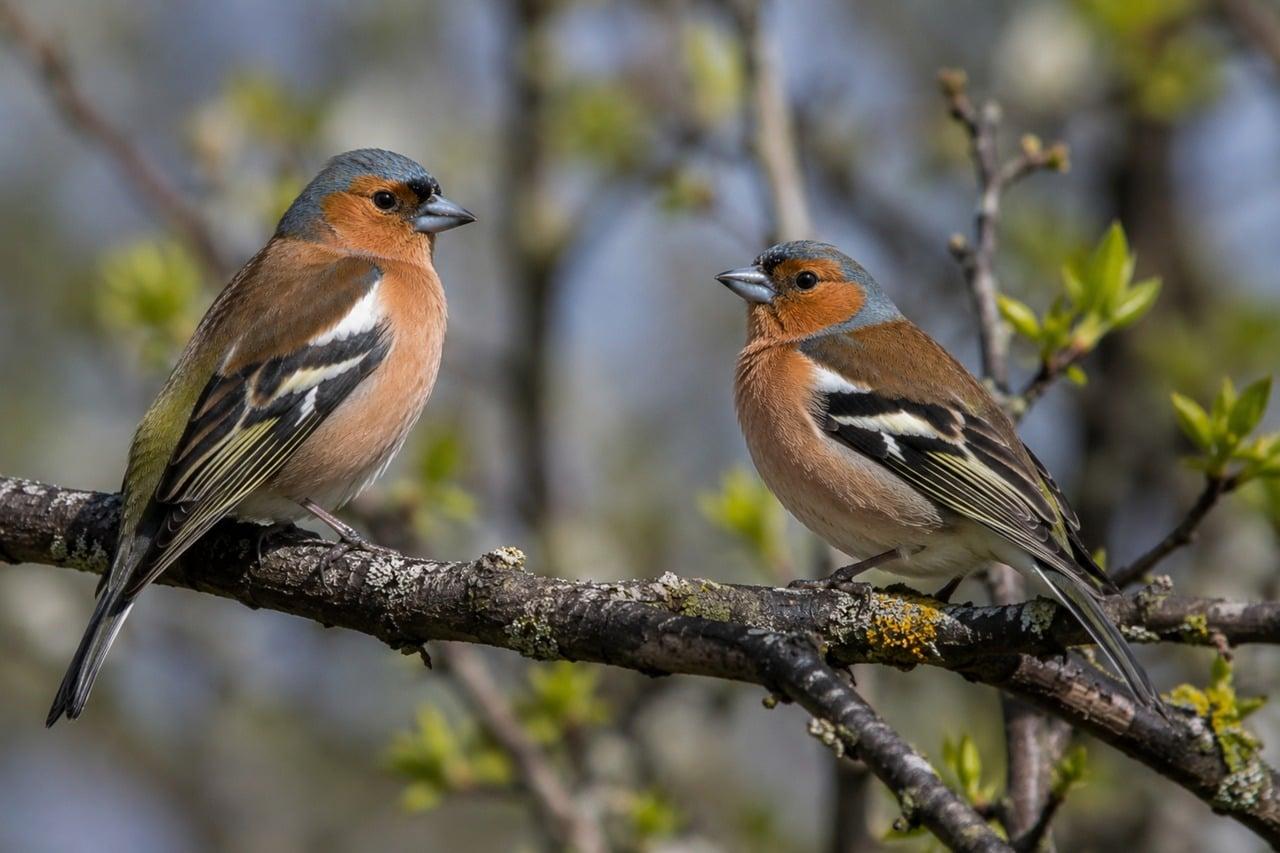
UK wild bird decline: government accused of breaking the law by watchdog
The Office for Environmental Protection said on Wednesday that environment secretary Angela Eagle, her ministers and Natural England are breaking the law by failing to act on the UK wild bird decline, whose populations have fallen to their lowest recorded level.
UK wild bird decline: government accused of breaking the law by watchdog
What the watchdog said
The Office for Environmental Protection (OEP), the independent environmental regulator, said on Wednesday that the environment secretary, Angela Eagle, her ministers and Natural England are all breaking the law by failing to protect wild birds.
According to the OEP, Eagle breached environmental law by failing to classify new Special Protection Areas (SPAs), extend existing sites or add new species to those that are protected. It said Natural England is in breach for failing to take the action needed to maintain or restore wild bird populations to appropriate levels, and for failing to carry out a review of whether there is sufficient habitat for the birds.
That review, the OEP said, should provide an independent assessment of habitat diversity and area, identify gaps and explain what action is needed to support recovery.
Helen Venn, the OEP's chief regulatory officer, said there have been continued delays by ministers to protect bird populations. Continued delay, she said, has left a significant number of sites for wild bird populations without the levels of protection they need, while the actions needed for a sufficient SPA network have built up.
The scale of the decline
New data shows wild bird populations have dropped to their lowest level on record. Britain has lost more than 73 million wild birds from its landscape over the last five decades, according to the British Trust for Ornithology.
Defra's latest statistics point to a broad decline with no sign of widespread recovery:
- 45% of 132 native breeding species are in decline over a five-year period.
- Nearly half of all species are in decline on both short and long-term trends.
- Species in decline include swifts, turtledoves and tree sparrows, as well as wood warblers and bullfinches.
The legal duties in question
Ministers have specific duties to recover bird populations to healthy levels and to designate SPAs, where birds and their habitats are legally protected. There are 82 SPAs in England, as well as six cross-border and offshore sites.
The government is also legally bound to expand protected areas under its 30 by 30 commitment to protect at least 30% of land and seas for nature's recovery by 2030.
Conservation groups respond
The RSPB is pressing for action. Beccy Speight, the charity's chief executive, urged urgent action, including the designation of new and extended Special Protection Areas and other targeted measures for species such as curlew, bittern and hen harrier. She said successive governments right across the UK have known about these problems for years.
In May the RSPB reported a 47% increase in the number of people enjoying bird watching over the past eight years.
Venn, announcing the OEP's findings, said:
the latest statistics showing declines in the populations of some of our most treasured species are deeply concerning
The Department for Environment was approached for comment.


