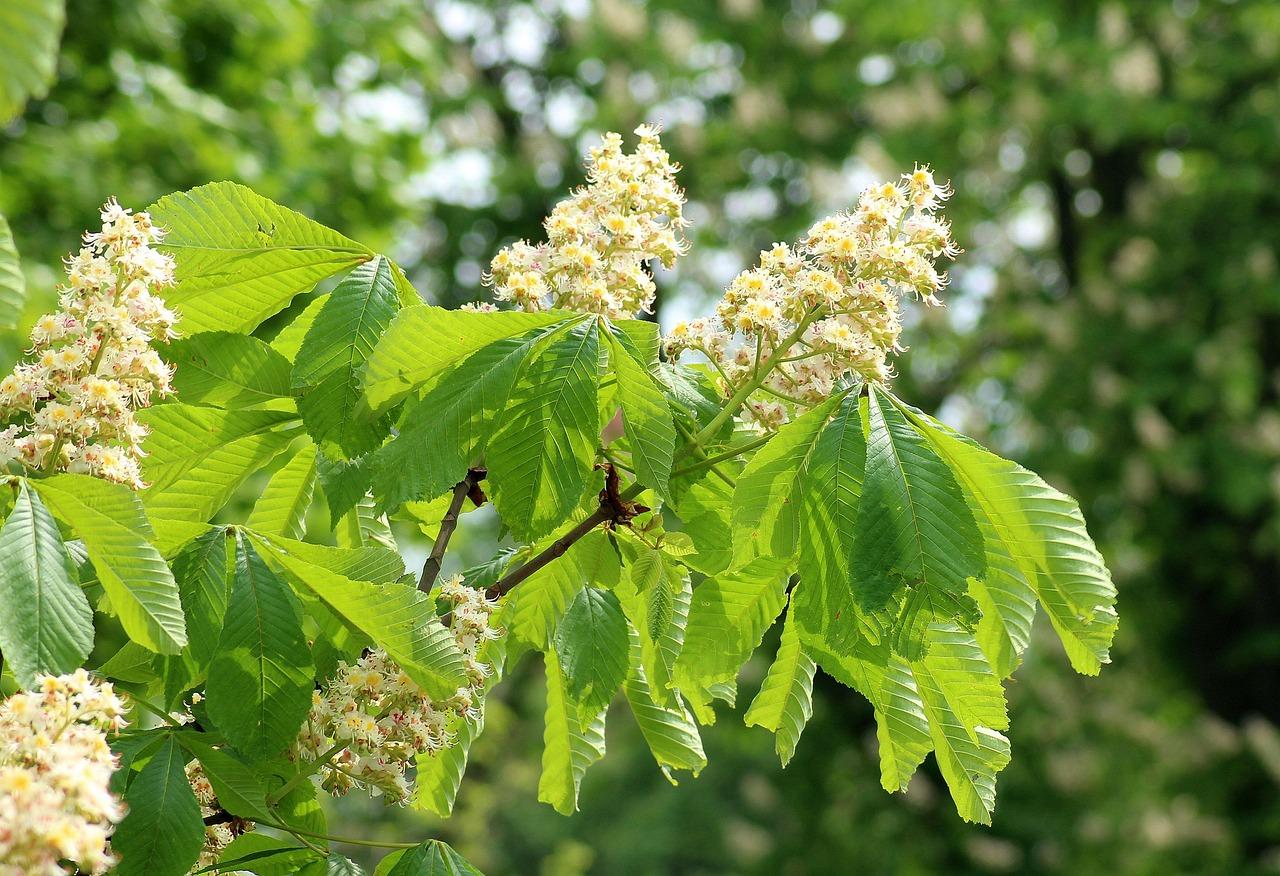
UK trees early spring: mild autumn prompts out-of-season flowering
Mild autumn temperatures have pushed UK trees into an early spring more than six months ahead of schedule, with Woodland Trust experts warning that horse chestnut trees are already flowering and showing next spring's growth.
UK trees early spring: mild autumn prompts out-of-season flowering
Mild autumn temperatures have pushed UK trees into an early spring more than six months ahead of schedule, with Woodland Trust experts warning that horse chestnut trees are already flowering and showing next spring's growth.
Ninth month of above-average warmth
The warm spell is not a brief one. Last month was warmer than average across all parts of the UK, and October marked the ninth consecutive month with above-average mean temperatures. Scientists say such temperatures are only possible due to the climate crisis, which is primarily driven by the burning of fossil fuels.
Horse chestnuts flowering six months early
Horse chestnuts are among the affected species. According to Chris Nichols, head of conservation outcomes at the Woodland Trust, the trees are in flower and already carrying next year's spring growth, even though spring is still more than half a year away.
"It's crazy, everything is so out of whack," Nichols said.
In his view, flowering at the wrong time of year separates the trees from the insects that depend on them, and raises questions about how resilient woodland will be over the long term. The Trust's experts caution that pollinators face lasting harm from the disruption.
Drought stress behind the out-of-season bloom
The suspected mechanism goes back to the summer. During extreme heat, many trees underwent what experts call early autumn: they wilted and lost their leaves prematurely. Dr Kate Lewthwaite, citizen science manager at the Woodland Trust, reads the out-of-season blossom as a stress signal. Her explanation is that drought prompted trees to shut down their essential systems as they would in winter; once rain arrived, they behaved as if spring had come and flowered months late for the season.
The consequences could be severe:
- whole trees could die
- trees may be forced to resprout from dormant buds on the trunk or branches in spring
- resprouting would make next year's canopy smaller
Kew warnings and the wait until 2028
At Kew Gardens, the arboretum is showing the same pattern, according to Kevin Martin, head of tree collections. His account is that the trees suspended growth during the summer and, in the current mild weather, have started growing again - with the result that spring will arrive to trees with no buds left. He does not expect the full scale of the damage to be clear until spring 2028.
Storm damage is part of the same picture, Martin said. Growth this year has been minimal, worst in the drought-hit south-east, and he expects weakened trees to fail in greater numbers in storms. Storm Austen and Storm Boelo already bore this out: for the wind speeds recorded, more trees came down than expected. Earlier this summer, experts had warned that high winds potentially associated with El Niño could cause widespread mortality among tree species already weakened by heat and drought.
Calls for more resilient woodland
Lewthwaite called for action to make woods and trees more resilient, such as rewetting woodland and slowing the flow of the rains the UK does get. The warnings follow reports that England's ancient oak trees are dying as a result of high temperatures and drought.