
UK-EU SPS deal to dissolve £60m a year of costs for plant trade, says Angela Eagle
Angela Eagle said the UK-EU SPS deal on plant trade will remove border checks and paperwork that cost the horticulture industry £60m a year, speaking ahead of the UK-EU summit scheduled for 20 November.
UK-EU SPS deal to dissolve £60m a year of costs for plant trade, says Angela Eagle
The UK-EU SPS deal on plant trade will strip away the border checks and paperwork that cost the horticulture industry £60m a year, according to Angela Eagle, who spoke before the UK-EU summit scheduled for 20 November during a visit to a plant nursery in Kent. "The cost, that £60m, can just dissolve," she said, adding that the deal makes it easier for firms to export to the EU and bring imports in.
What the deal would remove
The agreement, largely settled in May, is expected to be signed at next week's summit. Once in force, it would do away with nearly all physical inspections of plants crossing between the UK and the EU, along with most of the certificates and documents that currently travel with them.
The £60m annual estimate comes from calculations by the industry body the Horticultural Trades Association (HTA). It covers:
- plant health inspection fees
- phytosanitary certificates
- document and ID checks
- port fees
- agents' fees
- labour and haulage costs
The HTA's figures do not include late delivery penalties, or sales lost because of port delays or damage to goods.
The checks themselves date from Brexit. Leaving the EU brought in inspections on plants, food and animal products moving in both directions across the border - goods ranging from sausages and cheese to trees and leather goods.
Sunk costs for nurseries
While Eagle's £60m claim points to future savings, the deal will not help businesses recoup the large sums they already spent to deal with border controls.
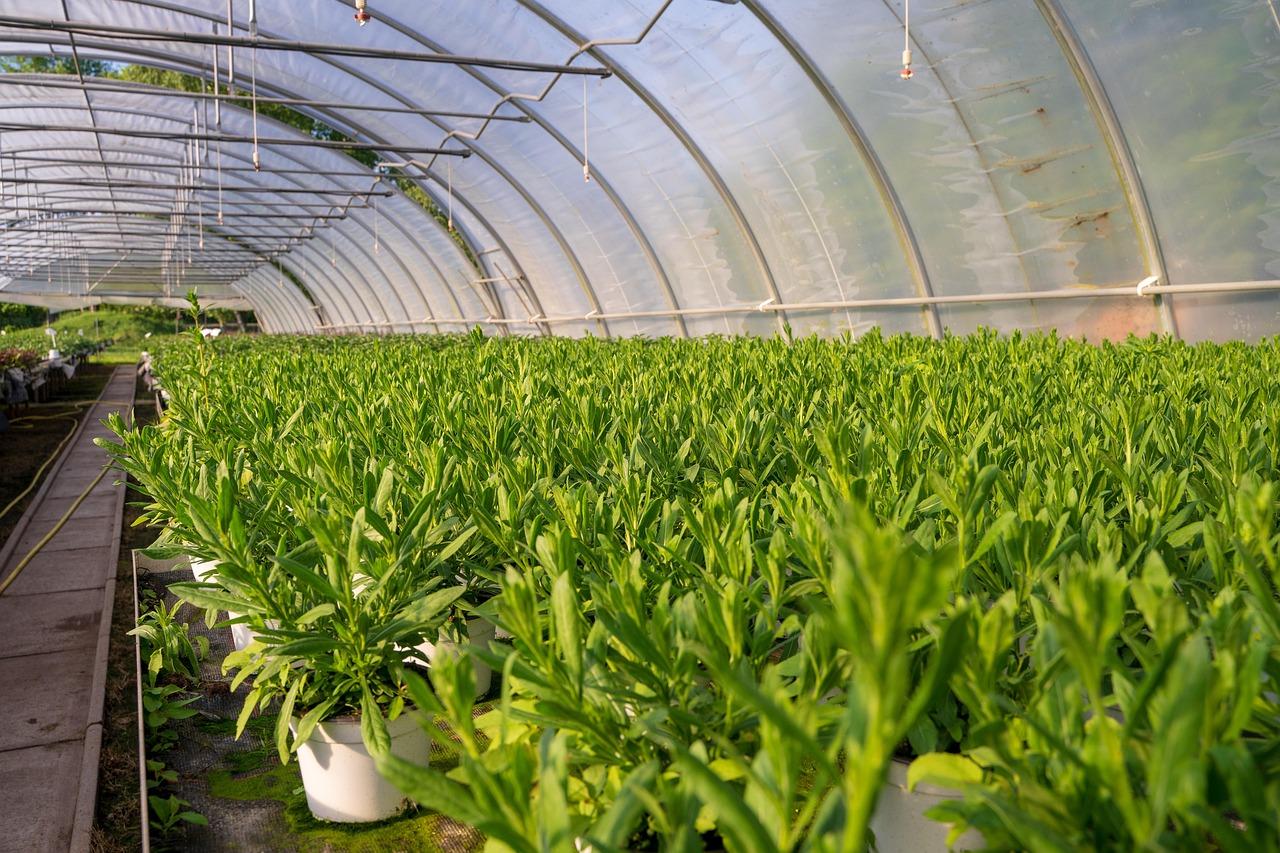
Provender Nurseries, one of the UK's largest wholesale nurseries, based at Swanley in Kent, is the report's example. The business, which sells thousands of plants, trees and shrubs to local authorities, parks and landscapers, has already spent at least £500,000 on building a post-Brexit control post on its eight-hectare (20-acre) site - infrastructure that will become obsolete under the deal.
Managing director Richard McKenna said the company built a sealed building and bought four electric forklifts to operate in it, so that lorry loads of valuable imported trees and shrubs could be inspected on site. The purpose was to reduce the delays and damage that inspections at government-run border control posts, such as Sevington, could cause. "It cost a lot for a barn, but it gave us security as a business," he said.
On the agreement itself, McKenna said: "We need to see the small print on the agreement. It could have been sooner, but we are pleased that it is happening."
Timing and the summit
Even if the ink dries on 20 November, as Eagle hopes, businesses will wait a while longer. The deal is not expected to be implemented until the first quarter of 2028, meaning current border arrangements stay in place for more than a year.
The timetable has already slipped once:
- When Keir Starmer announced his EU "reset" deal in May 2025, the target was mid-2027. Eagle conceded the implementation date is later than that.
- Starmer's replacement by Andy Burnham led to what Eagle described as a "pause" in negotiations with Brussels, and the upcoming November summit was pushed back from July.
- Eagle said the original timescale was very ambitious, and that the extra time has allowed both sides to deal in a more coherent way with some of the knottier, thornier issues, such as pesticides.
HTA chief executive Fran Barnes has called for pragmatic transition easements in the meantime - for example, fewer or no checks on lower-risk imports - so that some relief arrives before full implementation.
Loose ends: pesticides and halted exports
Pesticides remain one of the open questions. The UK has continued to use some pesticides and fungicides that are banned in the EU, and industry concerns exist that British potatoes grown in 2027, treated with such chemicals, could need to be thrown away if frozen chips made from them went on sale only after the deal takes effect.
Eagle said both sides are aware of these kinds of issues, and that the EU is also very aware it does not want to be seen to be wasting food. On the wider question of prices, she said the savings should put downward pressure on food prices, but she would not confirm outright that the deal would lower UK food costs.
For some exporters, the hope is simply to trade again. British exporters of produce including seed potatoes and some mussels hope the SPS deal will allow trade halted by Brexit to restart. A Brexit certification disagreement halted exports of British seed potatoes, particularly from Scotland, to the EU.
Adam Taylor, a director of Taylors Bulbs in Lincolnshire, which supplies tulip, daffodil and other bulbs to garden centres and nurseries across the UK and Ireland, said timing is what matters: "We have been waiting for this moment, but it all depends on the timing of the deal." To keep supplying the Republic of Ireland in the interim, Taylors underwent the "laborious and expensive" work of setting up an Irish business.
"When things go back closer to how they were before Brexit, I hope our Irish customer base will reflect on the loyalty given to them," Taylor said. For the horticulture industry more broadly, the next step is signature at the 20 November summit - with implementation not expected until the first quarter of 2028.


