Trump New Tariffs on 14 Trading Partners Proposed, Including China and EU
WORLD · TRADE

Trump New Tariffs on 14 Trading Partners Proposed, Including China and EU

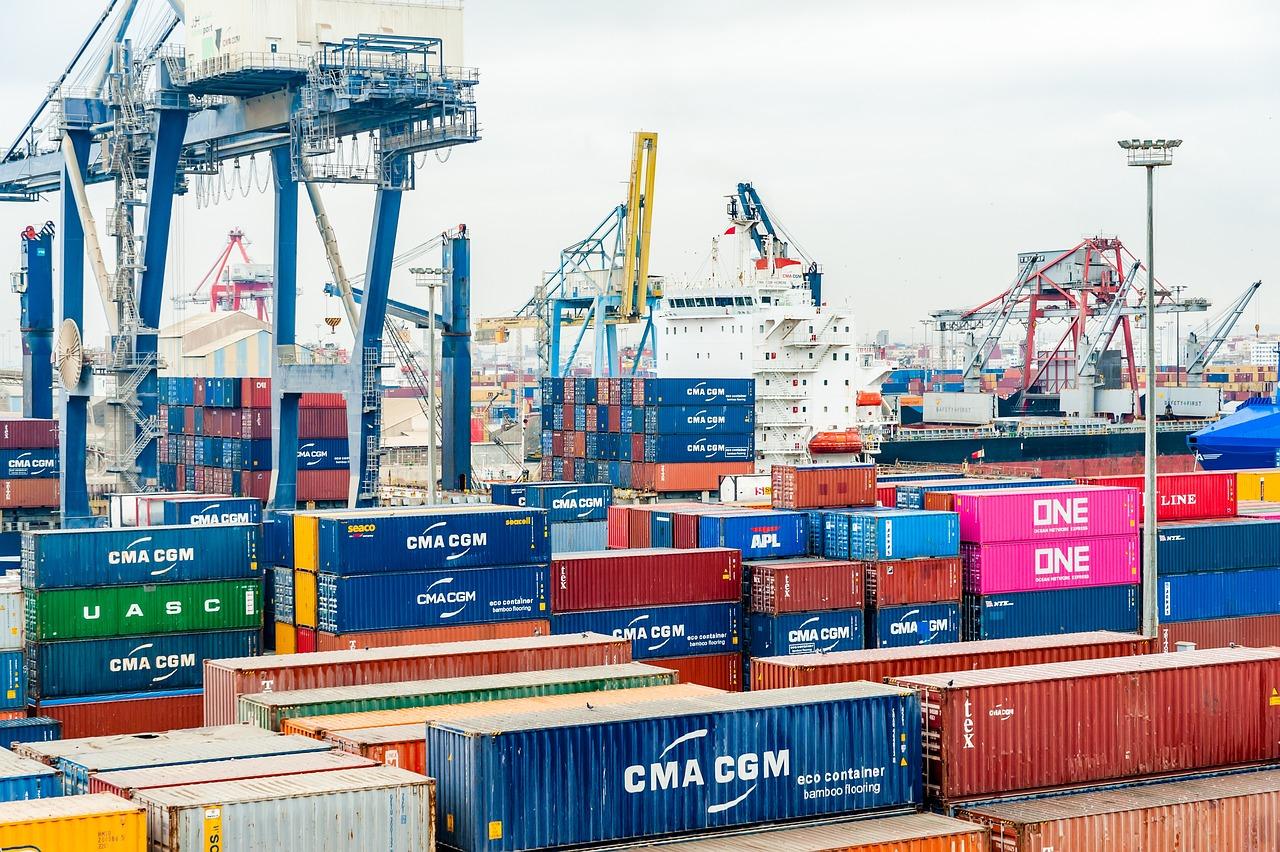
Donald Trump is proposing new tariffs on 14 trading partners, including China and the European Union, the office of the US trade representative said on Wednesday. The tariffs would take effect early next year, with January the earliest start named.

By LiveDigestPublished Wednesday, November 25, 2026 · 17:21 GMT | 3 min read

Trump New Tariffs on 14 Trading Partners Proposed, Including China and EU

Donald Trump is proposing new tariffs on 14 trading partners, the office of the US trade representative said on Wednesday, with China and the European Union among those affected and the duties set to start early next year.

01 / TRADE

What the proposal covers

The package announced by the US trade representative's office would place an additional 20% tax on Chinese imports, taking the total on Chinese goods to about 40%. The full list of partners named on Wednesday:

  • China
  • The European Union
  • Bangladesh
  • Cambodia
  • India
  • Indonesia
  • Japan
  • South Korea
  • Malaysia
  • Singapore
  • Switzerland
  • Taiwan
  • Thailand
  • Vietnam
02 / TRADE

The legal route after the supreme court ruling

In February the supreme court ruled Trump's so-called Liberation Day tariffs illegal, finding in a narrow decision that the administration had improperly used a specific emergency powers law. That ruling, however, did not broadly curb the president's power to introduce new tariffs.

For the new rounds, the administration is relying on section 301 of the Trade Act of 1974, which permits responses to unfair foreign trade practices following formal investigations.

03 / TRADE

Timeline and hearings

The White House gave no firm timeline but said the tariffs could take effect in January at the earliest. The US trade office will hold hearings on the new tariffs and its investigation into the unfair trade practices on 25 January.

It is the second major batch of section 301 tariffs: in July the White House announced a broad slate of tariffs on more than 80 countries, including the UK, Mexico and Canada, saying they had failed to enforce bans on forced labor. A lawsuit fighting those tariffs is currently awaiting a decision in the court of international trade.

04 / TRADE

Greer's case and the political backdrop

US trade representative Jamieson Greer said in a Wednesday statement that President Trump is proposing action to bring about the elimination of these unfair acts, policies, and practices and level the playing field for American workers.

"For decades, many of our trading partners have adopted industrial strategies built on targeting manufacturing, wage and labor suppression"

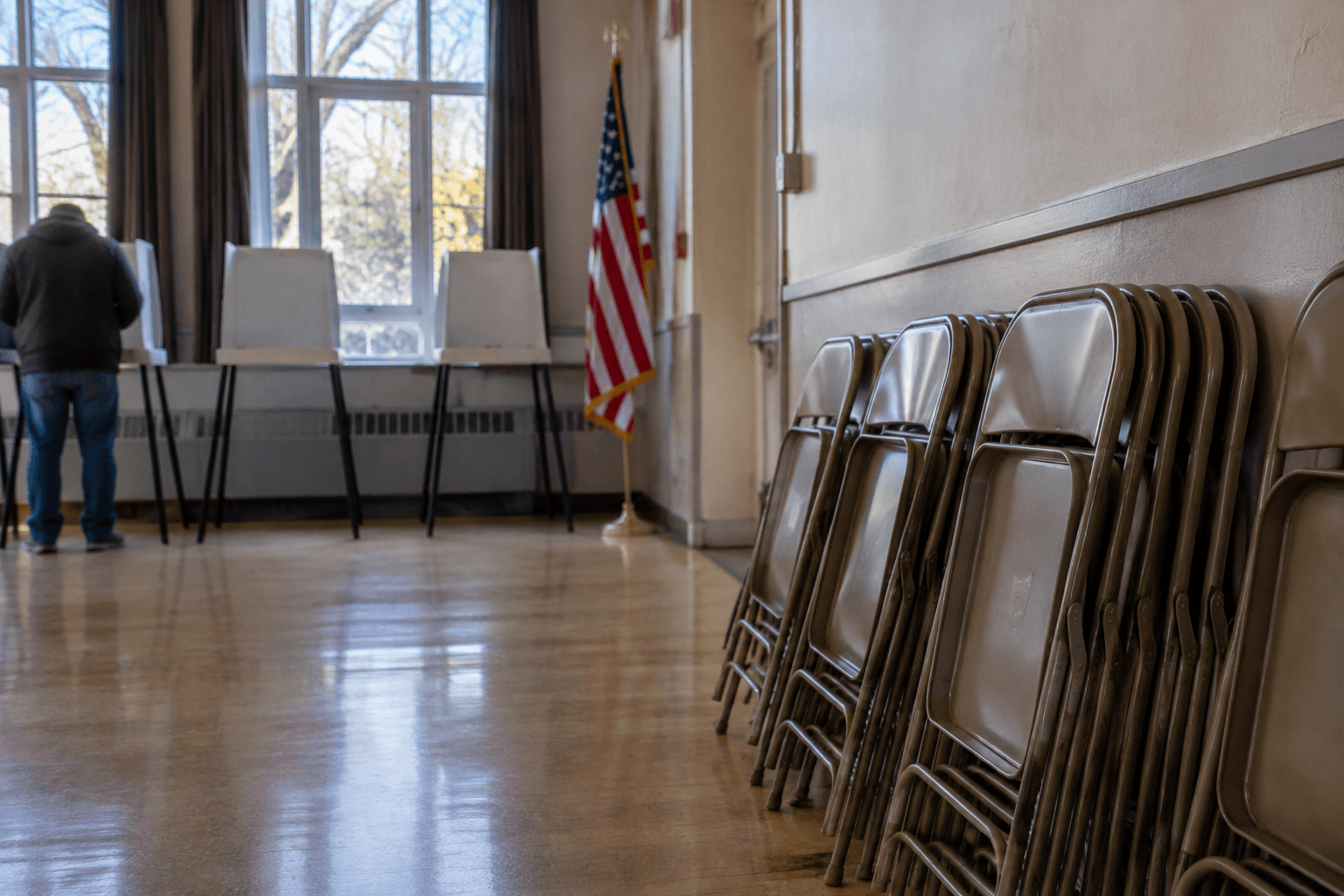
The tariffs have proven unpopular with voters: the issue handed Democrats a decisive victory in the midterm elections that will give the party control of Congress. The Yale Budget Lab estimates tariffs currently in effect have added an additional $900 in costs for each US household, and a Harris Poll survey for the Guardian found the rising cost of living was the number one issue for voters ahead of November's midterm elections.

An earlier Harris poll found seven in 10 Americans blamed tariffs for higher prices, while consumer prices rose an annualized 3.8% in October - the highest rate since May and above the Federal Reserve's 2% target, the Bureau of Economic Analysis announced on Wednesday.

The next step is the 25 January hearings, with the White House saying the tariffs could begin in January at the earliest.


Trump New Tariffs on 14 Trading Partners Proposed, Including China and EU
WORLD · TRADE

Trump New Tariffs on 14 Trading Partners Proposed, Including China and EU

Donald Trump is proposing new tariffs on 14 trading partners, including China and the European Union, the office of the US trade representative said on Wednesday. The tariffs would take effect early next year, with January the earliest start named.

By LiveDigestPublished Wednesday, November 25, 2026 · 17:21 GMT | 3 min read

Trump New Tariffs on 14 Trading Partners Proposed, Including China and EU

Donald Trump is proposing new tariffs on 14 trading partners, the office of the US trade representative said on Wednesday, with China and the European Union among those affected and the duties set to start early next year.

01 / TRADE

What the proposal covers

The package announced by the US trade representative's office would place an additional 20% tax on Chinese imports, taking the total on Chinese goods to about 40%. The full list of partners named on Wednesday:

  • China
  • The European Union
  • Bangladesh
  • Cambodia
  • India
  • Indonesia
  • Japan
  • South Korea
  • Malaysia
  • Singapore
  • Switzerland
  • Taiwan
  • Thailand
  • Vietnam
02 / TRADE

The legal route after the supreme court ruling

In February the supreme court ruled Trump's so-called Liberation Day tariffs illegal, finding in a narrow decision that the administration had improperly used a specific emergency powers law. That ruling, however, did not broadly curb the president's power to introduce new tariffs.

For the new rounds, the administration is relying on section 301 of the Trade Act of 1974, which permits responses to unfair foreign trade practices following formal investigations.

03 / TRADE

Timeline and hearings

The White House gave no firm timeline but said the tariffs could take effect in January at the earliest. The US trade office will hold hearings on the new tariffs and its investigation into the unfair trade practices on 25 January.

It is the second major batch of section 301 tariffs: in July the White House announced a broad slate of tariffs on more than 80 countries, including the UK, Mexico and Canada, saying they had failed to enforce bans on forced labor. A lawsuit fighting those tariffs is currently awaiting a decision in the court of international trade.

04 / TRADE

Greer's case and the political backdrop

US trade representative Jamieson Greer said in a Wednesday statement that President Trump is proposing action to bring about the elimination of these unfair acts, policies, and practices and level the playing field for American workers.

The tariffs have proven unpopular with voters: the issue handed Democrats a decisive victory in the midterm elections that will give the party control of Congress. The Yale Budget Lab estimates tariffs currently in effect have added an additional $900 in costs for each US household, and a Harris Poll survey for the Guardian found the rising cost of living was the number one issue for voters ahead of November's midterm elections.

An earlier Harris poll found seven in 10 Americans blamed tariffs for higher prices, while consumer prices rose an annualized 3.8% in October - the highest rate since May and above the Federal Reserve's 2% target, the Bureau of Economic Analysis announced on Wednesday.

The next step is the 25 January hearings, with the White House saying the tariffs could begin in January at the earliest.
"For decades, many of our trading partners have adopted industrial strategies built on targeting manufacturing, wage and labor suppression"
Trump New Tariffs on 14 Trading Partners Proposed, Including China and EU
WORLD · TRADE

Trump New Tariffs on 14 Trading Partners Proposed, Including China and EU

By LiveDigest

Trump New Tariffs on 14 Trading Partners Proposed, Including China and EU

Donald Trump is proposing new tariffs on 14 trading partners, the office of the US trade representative said on Wednesday, with China and the European Union among those affected and the duties set to start early next year.

01 / TRADE

What the proposal covers

The package announced by the US trade representative's office would place an additional 20% tax on Chinese imports, taking the total on Chinese goods to about 40%. The full list of partners named on Wednesday:

  • China
  • The European Union
  • Bangladesh
  • Cambodia
  • India
  • Indonesia
  • Japan
  • South Korea
  • Malaysia
  • Singapore
  • Switzerland
  • Taiwan
  • Thailand
  • Vietnam
02 / TRADE

The legal route after the supreme court ruling

In February the supreme court ruled Trump's so-called Liberation Day tariffs illegal, finding in a narrow decision that the administration had improperly used a specific emergency powers law. That ruling, however, did not broadly curb the president's power to introduce new tariffs.

For the new rounds, the administration is relying on section 301 of the Trade Act of 1974, which permits responses to unfair foreign trade practices following formal investigations.

03 / TRADE

Timeline and hearings

The White House gave no firm timeline but said the tariffs could take effect in January at the earliest. The US trade office will hold hearings on the new tariffs and its investigation into the unfair trade practices on 25 January.

It is the second major batch of section 301 tariffs: in July the White House announced a broad slate of tariffs on more than 80 countries, including the UK, Mexico and Canada, saying they had failed to enforce bans on forced labor. A lawsuit fighting those tariffs is currently awaiting a decision in the court of international trade.

04 / TRADE

Greer's case and the political backdrop

US trade representative Jamieson Greer said in a Wednesday statement that President Trump is proposing action to bring about the elimination of these unfair acts, policies, and practices and level the playing field for American workers.

The tariffs have proven unpopular with voters: the issue handed Democrats a decisive victory in the midterm elections that will give the party control of Congress. The Yale Budget Lab estimates tariffs currently in effect have added an additional $900 in costs for each US household, and a Harris Poll survey for the Guardian found the rising cost of living was the number one issue for voters ahead of November's midterm elections.

An earlier Harris poll found seven in 10 Americans blamed tariffs for higher prices, while consumer prices rose an annualized 3.8% in October - the highest rate since May and above the Federal Reserve's 2% target, the Bureau of Economic Analysis announced on Wednesday.

The next step is the 25 January hearings, with the White House saying the tariffs could begin in January at the earliest.

"For decades, many of our trading partners have adopted industrial strategies built on targeting manufacturing, wage and labor suppression"