
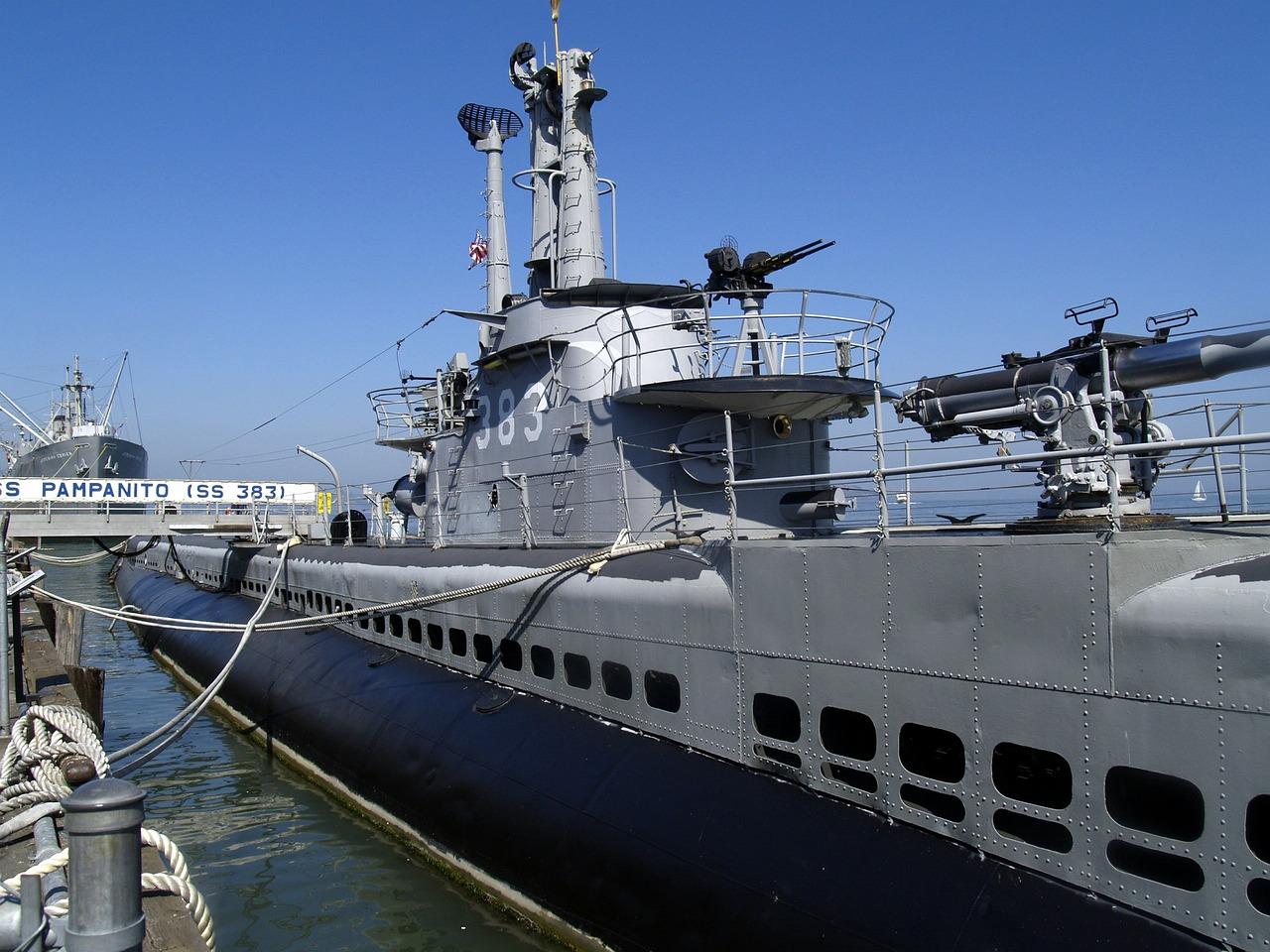
Trident submarine HMS Vengeance ends record 217-day underwater patrol
HMS Vengeance, a Trident submarine carrying Britain's nuclear deterrent, returned to Faslane naval base in Scotland on Sunday after a record 217 days submerged on a patrol that began on 12 April.
Trident submarine HMS Vengeance ends record 217-day underwater patrol
A record set by the crew before this one
The trident submarine record patrol ended when HMS Vengeance arrived back in Scotland on Sunday, 217 days after slipping out on 12 April. The new tour surpasses the previous 205-day record, which was set by the previous crew.
Life submerged for seven months
Vanguard class submarines entered service in the 1990s carrying three to four months of food for a crew of about 140, and deployments beyond 100 days were once considered exceptional. Now, missions begin with tinned food packed into corridors and any other spare space on board.
The boats must stay hidden and cannot be resupplied at sea. Because they keep radio silence, sailors cannot send messages out, though they can receive news from home.
- The crew of about 140 spends up to seven months inside a boat 150 metres long.
- Concerns about the psychological toll of such tours have grown alongside Royal Navy recruitment struggles.
- No letters, calls or messages can leave the submarine while it is on patrol.
Why patrols are getting longer
Ever-longer patrols point to slow submarine maintenance. Labour has blamed spending cuts made under the Conservatives, while naval chiefs insist a plan to improve matters exists.
David Cullen, a nuclear expert with the Basic thinktank, said "Patrols are getting longer and longer", adding that the fleet "was designed around three-month tours". He also warned that old hulls should not be pushed hard: "At the end of the submarines' design life they should be run gently, not as hard as they are."
The deterrent role and what comes next
HMS Vengeance is one of four submarines that carry Britain's Trident missiles, kept so that one boat is always at sea ready to launch strikes. Each can carry 40 nuclear warheads, with destructive power said to be enough to destroy Moscow and several other major Russian cities, along with the prime minister's letter of last instructions.
The return of a Trident boat, known as a "day zero", has become a political event: when the last patrol ended in April, Keir Starmer visited unannounced. Vengeance's crew are expected to be greeted at Faslane by senior government members, and the boat will return still carrying Starmer's letter, while the next submarine in rotation will carry instructions written in longhand by Andy Burnham since he entered Downing Street.
In July, Labour announced a £26bn, 10-year investment plan for Britain's three main naval bases, including Faslane, Devonport and Portsmouth. Even so, the Vanguard fleet must hold the line for years yet: the first replacement, HMS Dreadnought, is not expected to be ready until about 2032, keeping the older boats in service at least five more years.


