Fewer coins land in the Trevi fountain as Rome's €2 entry fee changes habits
WORLD · ENVIRONMENT

Fewer coins land in the Trevi fountain as Rome's €2 entry fee changes habits

Caritas Roma says Trevi fountain coins have brought in about €200,000 less between January and September than in the same period of 2025, and its director suggests the closure of direct access to the fountain may be a factor.

By LiveDigestPublished Saturday, November 21, 2026 · 05:58 GMT | 3 min read

Fewer coins land in the Trevi fountain as Rome's €2 entry fee changes habits

01 / ENVIRONMENT

A tradition that funds Rome's needy

Visitors who toss a coin into the Trevi fountain do so in a ritual fabled to ensure a return visit to Rome or make other dreams come true. For Caritas Roma, whose Rome unit gathers the coins, the custom is more than folklore: it usually brings in more than €1.4m a year. The charity uses the donations to fund food banks and other welfare projects.

The roots of the gesture are old. It is believed to originate in an ancient pagan ritual offering to water gods, and it took off globally after the 1954 romantic comedy film, Three Coins in the Fountain.

This year the flow of Trevi fountain coins has thinned. Caritas noted a shortfall of about €200,000 between January and September compared with the same period in 2025.

02 / ENVIRONMENT

The €2 fee and the missing coins

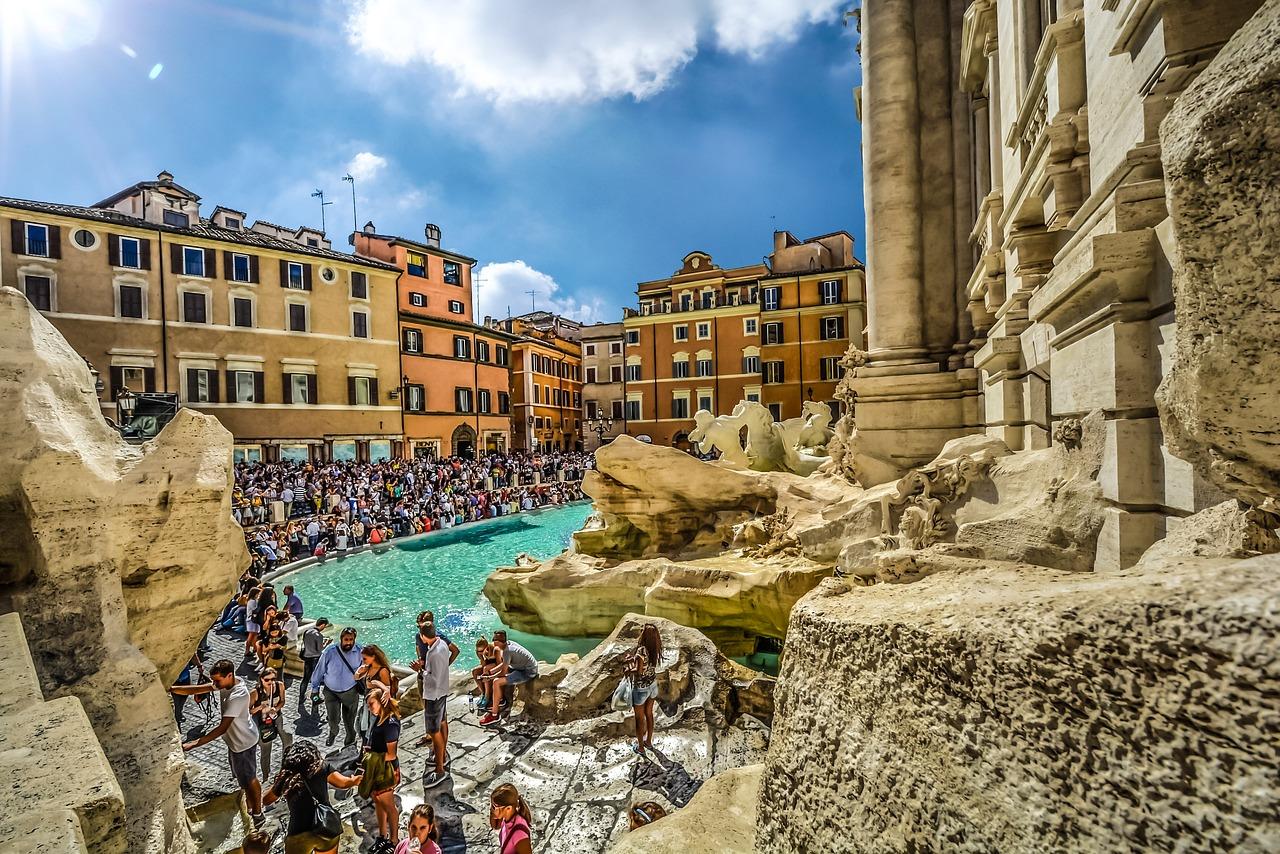
Since February, the steps by the fountain's sunken basin have been accessible during the day only by Rome's residents or visitors who pay €2 (£1.64). The fee is aimed at curbing overcrowding at the monument while raising funds for its upkeep and that of other Rome monuments. With 4.4 million tourists flocking to the Trevi in 2025, the fee had been forecast to generate a tidy yearly income.

The early returns went to the council rather than the charity:

  • Rome's council generated €435,194 from the access fee within the first month of its inception.
  • No further figures have been published by the council.
  • The matter is understood to have caused friction between Caritas and Rome's council.
03 / ENVIRONMENT

Visitors' reasons for keeping their coins

At the barrier, tourists give their own explanations for the skipped toss. Patty, a visitor from New York, said she and her partner were content to admire the monument without paying or throwing: "It's such a breathtaking monument, we're happy just to take it in from here."

Ying, from Australia, did pay the fee, but the couple left the ritual aside. "But we didn't see anyone else doing it, so we didn't either," she said.

Nicolas Romero, a steward who works seven- or eight-hour shifts at the ticketing system, offered another reading. "But many don't even seem to know about the tradition," he said. "This might also explain the decline."

The barrier has changed habits in smaller ways too. American tourist Jeff Clinton found a US one-cent coin near Termini station and planned to toss it into the fountain, saying "I'll throw it into the Trevi fountain" - but ended up keeping it because of the barrier.

Giustino Trincia, director of Caritas Roma, pointed to the access rules themselves. "The closure of the direct access to the Trevi fountain might be a factor," he told Il Messaggero.

04 / ENVIRONMENT

Other explanations, and what comes next

The entry charge is not the only suspect. The shift towards contactless payments and mobile phone wallets is also believed to have eroded Caritas's collections, since fewer people carry small change.

There is a caveat, too, on the numbers themselves. A Caritas Rome spokesperson said this year's collection figure did not take into account foreign currency coins, so the hit might not be so bad.

The charity is not elaborating further: the spokesperson said it was not making any further public statements about the dwindling coin collection, and Rome's council has released no fee figures beyond the first month.


Fewer coins land in the Trevi fountain as Rome's €2 entry fee changes habits
WORLD · ENVIRONMENT

Fewer coins land in the Trevi fountain as Rome's €2 entry fee changes habits

Caritas Roma says Trevi fountain coins have brought in about €200,000 less between January and September than in the same period of 2025, and its director suggests the closure of direct access to the fountain may be a factor.

By LiveDigestPublished Saturday, November 21, 2026 · 05:58 GMT | 3 min read

Fewer coins land in the Trevi fountain as Rome's €2 entry fee changes habits

01 / ENVIRONMENT

A tradition that funds Rome's needy

Visitors who toss a coin into the Trevi fountain do so in a ritual fabled to ensure a return visit to Rome or make other dreams come true. For Caritas Roma, whose Rome unit gathers the coins, the custom is more than folklore: it usually brings in more than €1.4m a year. The charity uses the donations to fund food banks and other welfare projects.

The roots of the gesture are old. It is believed to originate in an ancient pagan ritual offering to water gods, and it took off globally after the 1954 romantic comedy film, Three Coins in the Fountain.

This year the flow of Trevi fountain coins has thinned. Caritas noted a shortfall of about €200,000 between January and September compared with the same period in 2025.

02 / ENVIRONMENT

The €2 fee and the missing coins

Since February, the steps by the fountain's sunken basin have been accessible during the day only by Rome's residents or visitors who pay €2 (£1.64). The fee is aimed at curbing overcrowding at the monument while raising funds for its upkeep and that of other Rome monuments. With 4.4 million tourists flocking to the Trevi in 2025, the fee had been forecast to generate a tidy yearly income.

The early returns went to the council rather than the charity:

  • Rome's council generated €435,194 from the access fee within the first month of its inception.
  • No further figures have been published by the council.
  • The matter is understood to have caused friction between Caritas and Rome's council.
03 / ENVIRONMENT

Visitors' reasons for keeping their coins

At the barrier, tourists give their own explanations for the skipped toss. Patty, a visitor from New York, said she and her partner were content to admire the monument without paying or throwing: "It's such a breathtaking monument, we're happy just to take it in from here."

Ying, from Australia, did pay the fee, but the couple left the ritual aside. "But we didn't see anyone else doing it, so we didn't either," she said.

Nicolas Romero, a steward who works seven- or eight-hour shifts at the ticketing system, offered another reading. "But many don't even seem to know about the tradition," he said. "This might also explain the decline."

The barrier has changed habits in smaller ways too. American tourist Jeff Clinton found a US one-cent coin near Termini station and planned to toss it into the fountain, saying "I'll throw it into the Trevi fountain" - but ended up keeping it because of the barrier.

Giustino Trincia, director of Caritas Roma, pointed to the access rules themselves. "The closure of the direct access to the Trevi fountain might be a factor," he told Il Messaggero.

04 / ENVIRONMENT

Other explanations, and what comes next

The entry charge is not the only suspect. The shift towards contactless payments and mobile phone wallets is also believed to have eroded Caritas's collections, since fewer people carry small change.

There is a caveat, too, on the numbers themselves. A Caritas Rome spokesperson said this year's collection figure did not take into account foreign currency coins, so the hit might not be so bad.

The charity is not elaborating further: the spokesperson said it was not making any further public statements about the dwindling coin collection, and Rome's council has released no fee figures beyond the first month.

Fewer coins land in the Trevi fountain as Rome's €2 entry fee changes habits
WORLD · ENVIRONMENT

Fewer coins land in the Trevi fountain as Rome's €2 entry fee changes habits

By LiveDigest

Fewer coins land in the Trevi fountain as Rome's €2 entry fee changes habits

01 / ENVIRONMENT

A tradition that funds Rome's needy

Visitors who toss a coin into the Trevi fountain do so in a ritual fabled to ensure a return visit to Rome or make other dreams come true. For Caritas Roma, whose Rome unit gathers the coins, the custom is more than folklore: it usually brings in more than €1.4m a year. The charity uses the donations to fund food banks and other welfare projects.

The roots of the gesture are old. It is believed to originate in an ancient pagan ritual offering to water gods, and it took off globally after the 1954 romantic comedy film, Three Coins in the Fountain.

This year the flow of Trevi fountain coins has thinned. Caritas noted a shortfall of about €200,000 between January and September compared with the same period in 2025.

02 / ENVIRONMENT

The €2 fee and the missing coins

Since February, the steps by the fountain's sunken basin have been accessible during the day only by Rome's residents or visitors who pay €2 (£1.64). The fee is aimed at curbing overcrowding at the monument while raising funds for its upkeep and that of other Rome monuments. With 4.4 million tourists flocking to the Trevi in 2025, the fee had been forecast to generate a tidy yearly income.

The early returns went to the council rather than the charity:

  • Rome's council generated €435,194 from the access fee within the first month of its inception.
  • No further figures have been published by the council.
  • The matter is understood to have caused friction between Caritas and Rome's council.
03 / ENVIRONMENT

Visitors' reasons for keeping their coins

At the barrier, tourists give their own explanations for the skipped toss. Patty, a visitor from New York, said she and her partner were content to admire the monument without paying or throwing: "It's such a breathtaking monument, we're happy just to take it in from here."

Ying, from Australia, did pay the fee, but the couple left the ritual aside. "But we didn't see anyone else doing it, so we didn't either," she said.

Nicolas Romero, a steward who works seven- or eight-hour shifts at the ticketing system, offered another reading. "But many don't even seem to know about the tradition," he said. "This might also explain the decline."

The barrier has changed habits in smaller ways too. American tourist Jeff Clinton found a US one-cent coin near Termini station and planned to toss it into the fountain, saying "I'll throw it into the Trevi fountain" - but ended up keeping it because of the barrier.

Giustino Trincia, director of Caritas Roma, pointed to the access rules themselves. "The closure of the direct access to the Trevi fountain might be a factor," he told Il Messaggero.

04 / ENVIRONMENT

Other explanations, and what comes next

The entry charge is not the only suspect. The shift towards contactless payments and mobile phone wallets is also believed to have eroded Caritas's collections, since fewer people carry small change.

There is a caveat, too, on the numbers themselves. A Caritas Rome spokesperson said this year's collection figure did not take into account foreign currency coins, so the hit might not be so bad.

The charity is not elaborating further: the spokesperson said it was not making any further public statements about the dwindling coin collection, and Rome's council has released no fee figures beyond the first month.