Strait of Hormuz ship attacks scatter spilt cargo across the water
WORLD · SECURITY

Strait of Hormuz ship attacks scatter spilt cargo across the water

Strait of Hormuz ship attacks have left dozens of containers floating in the water after a ship sank on a mine, drawing looters to the scene. Iranian officials have warned fishers not to pillage the spilt goods, saying they are state property.

By LiveDigestPublished Monday, October 19, 2026 · 15:54 GMT | 3 min read

Strait of Hormuz ship attacks scatter spilt cargo across the water

01 / SECURITY

Containers adrift after a mine sinking

A ship travelling from Karachi, Pakistan, to Fujairah in the UAE sank last Wednesday after hitting a mine, according to Iranian state TV. All 21 crew members were evacuated and no injuries were reported.

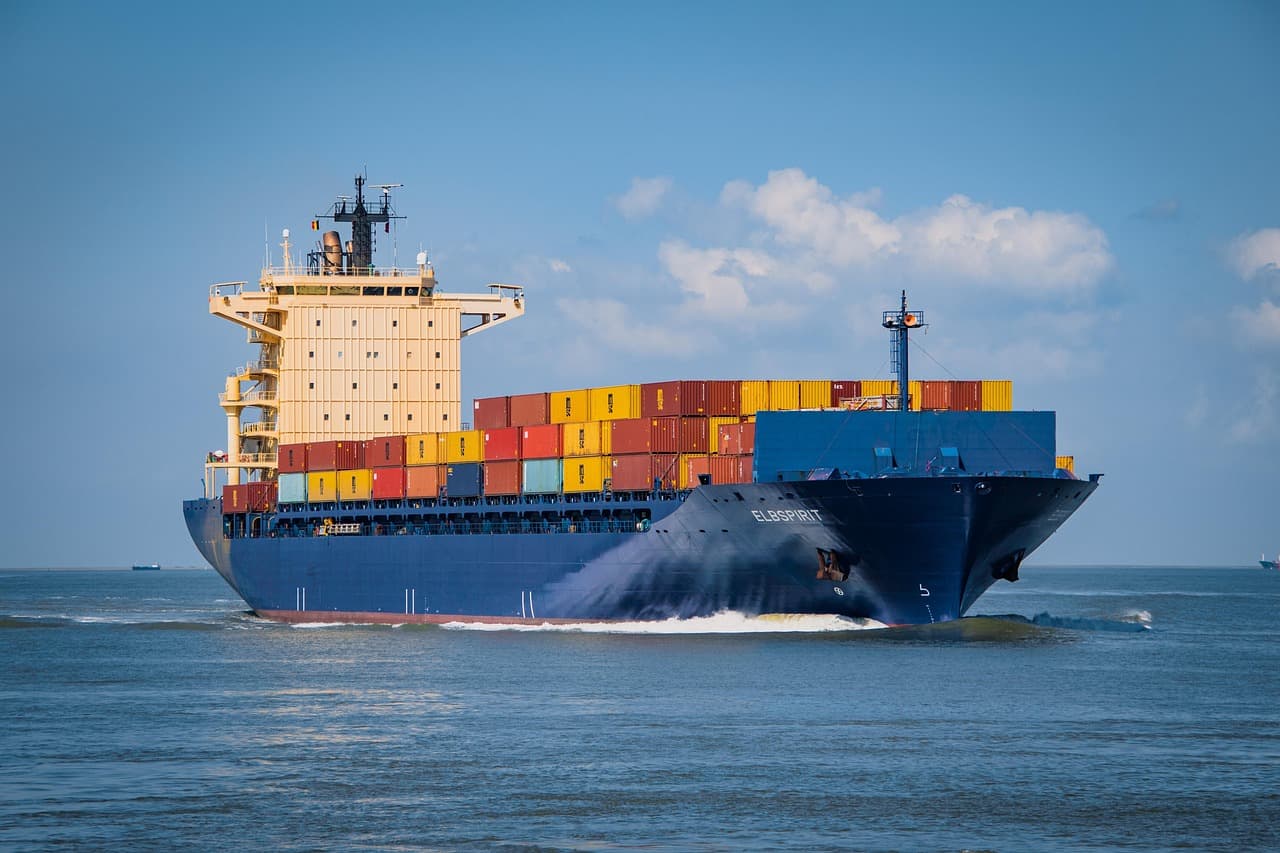
The sinking is part of a wider burst of violence: Iran attacked at least 15 container ships passing through the waterway in the 10 days before 19 October 2026, some with drones and others with mines. In the chaos, dozens of the sunken ship's 2,500 containers were seen floating in the water - and the cargo has become a story of its own.

02 / SECURITY

Looters and iPhone rumours

Social media filled with claims that iPhones and other expensive goods were among the cargo, fuelled by fake AI-generated photos published online. Accounts from the water suggest some people took the rumours seriously:

  • An unnamed fisher told an Iranian reporter that Arab boatmen, being closer to the ship, arrived before Iranians.
  • He said they used stonecutters to cut a container open and take whatever was inside.
03 / SECURITY

Officials warn the goods are not worth taking

Iranian authorities have moved to dispel both the rumours and the temptation. Col Javad Mokhtar Rezaei, deputy head of cultural and social affairs for Iran's cyber police (Fata), said exposing electronic components to salt water and extreme humidity can cause corrosion of internal components and damage to the boards, battery and display.

Meysam Doost-Mohammadi, spokesperson for the Iranian mobile phone association, added that it would be unusual for valuable devices to be transported by ship in the first place.

Officials have ordered local fishers not to pillage the sea for luxury items, saying the goods are the property of the state.

04 / SECURITY

Environmental toll of the attacks

Beyond the floating containers, scientists warn the attacks are damaging the region's marine environment. Dr Devaraj Asir Ramesh of Anna University in Chennai warned that the region's marine habitats face threats from toxic debris and oil spills, while noise might have disturbed marine life. He said Iranian strikes on the Emirates were likely to have contaminated seagrass beds with hydrocarbons and caused auditory damage to cetaceans.

Writing in the International Journal of Research and Innovation in Social Sciences, he argued that oil spills, chemical leaks and acoustic disturbances have impaired biodiversity, fisheries, aquaculture, desalination and eco-tourism.

Iran's own president has framed the damage in stark terms. On Friday, Masoud Pezeshkian said the conflicts in Gaza and the wider Middle East had inflicted a significant toll on nature that extended beyond borders and required international solutions, and argued that sanctioned or attacked countries should not be forced to shoulder the financial burden of environmental damage resulting from conflicts they did not initiate.

"What has occurred in our region as a result of wars of aggression is ecocide, or environmental genocide, and it must be condemned."

For now, the authorities' order stands: the fishers of the strait are barred from taking anything the sunken ship left behind, because it belongs to the state.


Strait of Hormuz ship attacks scatter spilt cargo across the water
WORLD · SECURITY

Strait of Hormuz ship attacks scatter spilt cargo across the water

Strait of Hormuz ship attacks have left dozens of containers floating in the water after a ship sank on a mine, drawing looters to the scene. Iranian officials have warned fishers not to pillage the spilt goods, saying they are state property.

By LiveDigestPublished Monday, October 19, 2026 · 15:54 GMT | 3 min read

Strait of Hormuz ship attacks scatter spilt cargo across the water

01 / SECURITY

Containers adrift after a mine sinking

A ship travelling from Karachi, Pakistan, to Fujairah in the UAE sank last Wednesday after hitting a mine, according to Iranian state TV. All 21 crew members were evacuated and no injuries were reported.

The sinking is part of a wider burst of violence: Iran attacked at least 15 container ships passing through the waterway in the 10 days before 19 October 2026, some with drones and others with mines. In the chaos, dozens of the sunken ship's 2,500 containers were seen floating in the water - and the cargo has become a story of its own.

02 / SECURITY

Looters and iPhone rumours

Social media filled with claims that iPhones and other expensive goods were among the cargo, fuelled by fake AI-generated photos published online. Accounts from the water suggest some people took the rumours seriously:

  • An unnamed fisher told an Iranian reporter that Arab boatmen, being closer to the ship, arrived before Iranians.
  • He said they used stonecutters to cut a container open and take whatever was inside.
03 / SECURITY

Officials warn the goods are not worth taking

Iranian authorities have moved to dispel both the rumours and the temptation. Col Javad Mokhtar Rezaei, deputy head of cultural and social affairs for Iran's cyber police (Fata), said exposing electronic components to salt water and extreme humidity can cause corrosion of internal components and damage to the boards, battery and display.

Meysam Doost-Mohammadi, spokesperson for the Iranian mobile phone association, added that it would be unusual for valuable devices to be transported by ship in the first place.

Officials have ordered local fishers not to pillage the sea for luxury items, saying the goods are the property of the state.

04 / SECURITY

Environmental toll of the attacks

Beyond the floating containers, scientists warn the attacks are damaging the region's marine environment. Dr Devaraj Asir Ramesh of Anna University in Chennai warned that the region's marine habitats face threats from toxic debris and oil spills, while noise might have disturbed marine life. He said Iranian strikes on the Emirates were likely to have contaminated seagrass beds with hydrocarbons and caused auditory damage to cetaceans.

Writing in the International Journal of Research and Innovation in Social Sciences, he argued that oil spills, chemical leaks and acoustic disturbances have impaired biodiversity, fisheries, aquaculture, desalination and eco-tourism.

Iran's own president has framed the damage in stark terms. On Friday, Masoud Pezeshkian said the conflicts in Gaza and the wider Middle East had inflicted a significant toll on nature that extended beyond borders and required international solutions, and argued that sanctioned or attacked countries should not be forced to shoulder the financial burden of environmental damage resulting from conflicts they did not initiate.

For now, the authorities' order stands: the fishers of the strait are barred from taking anything the sunken ship left behind, because it belongs to the state.

"What has occurred in our region as a result of wars of aggression is ecocide, or environmental genocide, and it must be condemned."
Strait of Hormuz ship attacks scatter spilt cargo across the water
WORLD · SECURITY

Strait of Hormuz ship attacks scatter spilt cargo across the water

By LiveDigest

Strait of Hormuz ship attacks scatter spilt cargo across the water

01 / SECURITY

Containers adrift after a mine sinking

A ship travelling from Karachi, Pakistan, to Fujairah in the UAE sank last Wednesday after hitting a mine, according to Iranian state TV. All 21 crew members were evacuated and no injuries were reported.

The sinking is part of a wider burst of violence: Iran attacked at least 15 container ships passing through the waterway in the 10 days before 19 October 2026, some with drones and others with mines. In the chaos, dozens of the sunken ship's 2,500 containers were seen floating in the water - and the cargo has become a story of its own.

02 / SECURITY

Looters and iPhone rumours

Social media filled with claims that iPhones and other expensive goods were among the cargo, fuelled by fake AI-generated photos published online. Accounts from the water suggest some people took the rumours seriously:

  • An unnamed fisher told an Iranian reporter that Arab boatmen, being closer to the ship, arrived before Iranians.
  • He said they used stonecutters to cut a container open and take whatever was inside.
03 / SECURITY

Officials warn the goods are not worth taking

Iranian authorities have moved to dispel both the rumours and the temptation. Col Javad Mokhtar Rezaei, deputy head of cultural and social affairs for Iran's cyber police (Fata), said exposing electronic components to salt water and extreme humidity can cause corrosion of internal components and damage to the boards, battery and display.

Meysam Doost-Mohammadi, spokesperson for the Iranian mobile phone association, added that it would be unusual for valuable devices to be transported by ship in the first place.

Officials have ordered local fishers not to pillage the sea for luxury items, saying the goods are the property of the state.

04 / SECURITY

Environmental toll of the attacks

Beyond the floating containers, scientists warn the attacks are damaging the region's marine environment. Dr Devaraj Asir Ramesh of Anna University in Chennai warned that the region's marine habitats face threats from toxic debris and oil spills, while noise might have disturbed marine life. He said Iranian strikes on the Emirates were likely to have contaminated seagrass beds with hydrocarbons and caused auditory damage to cetaceans.

Writing in the International Journal of Research and Innovation in Social Sciences, he argued that oil spills, chemical leaks and acoustic disturbances have impaired biodiversity, fisheries, aquaculture, desalination and eco-tourism.

Iran's own president has framed the damage in stark terms. On Friday, Masoud Pezeshkian said the conflicts in Gaza and the wider Middle East had inflicted a significant toll on nature that extended beyond borders and required international solutions, and argued that sanctioned or attacked countries should not be forced to shoulder the financial burden of environmental damage resulting from conflicts they did not initiate.

For now, the authorities' order stands: the fishers of the strait are barred from taking anything the sunken ship left behind, because it belongs to the state.

"What has occurred in our region as a result of wars of aggression is ecocide, or environmental genocide, and it must be condemned."