Seneca Meadows landfill: New York waste pile taller than the Statue of Liberty awaits expansion decision
WORLD · ENVIRONMENT

Seneca Meadows landfill: New York waste pile taller than the Statue of Liberty awaits expansion decision

Seneca Meadows, New York's largest active landfill, has grown since the 1980s into a 350-acre trash mound of around 300ft in the Finger Lakes region, and operator Waste Connections wants to add 47 acres of new cells and another 70ft of height while state authorities decide whether to grant the expansion.

By LiveDigestPublished Friday, November 13, 2026 · 12:59 GMT | 5 min read

Seneca Meadows landfill: New York waste pile taller than the Statue of Liberty awaits expansion decision

01 / ENVIRONMENT

A trash hill by the Finger Lakes

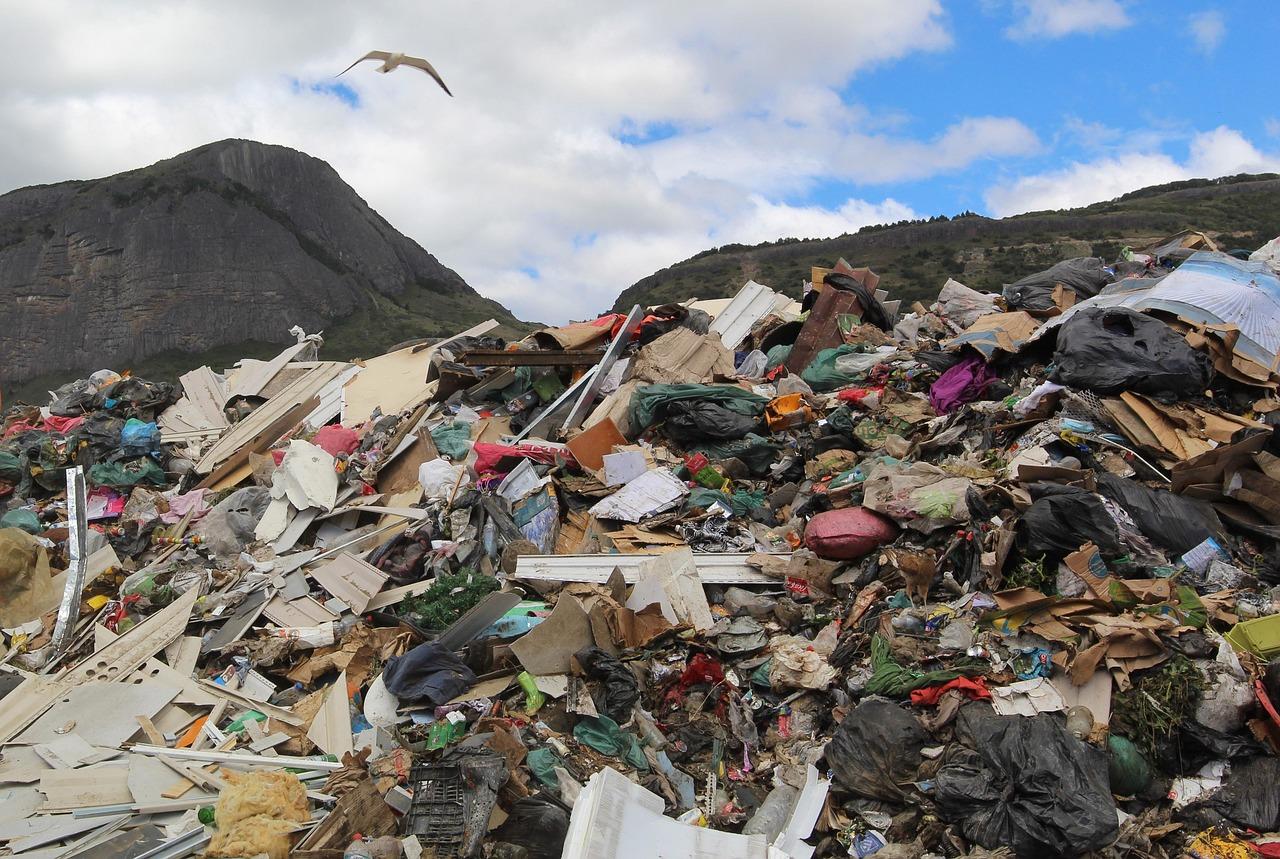
In the flat landscape of New York's Finger Lakes region, one feature breaks the horizon: the Seneca Meadows landfill, the largest active landfill in the state, now mounded to roughly 300ft - about the height of the Statue of Liberty - across 350 acres of deposited trash that has accumulated since the 1980s. The facility sits in the scenic Finger Lakes region in the northern reaches of New York state, and its operators are seeking to raise it even further.

People who work and live beside the mound say it dominates daily life. "All around the lakes is pretty flat until you see this monster of a hill," said Mark Pitifer, a marketing administrator at glass packaging company Waterloo Containers next to the landfill. He added: "it's like being in downtown New York City only instead of a building, it's trash."

The stench reaches indoors, too. Waterloo Containers has had to install filtration equipment to help employees deal with the overpowering stench of the landfill.

02 / ENVIRONMENT

What the operator proposes

Waste Connections, a Texas-based company, proposes elongating the life of the landfill for several more decades via 47 acres of newly lined disposal cells and adding another 70ft of height. New York state authorities are mulling whether to grant this expansion.

The scale of what flows into Seneca Meadows is large: it receives around 6,000 tons of trash each day from across New York, with 1,500 of those tons originating from New York City.

Waste Connections did not respond to the Guardian's questions about the plans, but defends its environmental measures and record on its website. There, the company says it is dedicated to the preservation and advancement of the environment, has an exemplary compliance record, uses a double composite liner, collects rainwater that has contacted waste, and captures landfill gas to generate electricity.

On odor and emissions specifically, the operator says the landfill gas is 50 per cent methane, that it is collected and controlled, and that air monitoring data shows its state of the art odor-capture equipment is effective.

03 / ENVIRONMENT

Methane and local complaints

A study last year that used aircraft measurements found Seneca Meadows is now the largest source of methane - a potent greenhouse gas - in New York state.

Criticism of the site has reached the state capitol. Emily Gallagher, a Democratic member of the New York state assembly who toured the site and convened a hearing on the state's waste storage policies, said: "We are at the precipice of a crisis." She described "this huge mountain of trash that is off gassing almost 24 hours a day … contaminating the Finger Lakes, contaminating the groundwater", and called for the expansion to be shut down.

Nearby residents have organized against the site. Yvonne Taylor, co-founder of the Seneca Lake Guardian environmental group, stressed she did not want other communities to suffer as hers has. She said residents text her that they have had to remove their children from the nearby school because the smell had sickened them, and that outdoor birthday parties were ruined.

Taylor's group is focused on this landfill first. "Our philosophy is that we need to start somewhere, and that somewhere is with Seneca Meadows," she said. She argued that plastic grocery bags, toothbrushes, toothpaste, shampoo and laundry detergent bottles can be packaged in other materials that avoid landfills. "So the solutions are out there. We just need the political capital to turn this around," she said.

04 / ENVIRONMENT

Where New York City's trash goes

New York City residents create around 12,000 tons of trash a day, and the city has not hosted its own waste for several decades. The city does not send residential trash to Seneca Meadows, although some private contractors do.

Instead, the city's rubbish travels to landfills hundreds of miles away that are rapidly filling up and are set to be completely full within the next 16 to 25 years.

A spokesman for the city's sanitation department pointed to the shrinking capacity: "As capacity continues to shrink in the region, we will likely export trash to further locations." The spokesman said the city's commitment to rail export makes moving waste to more distant sites easier than trucking.

The city's municipal government has pointed to efforts such as the pickup and composting of organic matter, which makes up around a third of what is left as trash in the city.

Gallagher, whose district includes a part of New York City's borough of Brooklyn, tied the state's waste squeeze to policy failures. She said lobbying and donations from plastics and fossil fuel interests have stymied strict waste-reduction measures, and estimated 80% of the Seneca Meadows contents could be recycled. She also argued that the language of disposal misleads: "We say throwing away but there is no away."

Locals in Waterloo and Seneca Falls - the birthplace of the US women's rights movement - had hoped the bulging landfill would be closed when its permit expired last year.

Both the New York state department of environmental conservation and Waste Connections were contacted for comment and did not respond.

For now, the decision rests with New York state authorities, who are still weighing whether to grant Waste Connections' proposed 47-acre, 70ft-taller expansion of Seneca Meadows.


Seneca Meadows landfill: New York waste pile taller than the Statue of Liberty awaits expansion decision
WORLD · ENVIRONMENT

Seneca Meadows landfill: New York waste pile taller than the Statue of Liberty awaits expansion decision

Seneca Meadows, New York's largest active landfill, has grown since the 1980s into a 350-acre trash mound of around 300ft in the Finger Lakes region, and operator Waste Connections wants to add 47 acres of new cells and another 70ft of height while state authorities decide whether to grant the expansion.

By LiveDigestPublished Friday, November 13, 2026 · 12:59 GMT | 5 min read

Seneca Meadows landfill: New York waste pile taller than the Statue of Liberty awaits expansion decision

01 / ENVIRONMENT

A trash hill by the Finger Lakes

In the flat landscape of New York's Finger Lakes region, one feature breaks the horizon: the Seneca Meadows landfill, the largest active landfill in the state, now mounded to roughly 300ft - about the height of the Statue of Liberty - across 350 acres of deposited trash that has accumulated since the 1980s. The facility sits in the scenic Finger Lakes region in the northern reaches of New York state, and its operators are seeking to raise it even further.

People who work and live beside the mound say it dominates daily life. "All around the lakes is pretty flat until you see this monster of a hill," said Mark Pitifer, a marketing administrator at glass packaging company Waterloo Containers next to the landfill. He added: "it's like being in downtown New York City only instead of a building, it's trash."

The stench reaches indoors, too. Waterloo Containers has had to install filtration equipment to help employees deal with the overpowering stench of the landfill.

02 / ENVIRONMENT

What the operator proposes

Waste Connections, a Texas-based company, proposes elongating the life of the landfill for several more decades via 47 acres of newly lined disposal cells and adding another 70ft of height. New York state authorities are mulling whether to grant this expansion.

The scale of what flows into Seneca Meadows is large: it receives around 6,000 tons of trash each day from across New York, with 1,500 of those tons originating from New York City.

Waste Connections did not respond to the Guardian's questions about the plans, but defends its environmental measures and record on its website. There, the company says it is dedicated to the preservation and advancement of the environment, has an exemplary compliance record, uses a double composite liner, collects rainwater that has contacted waste, and captures landfill gas to generate electricity.

On odor and emissions specifically, the operator says the landfill gas is 50 per cent methane, that it is collected and controlled, and that air monitoring data shows its state of the art odor-capture equipment is effective.

03 / ENVIRONMENT

Methane and local complaints

A study last year that used aircraft measurements found Seneca Meadows is now the largest source of methane - a potent greenhouse gas - in New York state.

Criticism of the site has reached the state capitol. Emily Gallagher, a Democratic member of the New York state assembly who toured the site and convened a hearing on the state's waste storage policies, said: "We are at the precipice of a crisis." She described "this huge mountain of trash that is off gassing almost 24 hours a day … contaminating the Finger Lakes, contaminating the groundwater", and called for the expansion to be shut down.

Nearby residents have organized against the site. Yvonne Taylor, co-founder of the Seneca Lake Guardian environmental group, stressed she did not want other communities to suffer as hers has. She said residents text her that they have had to remove their children from the nearby school because the smell had sickened them, and that outdoor birthday parties were ruined.

Taylor's group is focused on this landfill first. "Our philosophy is that we need to start somewhere, and that somewhere is with Seneca Meadows," she said. She argued that plastic grocery bags, toothbrushes, toothpaste, shampoo and laundry detergent bottles can be packaged in other materials that avoid landfills. "So the solutions are out there. We just need the political capital to turn this around," she said.

04 / ENVIRONMENT

Where New York City's trash goes

New York City residents create around 12,000 tons of trash a day, and the city has not hosted its own waste for several decades. The city does not send residential trash to Seneca Meadows, although some private contractors do.

Instead, the city's rubbish travels to landfills hundreds of miles away that are rapidly filling up and are set to be completely full within the next 16 to 25 years.

A spokesman for the city's sanitation department pointed to the shrinking capacity: "As capacity continues to shrink in the region, we will likely export trash to further locations." The spokesman said the city's commitment to rail export makes moving waste to more distant sites easier than trucking.

The city's municipal government has pointed to efforts such as the pickup and composting of organic matter, which makes up around a third of what is left as trash in the city.

Gallagher, whose district includes a part of New York City's borough of Brooklyn, tied the state's waste squeeze to policy failures. She said lobbying and donations from plastics and fossil fuel interests have stymied strict waste-reduction measures, and estimated 80% of the Seneca Meadows contents could be recycled. She also argued that the language of disposal misleads: "We say throwing away but there is no away."

Locals in Waterloo and Seneca Falls - the birthplace of the US women's rights movement - had hoped the bulging landfill would be closed when its permit expired last year.

Both the New York state department of environmental conservation and Waste Connections were contacted for comment and did not respond.

For now, the decision rests with New York state authorities, who are still weighing whether to grant Waste Connections' proposed 47-acre, 70ft-taller expansion of Seneca Meadows.

Seneca Meadows landfill: New York waste pile taller than the Statue of Liberty awaits expansion decision
WORLD · ENVIRONMENT

Seneca Meadows landfill: New York waste pile taller than the Statue of Liberty awaits expansion decision

By LiveDigest

Seneca Meadows landfill: New York waste pile taller than the Statue of Liberty awaits expansion decision

01 / ENVIRONMENT

A trash hill by the Finger Lakes

In the flat landscape of New York's Finger Lakes region, one feature breaks the horizon: the Seneca Meadows landfill, the largest active landfill in the state, now mounded to roughly 300ft - about the height of the Statue of Liberty - across 350 acres of deposited trash that has accumulated since the 1980s. The facility sits in the scenic Finger Lakes region in the northern reaches of New York state, and its operators are seeking to raise it even further.

People who work and live beside the mound say it dominates daily life. "All around the lakes is pretty flat until you see this monster of a hill," said Mark Pitifer, a marketing administrator at glass packaging company Waterloo Containers next to the landfill. He added: "it's like being in downtown New York City only instead of a building, it's trash."

The stench reaches indoors, too. Waterloo Containers has had to install filtration equipment to help employees deal with the overpowering stench of the landfill.

02 / ENVIRONMENT

What the operator proposes

Waste Connections, a Texas-based company, proposes elongating the life of the landfill for several more decades via 47 acres of newly lined disposal cells and adding another 70ft of height. New York state authorities are mulling whether to grant this expansion.

The scale of what flows into Seneca Meadows is large: it receives around 6,000 tons of trash each day from across New York, with 1,500 of those tons originating from New York City.

Waste Connections did not respond to the Guardian's questions about the plans, but defends its environmental measures and record on its website. There, the company says it is dedicated to the preservation and advancement of the environment, has an exemplary compliance record, uses a double composite liner, collects rainwater that has contacted waste, and captures landfill gas to generate electricity.

On odor and emissions specifically, the operator says the landfill gas is 50 per cent methane, that it is collected and controlled, and that air monitoring data shows its state of the art odor-capture equipment is effective.

03 / ENVIRONMENT

Methane and local complaints

A study last year that used aircraft measurements found Seneca Meadows is now the largest source of methane - a potent greenhouse gas - in New York state.

Criticism of the site has reached the state capitol. Emily Gallagher, a Democratic member of the New York state assembly who toured the site and convened a hearing on the state's waste storage policies, said: "We are at the precipice of a crisis." She described "this huge mountain of trash that is off gassing almost 24 hours a day … contaminating the Finger Lakes, contaminating the groundwater", and called for the expansion to be shut down.

Nearby residents have organized against the site. Yvonne Taylor, co-founder of the Seneca Lake Guardian environmental group, stressed she did not want other communities to suffer as hers has. She said residents text her that they have had to remove their children from the nearby school because the smell had sickened them, and that outdoor birthday parties were ruined.

Taylor's group is focused on this landfill first. "Our philosophy is that we need to start somewhere, and that somewhere is with Seneca Meadows," she said. She argued that plastic grocery bags, toothbrushes, toothpaste, shampoo and laundry detergent bottles can be packaged in other materials that avoid landfills. "So the solutions are out there. We just need the political capital to turn this around," she said.

04 / ENVIRONMENT

Where New York City's trash goes

New York City residents create around 12,000 tons of trash a day, and the city has not hosted its own waste for several decades. The city does not send residential trash to Seneca Meadows, although some private contractors do.

Instead, the city's rubbish travels to landfills hundreds of miles away that are rapidly filling up and are set to be completely full within the next 16 to 25 years.

A spokesman for the city's sanitation department pointed to the shrinking capacity: "As capacity continues to shrink in the region, we will likely export trash to further locations." The spokesman said the city's commitment to rail export makes moving waste to more distant sites easier than trucking.

The city's municipal government has pointed to efforts such as the pickup and composting of organic matter, which makes up around a third of what is left as trash in the city.

Gallagher, whose district includes a part of New York City's borough of Brooklyn, tied the state's waste squeeze to policy failures. She said lobbying and donations from plastics and fossil fuel interests have stymied strict waste-reduction measures, and estimated 80% of the Seneca Meadows contents could be recycled. She also argued that the language of disposal misleads: "We say throwing away but there is no away."

Locals in Waterloo and Seneca Falls - the birthplace of the US women's rights movement - had hoped the bulging landfill would be closed when its permit expired last year.

Both the New York state department of environmental conservation and Waste Connections were contacted for comment and did not respond.

For now, the decision rests with New York state authorities, who are still weighing whether to grant Waste Connections' proposed 47-acre, 70ft-taller expansion of Seneca Meadows.