Saudi Arabia strikes Yemen oil depots as missiles headed toward Saudi Aramco HQ are intercepted
WORLD · SECURITY

Saudi Arabia strikes Yemen oil depots as missiles headed toward Saudi Aramco HQ are intercepted

Saudi Arabia struck the Central Sabaha Station oil depot on the outskirts of Sana'a on Tuesday, and the Saudi-led coalition said it intercepted missiles launched toward Dharan, home of Saudi Aramco's headquarters.

By LiveDigestPublished Wednesday, October 14, 2026 · 01:58 GMT | 3 min read

Saudi Arabia strikes Yemen oil depots as missiles headed toward Saudi Aramco HQ are intercepted

Saudi Arabia launched a series of strikes on the Central Sabaha Station oil depot on the outskirts of Yemen's capital, Sana'a, on Tuesday. Later the same day, the Saudi-led coalition said it had intercepted missiles launched toward Dharan, where the headquarters of the national energy company Saudi Aramco is located.

01 / SECURITY

Sana'a depot strike and evacuation warnings

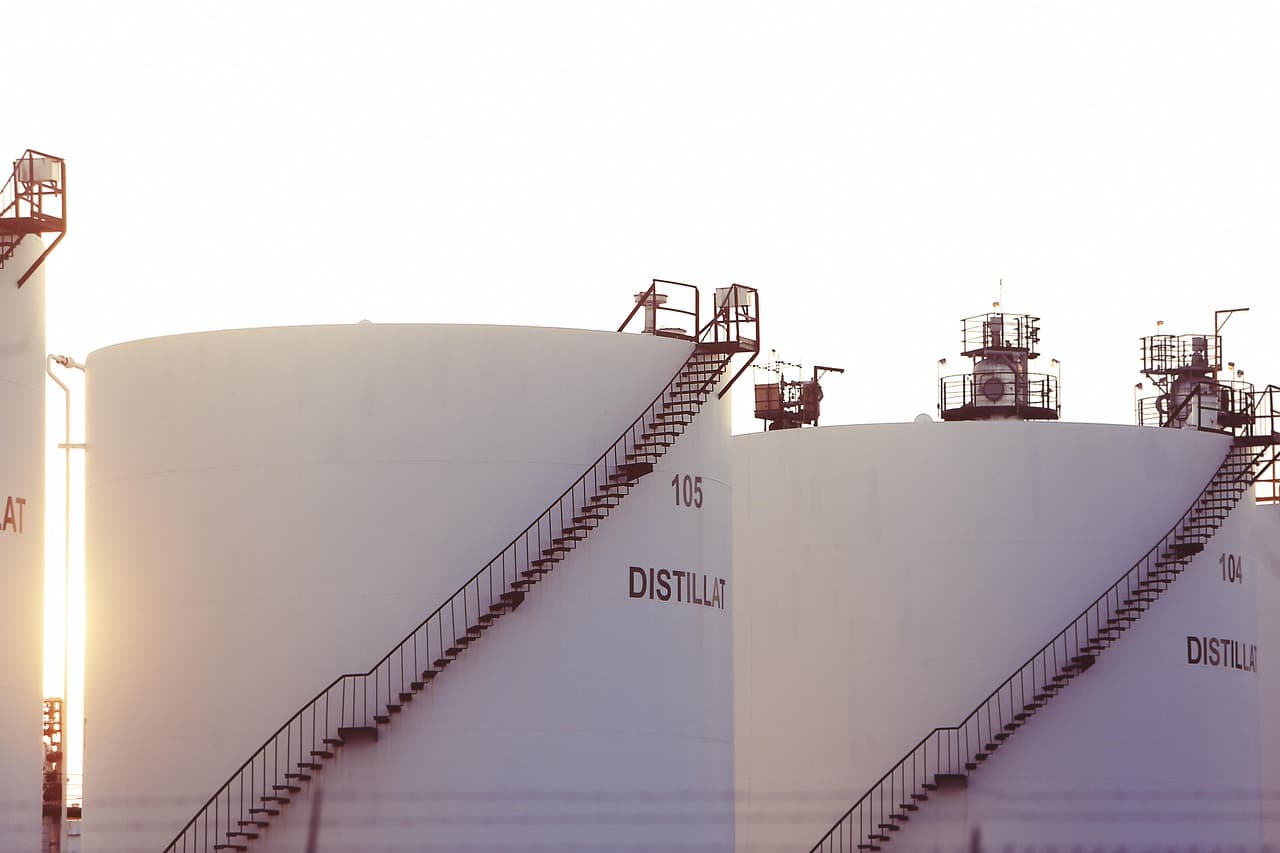
The Central Sabaha Station oil depot sits on the western side of Sana'a and contains large fuel tanks. Before its offensive on Tuesday, a Saudi spokesperson warned civilians to leave the target area.

The Yemeni Oil Company said its storage facilities were empty at the time of the attack.

02 / SECURITY

Missiles intercepted near Dharan

The coalition said fragments from the interception fell on a residential area, and witnesses reported hearing loud booms. A Houthi spokesperson told "all employees and citizens present near any facility affiliated with Aramco Petroleum in Riyadh to evacuate it and stay away from it", describing the facilities as a legitimate target.

An evacuation order for the Aramco building had been issued, four sources told Reuters. There was no official comment or confirmation from Aramco.

03 / SECURITY

Wider strikes and the Riyadh airport response

Houthi oil depots at Ras Isa port in Hodeidah were also struck in 10 waves of attacks. The strikes aimed at immobilising the Houthi army as it continues its push south, including towards the city of Taiz. In a separate raid, the Saudis targeted a site in the Bani Mu'in area of the Razih border district, west of Saada governorate, which they believe served as a Houthi leadership hide-out.

The attack on the depot appears to answer Saturday's Houthi strike on King Khalid international airport in Riyadh, which killed 13 people and left 300 injured. The airport is closed until Saturday at the earliest.

04 / SECURITY

Southern front and expert view

The latest phase of the conflict began last month after the rebels seized key areas along the Bab el-Mandeb Strait. The Houthis have drawn close enough to the edges of Taiz to fire rockets into residential areas, and leaders have appealed to the Yemeni government for military equipment. Public health professionals warned of a shortage of medicines for patients in intensive care.

  • Government-aligned forces moved reinforcements into Al-Mudarabba, a south-western district of Lahij governorate, and into the mountain district of Al-Waz'iyya
  • The Southern Transitional Council, a group whose main objective is southern secession, has been taking a more prominent role in the fight against the Houthis
  • On Tuesday, the exiled STC leader Aidarous al Zubaidi declared "a popular mobilisation in defence of the south, and its national liberation project"
  • Al Zubaidi, who lives in Abu Dhabi, reaffirmed his backing for a future referendum on whether South Yemen should become independent

Baraa Shiban, a Yemen specialist at the defence thinktank Royal United Services Institute (Rusi), warned "Saudi Arabia is struggling to respond" to improved Houthi arms technology. "They have learned how to deploy drones that fly lower and are smaller, and are less easy to detect," he said.

King Khalid international airport in Riyadh remains closed until Saturday at the earliest. Meanwhile, talks are testing whether the Saudi crown prince Mohammed bin Salman is prepared to legitimise the STC, which remains banned in Yemen and whose leader al Zubaidi has been charged with treason. Reinstatement of the STC would be seen as a betrayal by the current Yemen president, Rashad al-Alimi.

Saudi Arabia strikes Yemen oil depots as missiles headed toward Saudi Aramco HQ are intercepted
WORLD · SECURITY

Saudi Arabia strikes Yemen oil depots as missiles headed toward Saudi Aramco HQ are intercepted

Saudi Arabia struck the Central Sabaha Station oil depot on the outskirts of Sana'a on Tuesday, and the Saudi-led coalition said it intercepted missiles launched toward Dharan, home of Saudi Aramco's headquarters.

By LiveDigestPublished Wednesday, October 14, 2026 · 01:58 GMT | 3 min read

Saudi Arabia strikes Yemen oil depots as missiles headed toward Saudi Aramco HQ are intercepted

Saudi Arabia launched a series of strikes on the Central Sabaha Station oil depot on the outskirts of Yemen's capital, Sana'a, on Tuesday. Later the same day, the Saudi-led coalition said it had intercepted missiles launched toward Dharan, where the headquarters of the national energy company Saudi Aramco is located.

01 / SECURITY

Sana'a depot strike and evacuation warnings

The Central Sabaha Station oil depot sits on the western side of Sana'a and contains large fuel tanks. Before its offensive on Tuesday, a Saudi spokesperson warned civilians to leave the target area.

The Yemeni Oil Company said its storage facilities were empty at the time of the attack.

02 / SECURITY

Missiles intercepted near Dharan

The coalition said fragments from the interception fell on a residential area, and witnesses reported hearing loud booms. A Houthi spokesperson told "all employees and citizens present near any facility affiliated with Aramco Petroleum in Riyadh to evacuate it and stay away from it", describing the facilities as a legitimate target.

An evacuation order for the Aramco building had been issued, four sources told Reuters. There was no official comment or confirmation from Aramco.

03 / SECURITY

Wider strikes and the Riyadh airport response

Houthi oil depots at Ras Isa port in Hodeidah were also struck in 10 waves of attacks. The strikes aimed at immobilising the Houthi army as it continues its push south, including towards the city of Taiz. In a separate raid, the Saudis targeted a site in the Bani Mu'in area of the Razih border district, west of Saada governorate, which they believe served as a Houthi leadership hide-out.

The attack on the depot appears to answer Saturday's Houthi strike on King Khalid international airport in Riyadh, which killed 13 people and left 300 injured. The airport is closed until Saturday at the earliest.

04 / SECURITY

Southern front and expert view

The latest phase of the conflict began last month after the rebels seized key areas along the Bab el-Mandeb Strait. The Houthis have drawn close enough to the edges of Taiz to fire rockets into residential areas, and leaders have appealed to the Yemeni government for military equipment. Public health professionals warned of a shortage of medicines for patients in intensive care.

  • Government-aligned forces moved reinforcements into Al-Mudarabba, a south-western district of Lahij governorate, and into the mountain district of Al-Waz'iyya
  • The Southern Transitional Council, a group whose main objective is southern secession, has been taking a more prominent role in the fight against the Houthis
  • On Tuesday, the exiled STC leader Aidarous al Zubaidi declared "a popular mobilisation in defence of the south, and its national liberation project"
  • Al Zubaidi, who lives in Abu Dhabi, reaffirmed his backing for a future referendum on whether South Yemen should become independent

Baraa Shiban, a Yemen specialist at the defence thinktank Royal United Services Institute (Rusi), warned "Saudi Arabia is struggling to respond" to improved Houthi arms technology. "They have learned how to deploy drones that fly lower and are smaller, and are less easy to detect," he said.

King Khalid international airport in Riyadh remains closed until Saturday at the earliest. Meanwhile, talks are testing whether the Saudi crown prince Mohammed bin Salman is prepared to legitimise the STC, which remains banned in Yemen and whose leader al Zubaidi has been charged with treason. Reinstatement of the STC would be seen as a betrayal by the current Yemen president, Rashad al-Alimi.

Saudi Arabia strikes Yemen oil depots as missiles headed toward Saudi Aramco HQ are intercepted
WORLD · SECURITY

Saudi Arabia strikes Yemen oil depots as missiles headed toward Saudi Aramco HQ are intercepted

By LiveDigest

Saudi Arabia strikes Yemen oil depots as missiles headed toward Saudi Aramco HQ are intercepted

Saudi Arabia launched a series of strikes on the Central Sabaha Station oil depot on the outskirts of Yemen's capital, Sana'a, on Tuesday. Later the same day, the Saudi-led coalition said it had intercepted missiles launched toward Dharan, where the headquarters of the national energy company Saudi Aramco is located.

01 / SECURITY

Sana'a depot strike and evacuation warnings

The Central Sabaha Station oil depot sits on the western side of Sana'a and contains large fuel tanks. Before its offensive on Tuesday, a Saudi spokesperson warned civilians to leave the target area.

The Yemeni Oil Company said its storage facilities were empty at the time of the attack.

02 / SECURITY

Missiles intercepted near Dharan

The coalition said fragments from the interception fell on a residential area, and witnesses reported hearing loud booms. A Houthi spokesperson told "all employees and citizens present near any facility affiliated with Aramco Petroleum in Riyadh to evacuate it and stay away from it", describing the facilities as a legitimate target.

An evacuation order for the Aramco building had been issued, four sources told Reuters. There was no official comment or confirmation from Aramco.

03 / SECURITY

Wider strikes and the Riyadh airport response

Houthi oil depots at Ras Isa port in Hodeidah were also struck in 10 waves of attacks. The strikes aimed at immobilising the Houthi army as it continues its push south, including towards the city of Taiz. In a separate raid, the Saudis targeted a site in the Bani Mu'in area of the Razih border district, west of Saada governorate, which they believe served as a Houthi leadership hide-out.

The attack on the depot appears to answer Saturday's Houthi strike on King Khalid international airport in Riyadh, which killed 13 people and left 300 injured. The airport is closed until Saturday at the earliest.

04 / SECURITY

Southern front and expert view

The latest phase of the conflict began last month after the rebels seized key areas along the Bab el-Mandeb Strait. The Houthis have drawn close enough to the edges of Taiz to fire rockets into residential areas, and leaders have appealed to the Yemeni government for military equipment. Public health professionals warned of a shortage of medicines for patients in intensive care.

  • Government-aligned forces moved reinforcements into Al-Mudarabba, a south-western district of Lahij governorate, and into the mountain district of Al-Waz'iyya
  • The Southern Transitional Council, a group whose main objective is southern secession, has been taking a more prominent role in the fight against the Houthis
  • On Tuesday, the exiled STC leader Aidarous al Zubaidi declared "a popular mobilisation in defence of the south, and its national liberation project"
  • Al Zubaidi, who lives in Abu Dhabi, reaffirmed his backing for a future referendum on whether South Yemen should become independent

Baraa Shiban, a Yemen specialist at the defence thinktank Royal United Services Institute (Rusi), warned "Saudi Arabia is struggling to respond" to improved Houthi arms technology. "They have learned how to deploy drones that fly lower and are smaller, and are less easy to detect," he said.

King Khalid international airport in Riyadh remains closed until Saturday at the earliest. Meanwhile, talks are testing whether the Saudi crown prince Mohammed bin Salman is prepared to legitimise the STC, which remains banned in Yemen and whose leader al Zubaidi has been charged with treason. Reinstatement of the STC would be seen as a betrayal by the current Yemen president, Rashad al-Alimi.