Leaked Rosstat data shows more than 1,000 Russian military suicides in Ukraine war
Confidential Rosstat death certificates analysed by the Guardian record more than 1,000 suicides by Russian military personnel since the start of the full-scale invasion of Ukraine, with at least 614 occurring in occupied Ukrainian areas or bordering Russian regions.
Leaked Rosstat data shows more than 1,000 Russian military suicides in Ukraine war
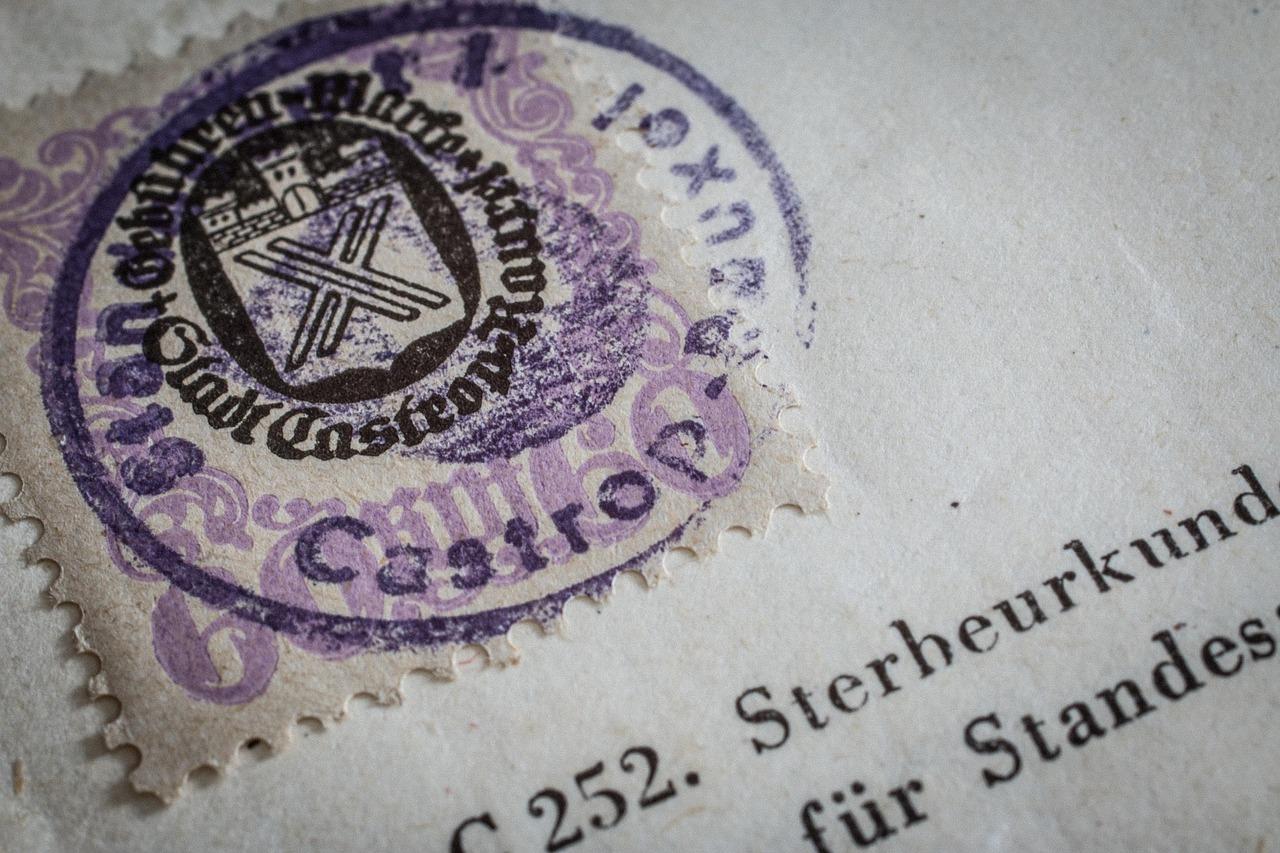
More than 1,000 Russian soldiers have been recorded as dying by suicide since the start of the full-scale invasion of Ukraine, according to confidential Russian state statistics data analysed by the Guardian. The figures on russian military suicides in the Ukraine war come from a cache of more than 11 million death certificates obtained by the Belarusian opposition-linked hacking group Cyber Partisans and the Ukrainian hacker collective Silent Crow.
Russia does not publish military suicide data and treats casualty figures as a state secret, which is why the leaked Rosstat records offer a rare view inside a toll the Kremlin keeps hidden. The Guardian's count of 1,087 suicides by military personnel is, analysts cited in the report say, almost certainly an undercount of the real total.
What the leaked certificates show
The cache covers death registrations held by Rosstat, Russia's federal statistics service, and the analysis identified the following pattern:
- 1,087 suicides by Russian military personnel since the full-scale invasion began.
- At least 614 of those suicides took place in occupied areas of Ukraine or in bordering Russian regions, mainly Belgorod and Bryansk.
- A further 113 records did not specify a location of death.
- An additional 885 soldiers in or near Ukraine were recorded as firearm-related injuries of undetermined intent, a classification experts say can conceal suicides.
- Taken together with the undetermined cases, the Guardian identified 1,038 military-related deaths with similar causes, 885 of which took place in Ukraine or a bordering region.
The recorded suicides amount to approximately a Russian regiment of dead, and analysts say the figures almost certainly underestimate the true number.
Who died and where
The certificates describe deaths spread across the geography of the war and the Russian rear:
- More than half of the suicides involved firearms, particularly those near the frontlines.
- Deaths occurred at military camps, combat positions, training grounds and private homes.
- Of those suicides that took place in the war zone, 43 were young soldiers aged 18 or 19.
- Away from the front, the records list 108 men under 25 who died by suicide elsewhere in Russia, some of them likely conscripts pressed to sign deployment contracts.
The annual count has climbed steadily. Recorded military suicides rose from more than 50 in 2022 to more than 200 in 2024, peaking at 365 in 2025. In 2026 the database already records almost 300 suicides, the second highest total for any year of the war, even though the records remain incomplete and lagging.
One sergeant's death
The certificates carry individual stories. Sergeant Alexei Bolgov was guarding a headquarters in occupied Donetsk region in late October 2024 when he told his wife Natalya by phone:
"It's horrific, what's going on here. I'll tell you when I get back."
Five weeks later, shortly after turning 29, Bolgov shot himself about 300 metres from his unit's command post near the village of Stepove, according to a written account by his commander, who recorded:
"On the day of his death, Bolgov was in a withdrawn state."
Experts and officials question the count
Several analysts and insiders told the Guardian the recorded figure is a floor rather than a ceiling. Rob Lee, a senior fellow at the Foreign Policy Research Institute, said the Russian military relies on coercion, including abuse and torture, to push soldiers forward, adding that "it's not surprising that some guys commit suicide".
Ivan Chuvilyaev, spokesperson for the deserters' group Idite Lesom, went further, calling the Rosstat figures "a low estimate". He said officials have little interest in an accurate count because the figures would be scrutinised further up the chain of command. Chuvilyaev said thoughts of suicide were common among soldiers his group helped to desert, describing it as "the next stop, after a man realises where he has ended up".
Both Chuvilyaev and Lee pointed to recording practices that would hide deaths: battlefield suicides, often after a soldier was wounded or as a Ukrainian drone approached, would probably be recorded as combat deaths rather than suicides. Chuvilyaev described the frontline as "a tin can" and summed up the incentive: "A man can kill himself, and on paper he is a hero."
Individual cases in the data support the undercount argument. Sergei Savenok, a 62-year-old lieutenant colonel from the Irkutsk region who volunteered in September 2022, was found shot dead in occupied Luhansk region in July 2023. His wife Yelena was told his death was suicide, but his Rosstat certificate records a death from injury resulting from the discharge of a handheld firearm, with undetermined intent.
Alexander Lazor, a 21-year-old private who died near Solodke in Donetsk region in summer 2022, was listed in the data as having succumbed to injuries due to warfare caused by firearms. Two soldiers who served with him told the Guardian the unit was informed he had taken his own life. One of them said: "Our whole unit was told he killed himself."
The pressure on Russian soldiers extends beyond the combat zone. By the end of May 2025, Russian military courts had received cases against 20,662 men for refusing to serve, mostly for going AWOL, according to Mediazona. IStories verified the court data and found at least 49,000 Russian servicemen had been declared deserters or AWOL.
The Rosstat database remains incomplete and lagging, and analysts say the true toll of suicides among Russian military personnel in the Ukraine war is almost certainly higher than any figure the leaked certificates can show.