Tears and cheers as Rohingya genocide ruling lands at The Hague and in Bangladesh camps
WORLD · DIPLOMACY

Tears and cheers as Rohingya genocide ruling lands at The Hague and in Bangladesh camps

Rohingya survivors wept in court and cheered in Bangladesh's refugee camps after the ICJ ruled that Myanmar's military committed genocide against them in 2017. The Rohingya genocide ruling, delivered at The Hague, followed a seven-year case brought by the Gambia.

By LiveDigestPublished Thursday, November 19, 2026 · 16:47 GMT | 3 min read

Tears and cheers as Rohingya genocide ruling lands at The Hague and in Bangladesh camps

01 / DIPLOMACY

A decade of waiting ends in court

Almost ten years after the violence began, the UN's top court declared that Myanmar's military had committed genocide against the Rohingya, and the finding brought tears at The Hague and applause in the refugee camps of Bangladesh. Judges found that Myanmar in 2017 intentionally tried to destroy the mostly Muslim minority through a campaign of mass killings and rape.

The case had taken seven years to reach this point, with Rohingya researchers working throughout to collect testimony from survivors. One Rohingya observer, who asked not to be named for safety reasons, was in the courtroom for the ruling and described how hard the final moments were to sit through.

During the last few minutes I couldn't even sit down any more, I had to move to the back

The same witness said they cried during the rulings, uncertain beforehand how they would react.

02 / DIPLOMACY

Celebrations in the world's largest refugee camp

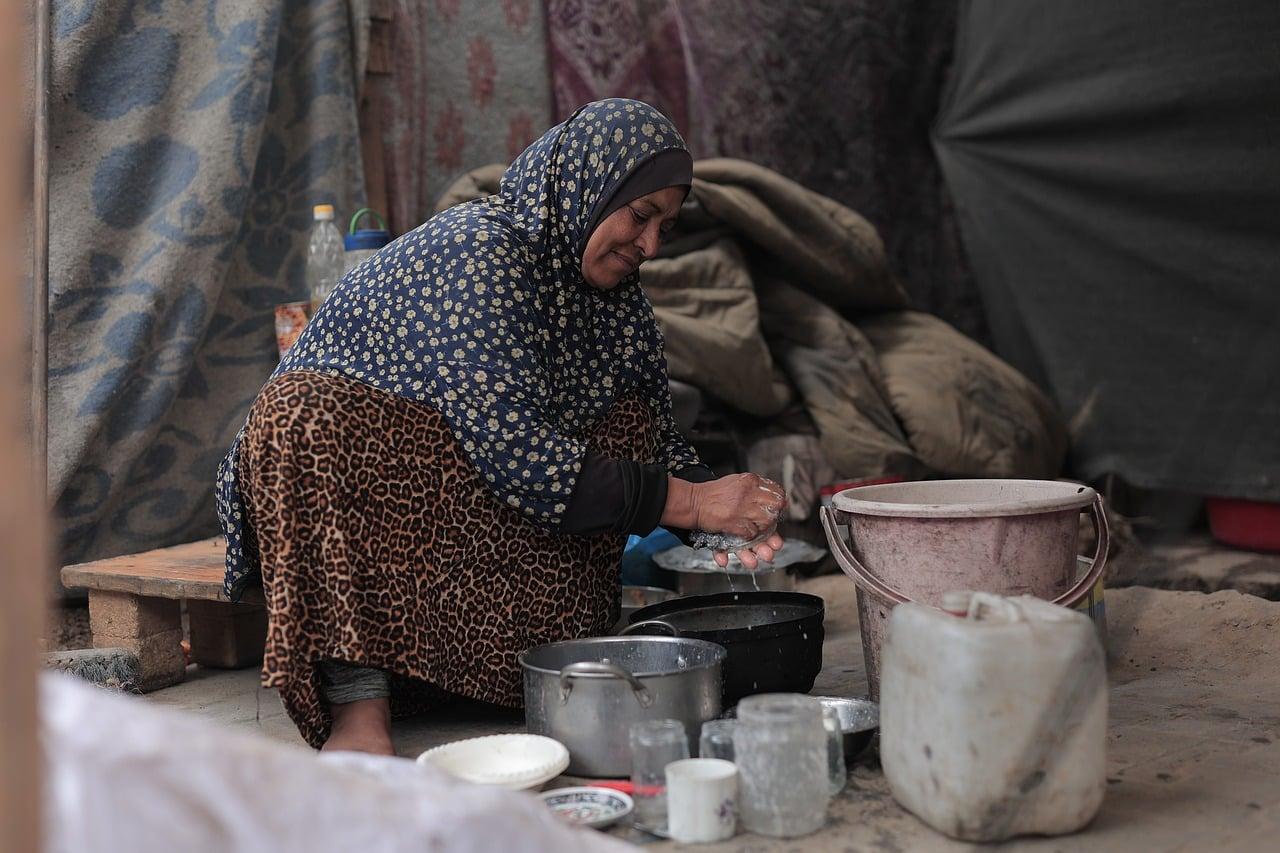
In Bangladesh, which hosts the world's largest refugee camp, the verdict was translated into the Rohingya language for crowds who had gathered to watch on specially set up screens. The atmosphere was one of celebration rather than quiet relief, with posters saluting the African nation that brought the case to the ICJ on behalf of the stateless minority.

  • The verdict was translated into Rohingya for the watching crowds
  • Screens were set up so camp residents could follow the ruling
  • Posters thanked the Gambia and linked justice to safe return
03 / DIPLOMACY

Survivors recall what was lost

Behind the celebrations are personal histories of loss. Salma, 30, a survivor who lost family members in the 2017 genocide, could hardly contain herself after the decision. "Everyone worked hard and struggled for this justice, for this cause. When they hear it today, everyone will be happy, thank God," she said.

Farida Khatun, 50, has been a refugee in Bangladesh since 2017, when her village, Tula Toli, was targeted by soldiers. Tula Toli, in north-western Myanmar near the Bangladesh border, was the scene of a massacre in August of that year, with reports of mass killings and gang rapes; it was destroyed and no longer exists. For her, the ruling carries mixed feelings. "Even though today's verdict makes us happy, my heart still cannot believe that they will take us back in true peace," she said.

04 / DIPLOMACY

What the court found and ordered

The outcome was not always expected. Hope had faded during early hearings when Aung San Suu Kyi, once a pro-democracy hero, defended the Myanmar military at The Hague. The court nonetheless highlighted the use of sexual violence and attacks on children alongside the killing of Rohingya who tried to flee, saying the violence exceeded ethnic cleansing.

The judges ordered Myanmar to provide reparations for the Rohingya and to end continuing breaches of the genocide convention. A parallel track runs through the ICC, whose investigation into the 2017 violence focuses on mass deportation; prosecutors in 2024 sought an arrest warrant for Myanmar's leader, Min Aung Hlaing.

With violence continuing in Myanmar, a return for the refugees remains unlikely, as happened after previous exoduses to Bangladesh in 1978 and the early 1990s. Salma, for her part, holds to the hope of going home. "We will be able to return to our homeland – with our rights, with our citizenship, and having received our full security. We will be able to return," she said.

The unnamed witness in court put the burden elsewhere: "Now the responsibility is with the international governments. It has been declared genocide now and they have to act."


Tears and cheers as Rohingya genocide ruling lands at The Hague and in Bangladesh camps
WORLD · DIPLOMACY

Tears and cheers as Rohingya genocide ruling lands at The Hague and in Bangladesh camps

Rohingya survivors wept in court and cheered in Bangladesh's refugee camps after the ICJ ruled that Myanmar's military committed genocide against them in 2017. The Rohingya genocide ruling, delivered at The Hague, followed a seven-year case brought by the Gambia.

By LiveDigestPublished Thursday, November 19, 2026 · 16:47 GMT | 3 min read

Tears and cheers as Rohingya genocide ruling lands at The Hague and in Bangladesh camps

01 / DIPLOMACY

A decade of waiting ends in court

Almost ten years after the violence began, the UN's top court declared that Myanmar's military had committed genocide against the Rohingya, and the finding brought tears at The Hague and applause in the refugee camps of Bangladesh. Judges found that Myanmar in 2017 intentionally tried to destroy the mostly Muslim minority through a campaign of mass killings and rape.

The case had taken seven years to reach this point, with Rohingya researchers working throughout to collect testimony from survivors. One Rohingya observer, who asked not to be named for safety reasons, was in the courtroom for the ruling and described how hard the final moments were to sit through.

The same witness said they cried during the rulings, uncertain beforehand how they would react.

During the last few minutes I couldn't even sit down any more, I had to move to the back
02 / DIPLOMACY

Celebrations in the world's largest refugee camp

In Bangladesh, which hosts the world's largest refugee camp, the verdict was translated into the Rohingya language for crowds who had gathered to watch on specially set up screens. The atmosphere was one of celebration rather than quiet relief, with posters saluting the African nation that brought the case to the ICJ on behalf of the stateless minority.

  • The verdict was translated into Rohingya for the watching crowds
  • Screens were set up so camp residents could follow the ruling
  • Posters thanked the Gambia and linked justice to safe return
03 / DIPLOMACY

Survivors recall what was lost

Behind the celebrations are personal histories of loss. Salma, 30, a survivor who lost family members in the 2017 genocide, could hardly contain herself after the decision. "Everyone worked hard and struggled for this justice, for this cause. When they hear it today, everyone will be happy, thank God," she said.

Farida Khatun, 50, has been a refugee in Bangladesh since 2017, when her village, Tula Toli, was targeted by soldiers. Tula Toli, in north-western Myanmar near the Bangladesh border, was the scene of a massacre in August of that year, with reports of mass killings and gang rapes; it was destroyed and no longer exists. For her, the ruling carries mixed feelings. "Even though today's verdict makes us happy, my heart still cannot believe that they will take us back in true peace," she said.

04 / DIPLOMACY

What the court found and ordered

The outcome was not always expected. Hope had faded during early hearings when Aung San Suu Kyi, once a pro-democracy hero, defended the Myanmar military at The Hague. The court nonetheless highlighted the use of sexual violence and attacks on children alongside the killing of Rohingya who tried to flee, saying the violence exceeded ethnic cleansing.

The judges ordered Myanmar to provide reparations for the Rohingya and to end continuing breaches of the genocide convention. A parallel track runs through the ICC, whose investigation into the 2017 violence focuses on mass deportation; prosecutors in 2024 sought an arrest warrant for Myanmar's leader, Min Aung Hlaing.

With violence continuing in Myanmar, a return for the refugees remains unlikely, as happened after previous exoduses to Bangladesh in 1978 and the early 1990s. Salma, for her part, holds to the hope of going home. "We will be able to return to our homeland – with our rights, with our citizenship, and having received our full security. We will be able to return," she said.

The unnamed witness in court put the burden elsewhere: "Now the responsibility is with the international governments. It has been declared genocide now and they have to act."

Tears and cheers as Rohingya genocide ruling lands at The Hague and in Bangladesh camps
WORLD · DIPLOMACY

Tears and cheers as Rohingya genocide ruling lands at The Hague and in Bangladesh camps

By LiveDigest

Tears and cheers as Rohingya genocide ruling lands at The Hague and in Bangladesh camps

01 / DIPLOMACY

A decade of waiting ends in court

Almost ten years after the violence began, the UN's top court declared that Myanmar's military had committed genocide against the Rohingya, and the finding brought tears at The Hague and applause in the refugee camps of Bangladesh. Judges found that Myanmar in 2017 intentionally tried to destroy the mostly Muslim minority through a campaign of mass killings and rape.

The case had taken seven years to reach this point, with Rohingya researchers working throughout to collect testimony from survivors. One Rohingya observer, who asked not to be named for safety reasons, was in the courtroom for the ruling and described how hard the final moments were to sit through.

The same witness said they cried during the rulings, uncertain beforehand how they would react.

During the last few minutes I couldn't even sit down any more, I had to move to the back
02 / DIPLOMACY

Celebrations in the world's largest refugee camp

In Bangladesh, which hosts the world's largest refugee camp, the verdict was translated into the Rohingya language for crowds who had gathered to watch on specially set up screens. The atmosphere was one of celebration rather than quiet relief, with posters saluting the African nation that brought the case to the ICJ on behalf of the stateless minority.

  • The verdict was translated into Rohingya for the watching crowds
  • Screens were set up so camp residents could follow the ruling
  • Posters thanked the Gambia and linked justice to safe return
03 / DIPLOMACY

Survivors recall what was lost

Behind the celebrations are personal histories of loss. Salma, 30, a survivor who lost family members in the 2017 genocide, could hardly contain herself after the decision. "Everyone worked hard and struggled for this justice, for this cause. When they hear it today, everyone will be happy, thank God," she said.

Farida Khatun, 50, has been a refugee in Bangladesh since 2017, when her village, Tula Toli, was targeted by soldiers. Tula Toli, in north-western Myanmar near the Bangladesh border, was the scene of a massacre in August of that year, with reports of mass killings and gang rapes; it was destroyed and no longer exists. For her, the ruling carries mixed feelings. "Even though today's verdict makes us happy, my heart still cannot believe that they will take us back in true peace," she said.

04 / DIPLOMACY

What the court found and ordered

The outcome was not always expected. Hope had faded during early hearings when Aung San Suu Kyi, once a pro-democracy hero, defended the Myanmar military at The Hague. The court nonetheless highlighted the use of sexual violence and attacks on children alongside the killing of Rohingya who tried to flee, saying the violence exceeded ethnic cleansing.

The judges ordered Myanmar to provide reparations for the Rohingya and to end continuing breaches of the genocide convention. A parallel track runs through the ICC, whose investigation into the 2017 violence focuses on mass deportation; prosecutors in 2024 sought an arrest warrant for Myanmar's leader, Min Aung Hlaing.

With violence continuing in Myanmar, a return for the refugees remains unlikely, as happened after previous exoduses to Bangladesh in 1978 and the early 1990s. Salma, for her part, holds to the hope of going home. "We will be able to return to our homeland – with our rights, with our citizenship, and having received our full security. We will be able to return," she said.

The unnamed witness in court put the burden elsewhere: "Now the responsibility is with the international governments. It has been declared genocide now and they have to act."