
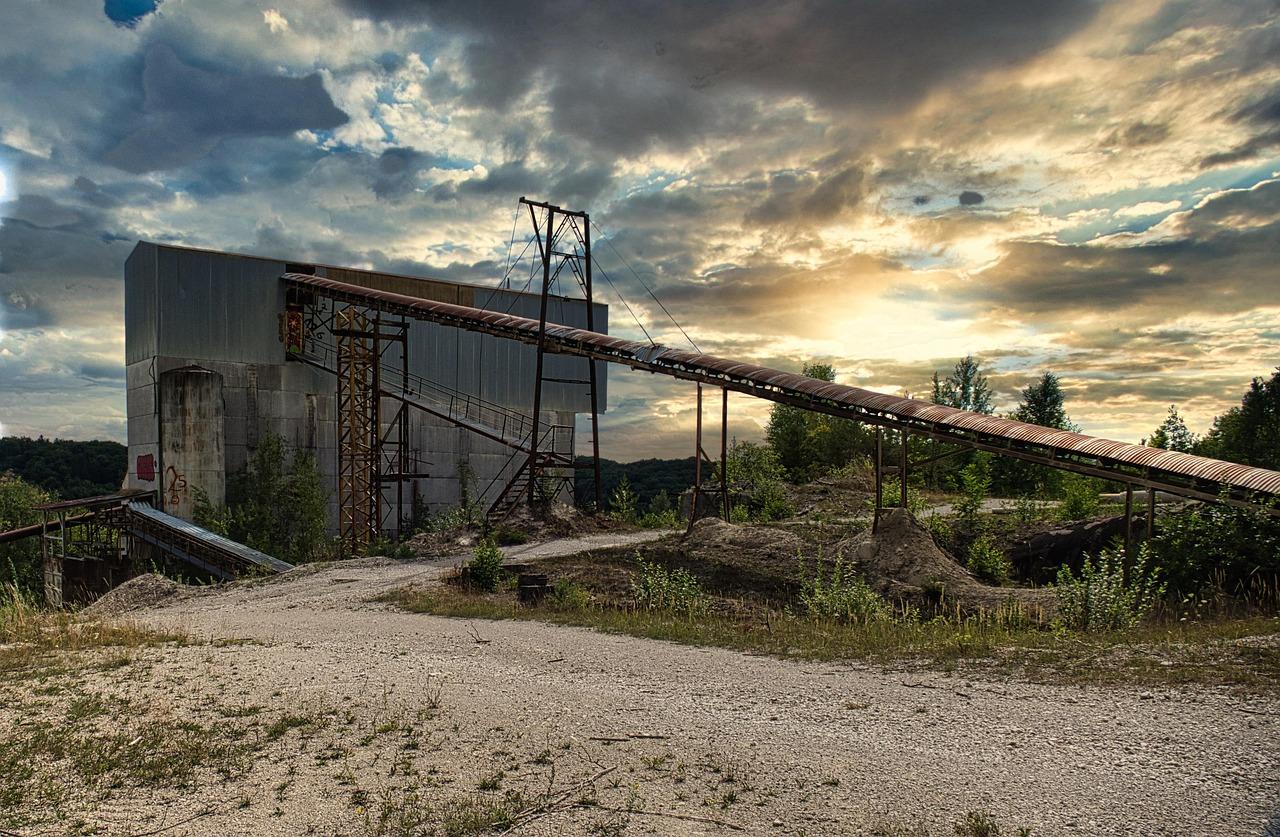
Rio Tinto agrees US$250m Panguna mine clean-up fund for Bougainville
Rio Tinto has voluntarily agreed to pay US$250m (A$370m) towards remediating the abandoned Panguna mine on Bougainville, 36 years after the copper and gold mine's closure fuelled a decade-long civil war.
Rio Tinto agrees US$250m Panguna mine clean-up fund for Bougainville
How the pledge came about
The Rio Tinto Panguna mine clean-up commitment emerged from the Panguna Mine Legacy Impact Assessment consultation process, initiated in response to a human rights complaint brought by the Australian-based Human Rights Law Centre, with Theonila Roka Matbob as lead complainant.
Keren Adams, the legal director of the Human Rights Law Centre, said establishing the fund took years of work, crediting the courage of community leaders and constructive dialogue.
- The fund comes from Rio Tinto voluntarily, not under a legal order
- The US$250m will not be enough to fully remediate the site, but is seen as a major step towards rehabilitation
Roka Matbob, a Bougainville cabinet minister and Panguna community leader, called the fund a vital contribution to repairing the devastation. While she said money alone cannot undo the harm done to Panguna's environment, she described the fund as laying a base for that repair work to begin.
What the abandoned mine left behind
Panguna was once among the world's most profitable gold and copper mines before it was shuttered in 1989 after violent protests over environmental damage and the inequitable division of the mine's profits.
The assessment found the site still poses acute dangers to human life and to the environment:
- Vast pillars of rubble stand at risk of collapse in the abandoned mine pit, and rivers polluted with toxins run bright blue
- Landslides, levee collapses and floods remain acute threats to lives
- Left untouched, the river delta will stay polluted for a century
From mine profits to civil war
Rio Tinto and other international investors earned nearly $2bn from Panguna over 17 years of operation from 1972, yet less than 1% of the profits went to Bougainvilleans.
Disaffected landowners ran a sabotage campaign that forced the mine's closure in 1989. Papua New Guinea sent police and then soldiers, and Bougainville was blockaded, descending into a brutal decade-long civil war known as "the crisis". Between 15,000 and 20,000 people were killed - roughly 10% of the island's population.
What leaders say happens next
Bougainville President Ishmael Toroama said the money would make a "meaningful difference" to villages and communities that had suffered from the impacts of the mine's pollution, and that continued community engagement is essential.
Roka Matbob said the most fundamental remediation is improving accessibility - access to safe and secure clean drinking water, and infrastructure such as bridges for trade, school and healthcare.
Rio Tinto chief safety and technical officer Mark Davies called the fund an important milestone intended to support the transition from the assessment to practical remedy implementation.
In his view, the next priority is consulting the affected communities: working out with them which needs the fund should address first. Rio Tinto has committed to shaping the fund's activities together with those communities.


