
Potatoes Moon Base: NASA-Backed Study Finds Crop Grows in Simulated Lunar Soil
A NASA-backed study led by Oregon State University biologist Aymeric Goyer found potatoes can grow, and be safe to eat, in simulated lunar soil when mixed with vermicompost - a step toward food for a future moon base.
Potatoes Moon Base: NASA-Backed Study Finds Crop Grows in Simulated Lunar Soil
Potatoes are an ideal candidate for farming on the moon, scientists on a project backed by NASA concluded after growing the crop in simulated lunar soil. The findings, published in the journal npj Microgravity in a report titled "Growth and molecular responses of potato to lunar regolith simulants", describe viable potatoes that the researchers say are safe to eat - a point they stress is essential for any food produced off Earth.
Why potatoes
Oregon State University plant biologist Aymeric Goyer, who led the NASA potato study, makes a practical case for the crop. Potatoes provide more calories per land area than many other crops, he said, and they are nutritious: more potassium than a banana, vitamin C, good proteins and a high satiety index.
How the experiment worked
The researchers did not use real moon material. They worked with lunar regolith simulants - engineered, Earth-based materials that replicate the properties of moon dust and soil - mixed with varying levels of vermicompost, an organic amendment made when composting worms, typically red wigglers (Eisenia fetida), break down food scraps and organic waste. Regolith is the loose blanket of stones and dust covering solid rock on the surface of the moon, Mars and asteroids.
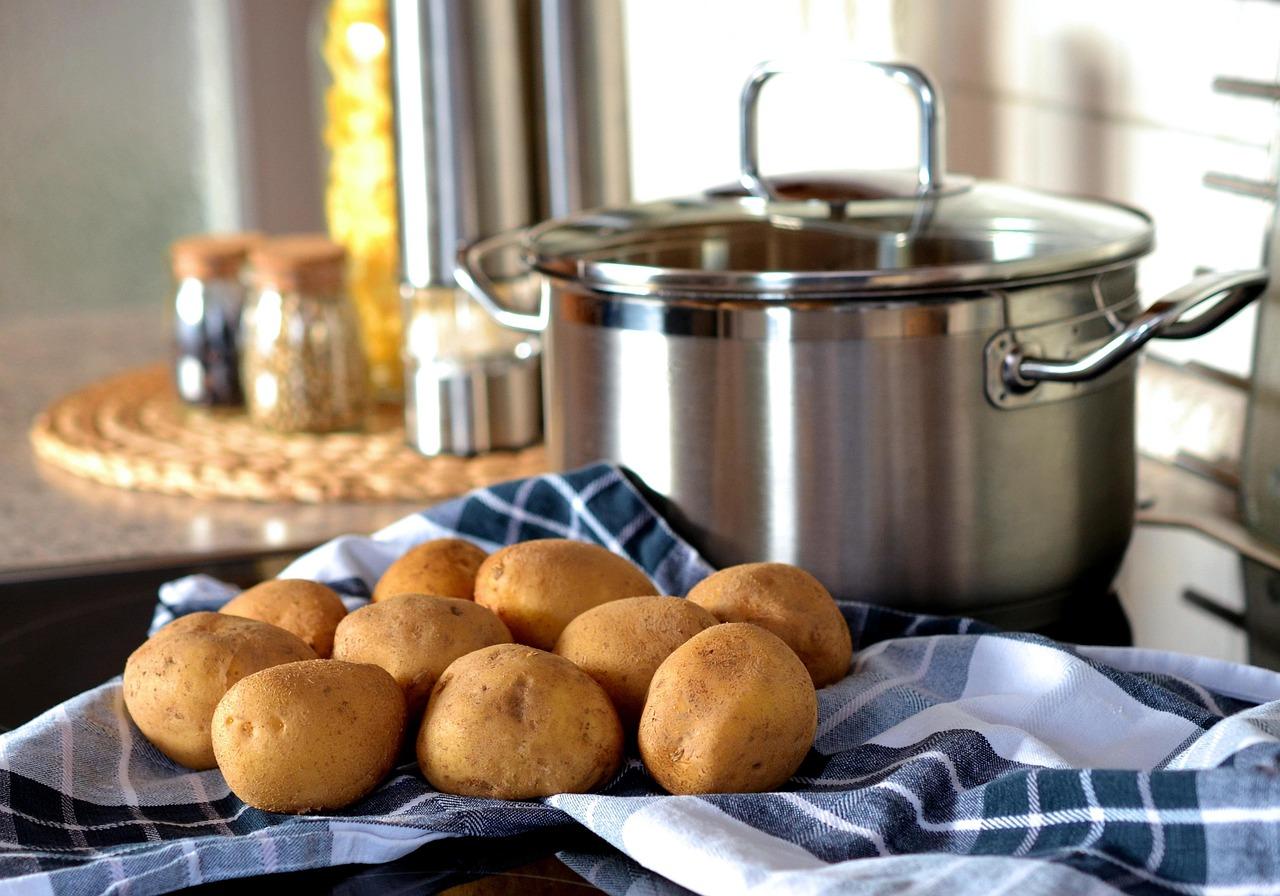
The crop was the modoc potato, an early-maturing cultivar with reddish skin and white flesh.
One constraint shaped the whole experiment: Goyer noted lunar regolith does not contain any nitrogen, so no crop would grow without supplementing it.
What grew - and what didn't
The results turned on how much vermicompost the simulant contained:
- Without vermicompost, potatoes planted in the lunar material produced almost no roots or tubers.
- With as little as 5% vermicompost, the plants grew some roots and tubers.
- At 30% vermicompost, the yield was identical to potatoes grown under the same conditions in Earth's soil.
The study also flagged a hazard: lunar regolith alone is hostile to crops because of its heavy metal content. Goyer explained the role of the compost: "Without organic matter, potatoes take up too much heavy metals, which can become toxic for the plants." Organic matter, he said, makes heavy metals less available to the plants.
The harvested potatoes were small - less than a third of an ounce (10 grams) even in Earth soil - and were not tasted; Goyer said the team used what it harvested for lab analyses. A follow-up study with larger pots, he said, obtained potatoes of a size you typically see at the store.
Why it matters for the moon race
The findings land amid a race to the lunar south pole, where Washington and Beijing have each announced plans for long-term or permanent bases. NASA hopes to have astronauts back on the moon's surface in 2028; China's target for the same feat is before 2030. The experiment envisions lunar greenhouses in the future as part of that picture.
Lunar soil farming is a broader effort than one crop. A study published in March documented chickpeas grown in lunar regolith supplemented with vermicompost, and Goyer said people are also working with tomatoes, lettuce and legumes like alfalfa.
Space agriculture could pay off closer to home. David Handy, an Oregon State space biologist and study co-author, said technologies invented for growing food on the moon could be used to produce food in regions of low agricultural output that rely on shipments, such as inner cities and desert communities. Continued research with lunar-type soil, he said, will lead to techniques that can improve soil quality and remediate contaminated soils for sustainable agriculture on Earth.


