
Pope's visit to Argentina opens with disability home after funding cuts
Pope Leo XIV begins the first papal visit to Argentina since 1987 on Sunday, when President Javier Milei receives him at the airport, with the pope's first full day on Monday 9 November at a disability home near Buenos Aires whose supplies have been cut off, according to its coordinator.
Pope's visit to Argentina opens with disability home after funding cuts
First stop: a disability home in Claypole
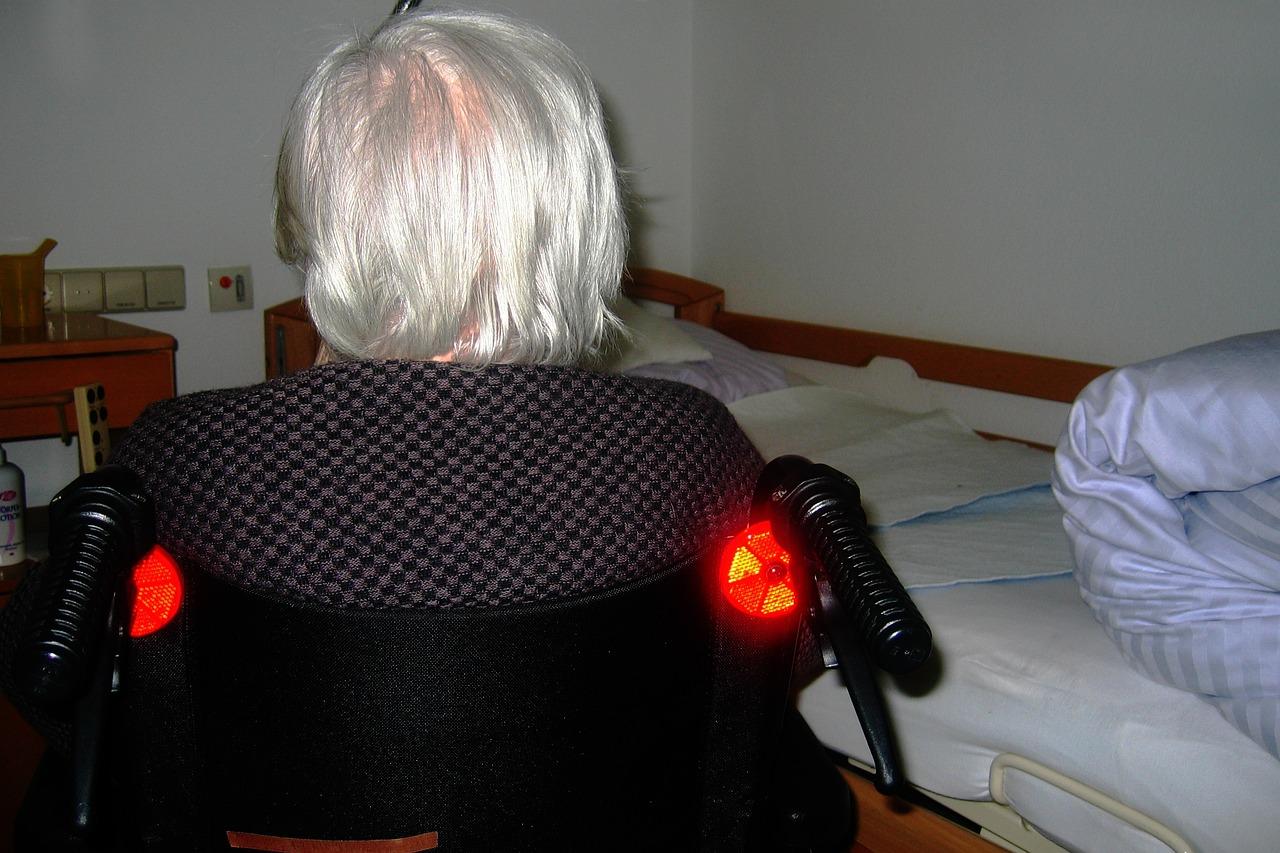
The pope's first full day in Argentina begins on Monday 9 November at the Cottolengo Don Orione, a Catholic-run home for disabled people in Claypole, roughly 26km from Buenos Aires, which counts about 400 residents with disabilities.
Fernando Montero, the facility's coordinator, said the government cut off supplies of medications, special foods and diapers, none delivered since last November, and that the matter is in court.
"Cut off the supply of medications, special foods and diapers. They haven't delivered any since last November. The matter is in court."
The dispute is not new to the Argentine hierarchy: the country's conference of bishops wrote to health minister Mario Lugones on 1 April denouncing the situation facing institutions caring for people with disabilities, and the ministry met the bishops in April and again on 5 October without resolving the impasse.
From the home, the pope travels into Buenos Aires to meet business and union leaders.
A first papal visit in nearly four decades
This pope visit to Argentina is the first since John Paul II came in 1987. Pope Francis, who was Argentine, never returned to his home country during his papacy.
The three days in Argentina are part of a longer South American trip: Leo began in Uruguay on Friday and will finish with six days in Peru.
Sunday opens with a formal reception, as Milei receives the pope at the airport. The final set piece comes on Tuesday, when the pope celebrates Mass at FAdeA, the Córdoba military aircraft factory owned by the state, where workers have demonstrated against the government's cuts.
Pope and president: opposing agendas
Montero, for one, sees the meeting as a collision of worldviews. He said the pope and Milei have completely opposing ideologies, describing the president as a hyper-capitalist who believes only those who compete the most should be rewarded.
The friction has history. In 2020, Milei called Francis an imbecile and the representative of the Evil One on Earth, accused him of promoting communism and said social justice was theft. Milei claims he apologised when he met Francis at the Vatican in February 2024.
Since taking office in December, the far-right libertarian economist has campaigned with a chainsaw as a symbol of spending cuts and slashed public spending, which the government says was needed to curb inflation.
The disagreements extend to technology. In May, Leo XIV called for "disarming" artificial intelligence, while Milei says he would not regulate AI and has presented bills for datacentres and legal status for non-human corporations. Federico Sturzenegger, the minister in charge of state cuts, says he has used AI to draft legislation.
Sociologist Milagros Miceli, who leads the Critical AI Lab in Berlin, said the "contradiction" between the pope and the president is "pretty evident".
Juan Grabois, a deputy of the left-wing Peronist camp who once sat on the Vatican's Dicastery for Promoting Integral Human Development, put it in programmatic terms: "The idea of absolute deregulation is at the heart of the president's agenda."
Esquivel, who heads Buenos Aires University's Barometer of Religions and Beliefs, argued that talk from the pope about defending domestic production, labour, disability or social justice would "naturally clash with the ideology that Milei's government has been promoting".
Not everyone expects open conflict. Córdoba priest Mariano Oberlin said the clash should play out diplomatically: "Pope Leo has been saying it without confronting, but he keeps upholding the church's social doctrine."
Sandra Pettovello, the minister overseeing social policy, played down the political dimension: "There's no way the pope is going to come here to comment on local politics."
A divided, changing Argentina
Jorge García Cuerva, the archbishop of Buenos Aires, warned last month that Leo XIV would arrive to find Argentines split among themselves, with poverty touching a great many people.
The numbers and the street back him up:
- The thinktank Mate estimates retirees on the minimum pension - 63% of the total - have lost about 30% of their purchasing power.
- At the weekly retirees' march outside Congress last Wednesday, a man held a cardboard sign reading "Save us Pope Leo XIV – Milei is killing us."
- Amnesty International wrote to the pope about Argentina, expressing "concern about government decisions that affect the exercise of fundamental rights".
On Saturday, the day before the visit, the LGBTQIA+ community will hold the 35th Pride March in Buenos Aires. María Rachid, who sits on the march's organising committee, said "The church's dogma regarding our families has not changed at any time" under either pope, though Francis's words on gay rights brought relief to many families.
The country the pope lands in is also less Catholic than the one John Paul II visited. Buenos Aires University found 57.7% of Argentines identify as Catholic and 17.4% as evangelical, versus 76.5% and 9% nearly 20 years ago. Esquivel said Catholicism remains the majority religion but has lost its cultural hegemony and its influence on the legislative agenda. Milei has courted that shift: last week he inaugurated an evangelical temple in Neuquén and gave a speech promising to seek re-election next year.
Yet enthusiasm for the visit crosses old lines. Grabois, who said Francis took notice of Leo after seeing him support the Peruvian indigenous movement, noted that people who were anticlerical a decade ago are now fervent about the papal visit: "I even see them as more fervent [about the visit] than typical churchgoers."
After the disability home, the pope goes from there into Buenos Aires to meet business and union leaders, then heads to Córdoba for Tuesday's Mass at FAdeA.


