Pompeii wardrobe discovery reveals child's necklace and perfume bottle sealed for centuries
Archaeologists have uncovered a wooden wardrobe in a home on Pompeii's Via dell'Abbondanza, sealed since Mount Vesuvius buried the city in AD79, holding a glass perfume bottle, makeup tools and a child's necklace with more than 20 charms.
Pompeii wardrobe discovery reveals child's necklace and perfume bottle sealed for centuries
What was inside the wardrobe
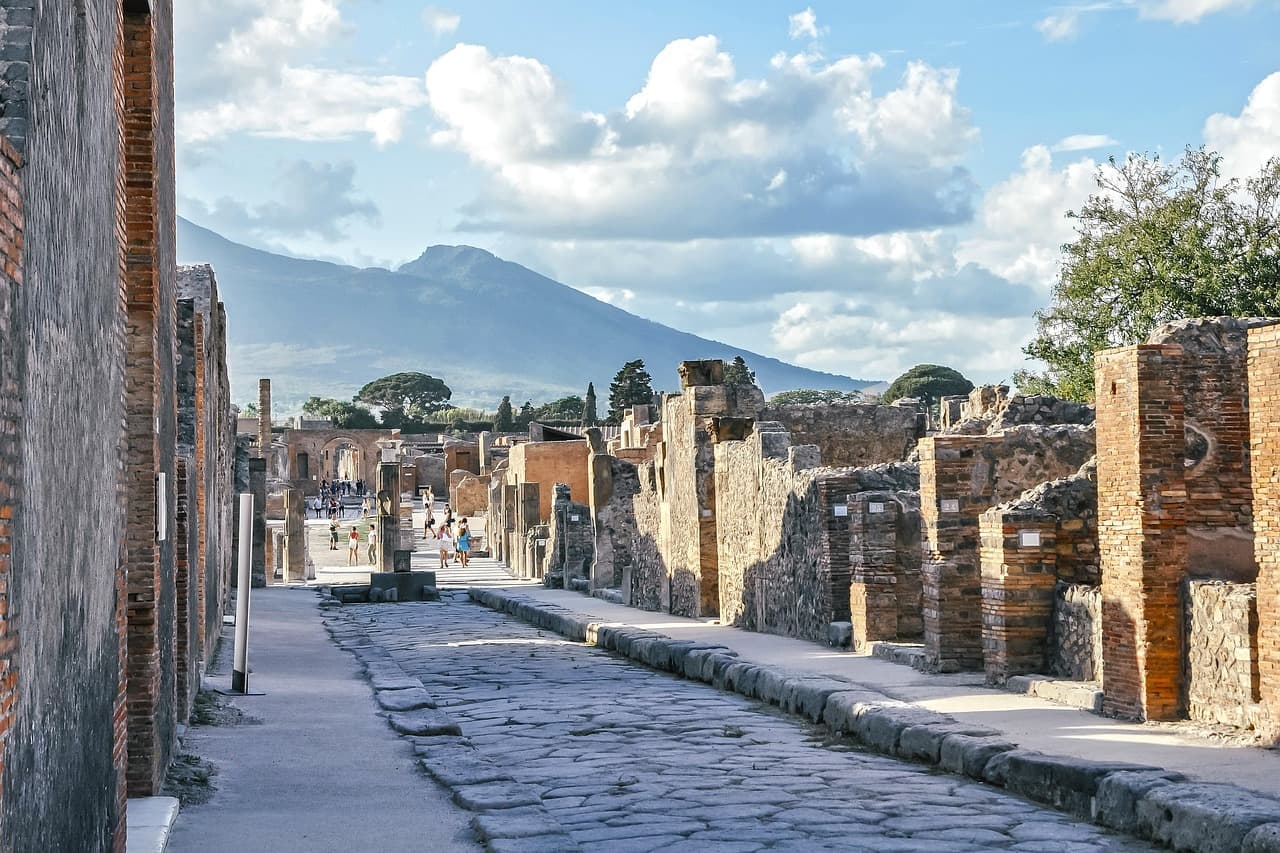
A wooden wardrobe that had remained shut for almost 2,000 years has come to light in a room of a home on Via dell'Abbondanza, one of the busiest streets of Pompeii before the eruption of Mount Vesuvius in AD79. The Pompeii wardrobe discovery included objects of daily life that had been sealed inside since the city was buried.
Among the items were:
- tweezers used for makeup
- a small glass perfume bottle
- an incense burner
- a bronze lantern
- coins
A necklace worn by children
The stand-out relic was a necklace strung with more than 20 small charms made of different materials and portraying several deities, among them the gods Bes and Mercury. The piece belongs to a type known as a crepundia, traditionally worn by children; the charms rattled as they moved, letting parents keep track of youngsters and potentially helping to identify them.
Gabriel Zuchtriegel, director of the Pompeii archaeological park, said the piece carried meaning beyond ornament.
A crepundia had a very special function
He described it as a reminder of parents who may have lived far away, reflecting a society of often displaced people: many moved around the Mediterranean and carried personal objects with them.
Clues from the home
Also stored in the piece of furniture were 38 coins in bronze, pots for cooking and a wooden box holding lead weights - a combination that points to a tradesperson living in the house. According to Zuchtriegel, that money and these personal objects were abandoned rather than taken may mean the occupants had to flee the eruption at short notice.
Other finds add detail to daily life in the house. In a storage area, archaeologists found the fragmented skeletons of two mice inside an amphora. Inscriptions that can no longer be seen had earlier connected the property with a person called Cornelius Maximus.
A wider dig at Pompeii
Although the building's facade saw its first excavation in 1912, specialists have only begun work inside some of its rooms under a broader restoration programme, and digging there is still going on.
At the Villa of the Mysteries, in a suburb of Pompeii, digs are also under way. The site, brought to light in the early 20th century, has never been fully explored, and the aim is to complete that work. Zuchtriegel said the digs there concentrate on the servants' quarters rather than the owners' quarters, where great frescoes would be expected, in the hope of learning about the daily life and economy of those in history's shadow, since most of its inhabitants were servants.
Other recent finds made during the programme include a large and sophisticated thermal bath complex, believed to have served its owner to impress wealthy guests, uncovered in 2025 in a home on Via di Nola in Regio IX, a wealthy district. Two years earlier, in 2023, a home was found in the same region with a cramped bakery where enslaved people were believed to have been imprisoned and made to produce bread.