PNG El Niño drought hits 8 million people as rivers and food gardens fail
A historic El Niño-driven drought in Papua New Guinea is affecting as many as 8 million people, leaving communities without water, food and reliable electricity. A coalition of churches, unions and business groups has called the situation a national crisis.
PNG El Niño drought hits 8 million people as rivers and food gardens fail
Extreme drought from a historic El Niño is affecting as many as 8 million people across Papua New Guinea, with shortages reaching from food and water to electricity and schooling. The PNG El Niño drought has prompted a coalition of churches, trade unions and business groups to call the situation a national crisis, saying there is no coordinated plan to protect vulnerable communities.
Rivers dry and schools close
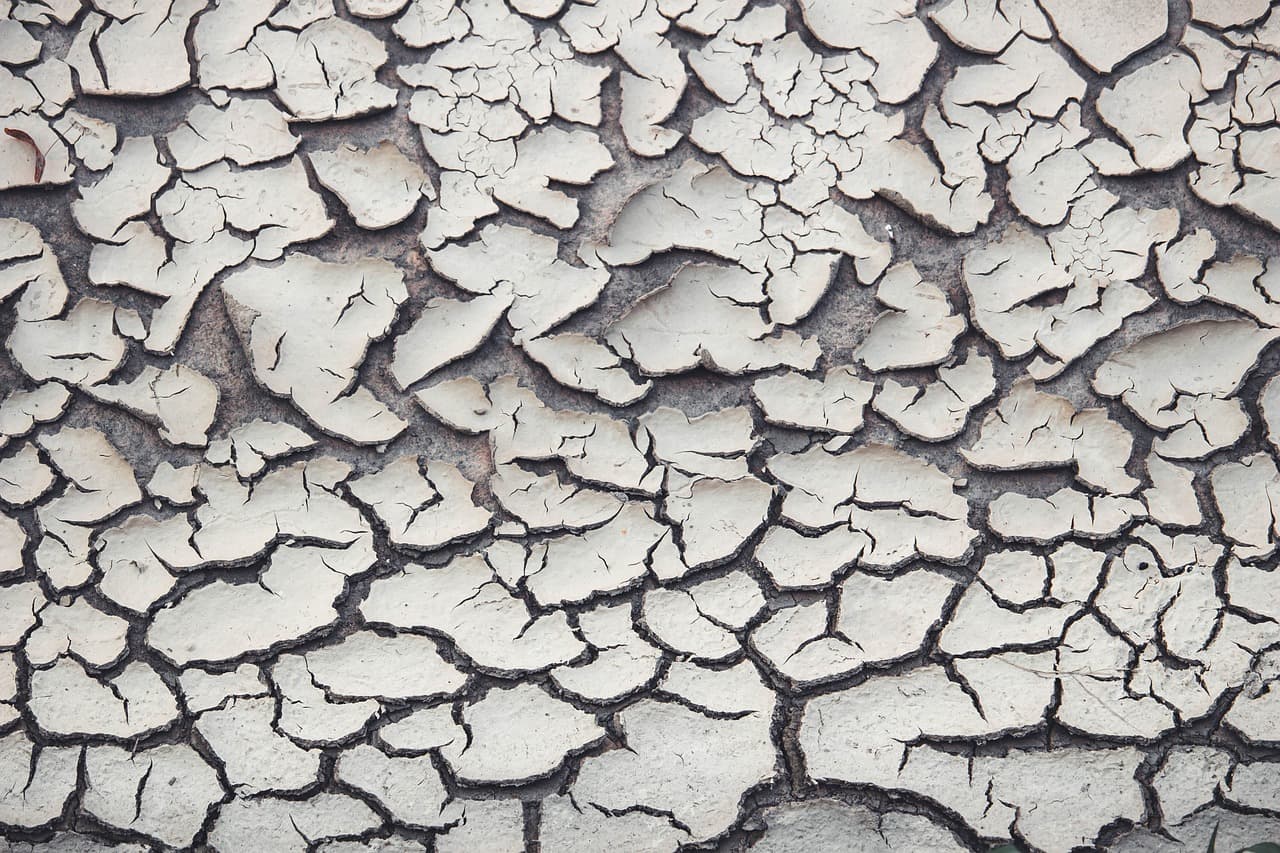
Residents and community leaders report that rivers and creeks have dried up and family food gardens have shrivelled. In Morobe province's Bulolo district, smaller rivers have disappeared, leaving families with no water for drinking, cooking or washing.
Schools and health facilities are being forced to close early because they lack sufficient water for basic services. Resident Theophil Zarack said many schools and health centres operate for only half a day, and some clinics no longer accept inpatients because of the water shortage.
For families in Leklu village, the daily search for water has become a walk of miles. Martha Zureno said every local river, including one behind her house, has dried up, and she and her children set out each afternoon to fetch water. She said all the crops in the gardens have dried up and died, and nothing can be grown now. Residents who pan gold for income are finding that increasingly difficult without water.
- Some parts of PNG have received less than a quarter of their usual rainfall since August
- Schools and clinics are closing early or running half days
- Gold panning, a local income source, is increasingly difficult without water
Families ration food to one meal a day
Food insecurity in the rural highlands has grown so severe that, according to Emilly Meren, humanitarian projects manager at CARE International in PNG, "families were rationing food to one meal a day". She added that the shortage is causing localised disputes between families.
"families were rationing food to one meal a day"
Meren said women and girls do more to support their families yet are the last to eat because they have to serve others first. She added that women travel three to four hours to source water and food, are exposed to a heightened risk of harassment, and that there are reports of transactional sex in communities.
Why the rains have shifted
The PNG National Weather Service declared the onset of El Niño in June, when much of the country was already in drought. Forecasts suggest this El Niño will be the strongest ever recorded, with its impacts worsened by global heating.
Kasis Inape, assistant director of the weather service, explained that the warm tropical waters which feed PNG's rain have shifted east "and we're starved of rain". He noted that most of PNG's people are subsistence farmers who depend on rainfall to survive and feed themselves.
The wet season normally runs from November to April, and there are concerns El Niño will shorten it. Inape said just two months of rain is not enough to allow crops to grow or for water levels to recover.
Blackouts, smoke haze and government response
In the capital, PNG Power has begun planned electricity blackouts after falling dam levels cut hydropower generation, and the utility warns disruptions could continue for up to 10 months. PNG Power says it is working to manage dam releases to protect the city's water supply.
The drought's reach is not even. A hailstorm earlier this month in parts of Enga province - not blamed directly on El Niño - buried sweet potatoes under ice and worsened food scarcity, according to George Iki, president of the Sambe Unity Development Association.
Peter Aitsi, co-chair of the Community Coalition Against Corruption, said the government needs to carry out "proper assessments" of the unfurling impacts, particularly on rural communities. He said urban centres have been mostly shielded from the impacts, but that could change with blackouts and shortages of fresh food from drought-stricken areas. The capital, he said, has been covered in smoke haze this past week from fires elsewhere on the island and in Indonesia to the west, which scientists say El Niño has fuelled.
Prime minister James Marape has directed provincial and district authorities to prepare for a prolonged dry season, and said the government is examining financial arrangements for disaster responses. He said cabinet is looking at tailoring provisions of the country's financial instructions so districts and provinces are assisted to respond to disasters as they happen.