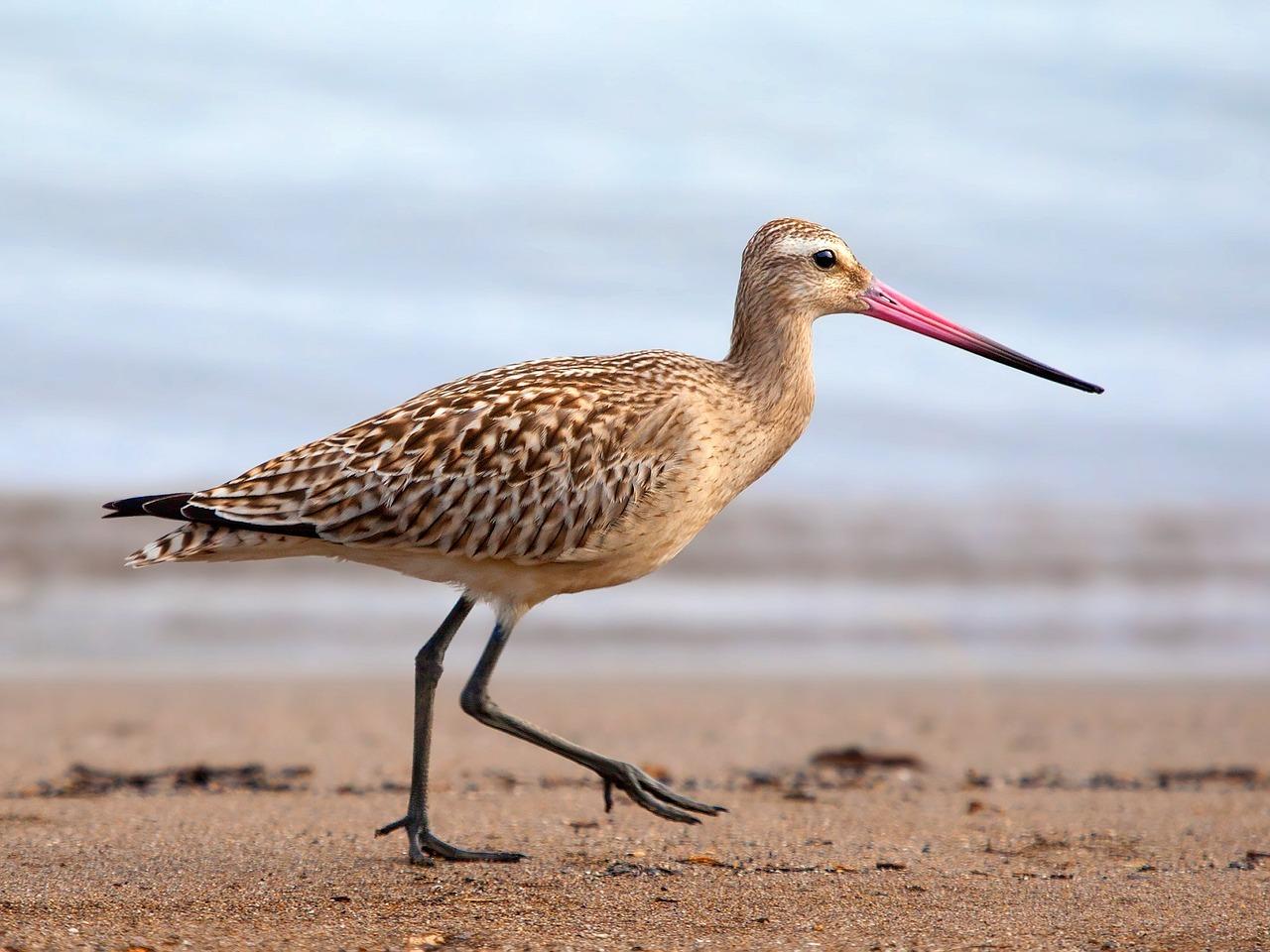
Phil the bar-tailed godwit completes 6,800-mile Norfolk to Siberia round trip
WORLD · ENVIRONMENT

Phil the bar-tailed godwit completes 6,800-mile Norfolk to Siberia round trip

Phil the bar-tailed godwit, fitted with a 6g tracker on the Wash in January, has finished a 6,800-mile round trip to Siberia and back - the first time one bird's journey has been mapped in full.

By LiveDigestPublished Thursday, November 19, 2026 · 05:18 GMT | 2 min read

Phil the bar-tailed godwit completes 6,800-mile Norfolk to Siberia round trip

01 / ENVIRONMENT

A 6-gram tracker on a long-haul flyer

The mapping was made possible by a tracker weighing just 6g, fitted to Phil in January by the Wash Wader Research Group. The bird carries the name of Phil Ireland, who led the group for many years. RSPB scientists ran the tracking work.

  • Tracker weight: 6g
  • Fitted: January, on the Wash
  • Named after: Phil Ireland, long-time group leader
02 / ENVIRONMENT

North via the Wadden Sea to Taymyr

In March, Phil moved from the Wash to the Wadden Sea coasts of the Netherlands, Denmark and Germany. From there the bird pushed on to the Taymyr peninsula in central Siberia, arriving in late May.

03 / ENVIRONMENT

The journey home over the Arctic

The return leg took Phil over the Arctic Ocean off northern Norway, with stopovers on three small Norwegian islands, before the Wadden Sea.

Bar-tailed godwits breeding in Britain spend their summers in the Arctic Circle and winter on the country's unfrozen wetlands. The species is known for making the longest recorded non-stop migratory flight of any bird. British godwits travel the east Atlantic flyway, a route from the Arctic to South Africa used by millions of birds each year.

04 / ENVIRONMENT

Back on the Wash

Phil has now been recorded safely back at RSPB Snettisham on the edge of the Wash. Jeff Kew, a coastal adviser for the RSPB, said it was amazing that a bird tagged on the Wash in January had travelled thousands of miles to Siberia, and that tracking Phil shows protecting migratory birds requires a global effort, as species depend on a network of wetlands.

"The Wash is the UK's single most important coastal wetland for migratory waders"

So said Dr Nigel Clark of the Wash Wader Research Group, who added that the tracking shows how connected the Wash is with the rest of the flyway. At RSPB Snettisham, thousands of birds gather at the highest tides in one of the great wildlife spectacles of a British winter.


Phil the bar-tailed godwit completes 6,800-mile Norfolk to Siberia round trip
WORLD · ENVIRONMENT

Phil the bar-tailed godwit completes 6,800-mile Norfolk to Siberia round trip

Phil the bar-tailed godwit, fitted with a 6g tracker on the Wash in January, has finished a 6,800-mile round trip to Siberia and back - the first time one bird's journey has been mapped in full.

By LiveDigestPublished Thursday, November 19, 2026 · 05:18 GMT | 2 min read

Phil the bar-tailed godwit completes 6,800-mile Norfolk to Siberia round trip

01 / ENVIRONMENT

A 6-gram tracker on a long-haul flyer

The mapping was made possible by a tracker weighing just 6g, fitted to Phil in January by the Wash Wader Research Group. The bird carries the name of Phil Ireland, who led the group for many years. RSPB scientists ran the tracking work.

  • Tracker weight: 6g
  • Fitted: January, on the Wash
  • Named after: Phil Ireland, long-time group leader
02 / ENVIRONMENT

North via the Wadden Sea to Taymyr

In March, Phil moved from the Wash to the Wadden Sea coasts of the Netherlands, Denmark and Germany. From there the bird pushed on to the Taymyr peninsula in central Siberia, arriving in late May.

03 / ENVIRONMENT

The journey home over the Arctic

The return leg took Phil over the Arctic Ocean off northern Norway, with stopovers on three small Norwegian islands, before the Wadden Sea.

Bar-tailed godwits breeding in Britain spend their summers in the Arctic Circle and winter on the country's unfrozen wetlands. The species is known for making the longest recorded non-stop migratory flight of any bird. British godwits travel the east Atlantic flyway, a route from the Arctic to South Africa used by millions of birds each year.

04 / ENVIRONMENT

Back on the Wash

Phil has now been recorded safely back at RSPB Snettisham on the edge of the Wash. Jeff Kew, a coastal adviser for the RSPB, said it was amazing that a bird tagged on the Wash in January had travelled thousands of miles to Siberia, and that tracking Phil shows protecting migratory birds requires a global effort, as species depend on a network of wetlands.

So said Dr Nigel Clark of the Wash Wader Research Group, who added that the tracking shows how connected the Wash is with the rest of the flyway. At RSPB Snettisham, thousands of birds gather at the highest tides in one of the great wildlife spectacles of a British winter.

"The Wash is the UK's single most important coastal wetland for migratory waders"
Phil the bar-tailed godwit completes 6,800-mile Norfolk to Siberia round trip
WORLD · ENVIRONMENT

Phil the bar-tailed godwit completes 6,800-mile Norfolk to Siberia round trip

By LiveDigest

Phil the bar-tailed godwit completes 6,800-mile Norfolk to Siberia round trip

01 / ENVIRONMENT

A 6-gram tracker on a long-haul flyer

The mapping was made possible by a tracker weighing just 6g, fitted to Phil in January by the Wash Wader Research Group. The bird carries the name of Phil Ireland, who led the group for many years. RSPB scientists ran the tracking work.

  • Tracker weight: 6g
  • Fitted: January, on the Wash
  • Named after: Phil Ireland, long-time group leader
02 / ENVIRONMENT

North via the Wadden Sea to Taymyr

In March, Phil moved from the Wash to the Wadden Sea coasts of the Netherlands, Denmark and Germany. From there the bird pushed on to the Taymyr peninsula in central Siberia, arriving in late May.

03 / ENVIRONMENT

The journey home over the Arctic

The return leg took Phil over the Arctic Ocean off northern Norway, with stopovers on three small Norwegian islands, before the Wadden Sea.

Bar-tailed godwits breeding in Britain spend their summers in the Arctic Circle and winter on the country's unfrozen wetlands. The species is known for making the longest recorded non-stop migratory flight of any bird. British godwits travel the east Atlantic flyway, a route from the Arctic to South Africa used by millions of birds each year.

04 / ENVIRONMENT

Back on the Wash

Phil has now been recorded safely back at RSPB Snettisham on the edge of the Wash. Jeff Kew, a coastal adviser for the RSPB, said it was amazing that a bird tagged on the Wash in January had travelled thousands of miles to Siberia, and that tracking Phil shows protecting migratory birds requires a global effort, as species depend on a network of wetlands.

So said Dr Nigel Clark of the Wash Wader Research Group, who added that the tracking shows how connected the Wash is with the rest of the flyway. At RSPB Snettisham, thousands of birds gather at the highest tides in one of the great wildlife spectacles of a British winter.

"The Wash is the UK's single most important coastal wetland for migratory waders"